
Red Sea Liveaboards: Immersion at Brothers, Daedalus and Elphinstone
Quick Summary: A week aboard a Red Sea liveaboard carries you beyond day-boat limits to BDE icons—Brothers, Daedalus, Elphinstone—for 3–4 dives daily, pelagics on blue-water walls, and effortless logistics handled by expert crews.
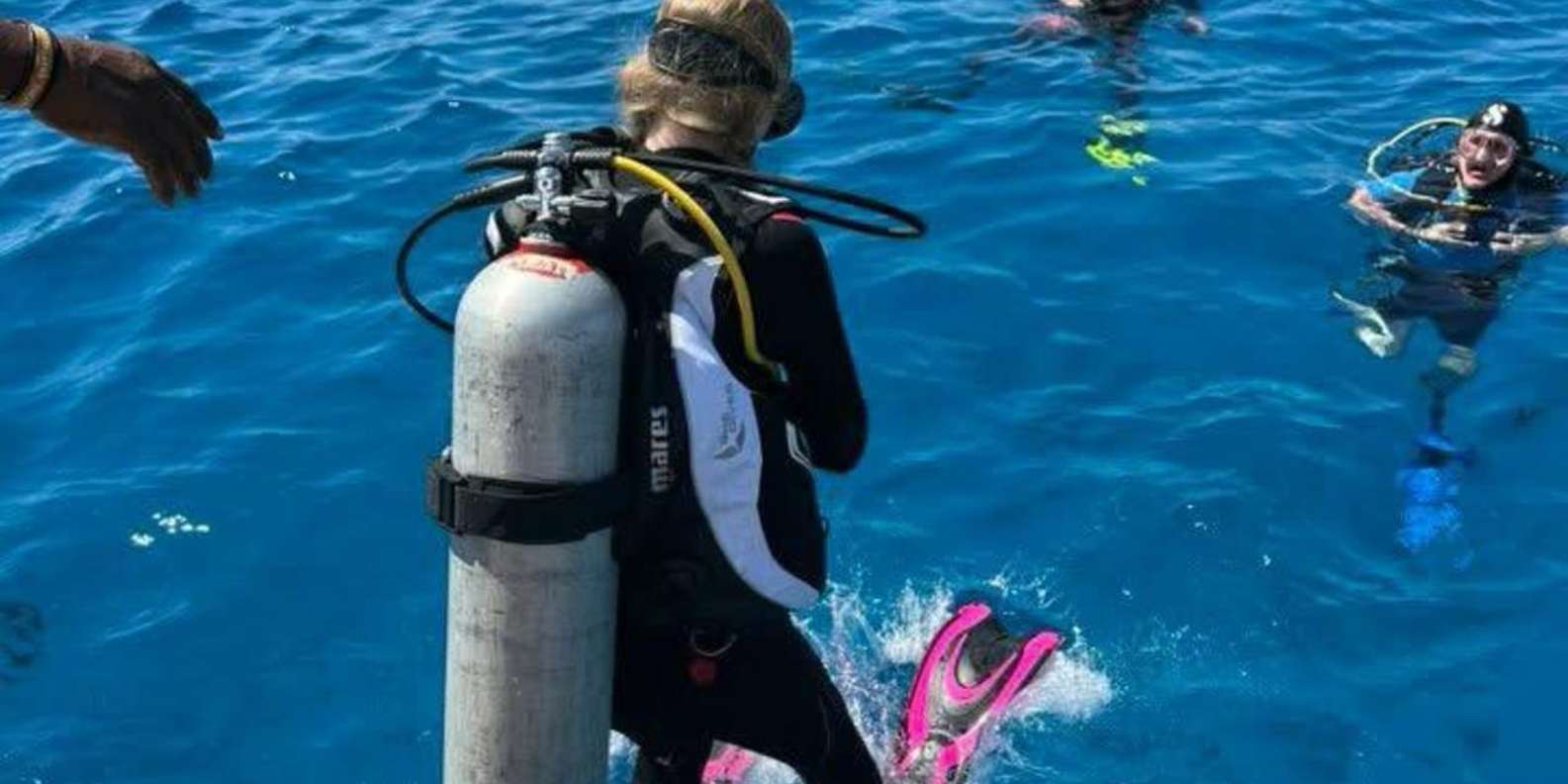
Dawn breaks soft and apricot as the horn sounds your wake-up call; by the time you sip coffee, a Zodiac is idling. Then it’s splash—blue water, vertical walls, and early pelagics on patrol. Liveaboards departing from Hurghada and Marsa Alam turn the Red Sea into a movable basecamp, carrying you well past day-boat range to Brothers, Daedalus, and Elphinstone—where the big-reef magic happens.
What Makes This Experience Unique
Liveaboards unlock offshore seamounts and oceanic walls that day boats rarely reach, stacking 18–20 dives into a week with rolling brief-dive-eat-sleep rhythms. Expect 20–40 m visibility, dawn drift dives, and night dives on sheltered sites. The boat becomes a compact village: gear benches, nitrox, camera stations, a galley that never sleeps, and crew who know each drop-off by heart.
Where to Do It
The classic BDE triangle—Brothers, Daedalus, Elphinstone—sits offshore between El Quseir and Marsa Alam. Many trips embark in Hurghada for overnight steam south, or from Port Ghalib for shorter transits. Elphinstone lies about 12 km offshore; Daedalus is fully oceanic, with a lighthouse; Brothers are twin pinnacles famed for walls, wrecks, and pelagic life.
Best Time / Conditions
You can dive year-round. Expect 22–24°C water in winter and 27–30°C in summer; currents range from mild to brisk with occasional down-currents on exposed corners. Spring brings schooling action and soft corals in full bloom; autumn is prime for oceanic whitetips. For site nuances and seasonal tips, see our Marsa Alam diving guide.

What to Expect
Itineraries knit 3–4 dives daily: negative entries, blue-water drifts, zodiac pickups, and relaxed reef meanders when conditions favor. Runs between sites often happen overnight, 6–10 hours under the stars. Depths are by plan; many signatures sit 20–40 m, but the walls plunge far deeper—your guide will keep profiles within training and conditions.
Who This Is For
Choose this if you’re comfortable in current, love blue-water hangs, and want maximum time underwater with minimal faff. Advanced Open Water and 30–50 logged dives are a sensible baseline, with SMB skills essential. Bringing non-divers or younger kids? Consider shore-based weeks and easy snorkel days; start with our Hurghada snorkeling guide.

Booking & Logistics
Most boats include nitrox, 12 L DIN/INT tanks, weights, meals, and park permits; 15 L tanks, rental kit, and Wi‑Fi are add-ons. Transfers from airport to marina are standard; cabins range from bunks to suites. Pre- or post-trip, balance the salt with a Hurghada city tour, or add a mellow day at the Hamata & Qulaan Islands.
Sustainable Practices
Expect mooring use over anchoring and strict no-touch, no-feed codes. Pack reef‑safe sunscreen, a snug SMB, spool, and spare straps to avoid gear loss. Rinse lights carefully and manage batteries in designated charging areas. Keep hands off walls—no reef hooks—and streamline your kit to reduce drag near delicate soft corals and gorgonians.
FAQs
Liveaboards feel intense at first—new boat, early wake-ups, and back-to-back dives—yet the routine quickly becomes soothing: brief, dive, debrief, eat, nap, repeat. Below are answers to common questions divers weigh before booking BDE routes, from experience thresholds to gear choices and shark etiquette on open-ocean drop-offs.
How experienced should I be for BDE?
Advanced Open Water (or equivalent), nitrox certification, and at least 30–50 logged dives are recommended. You’ll handle negative entries, blue-water safety stops, and surface pickups in chop. Comfort with SMB deployment is non‑negotiable. If you’re new to current, warm up on coastal drifts before committing to exposed pinnacles and oceanic walls.
What gear is provided—and what should I bring?
Boats typically supply 12 L DIN/INT tanks, weights, and nitrox; 15 L steel, rental regs, and computers are extra. Bring a 5 mm suit in winter, 3 mm in summer, booties, SMB with 20–30 m spool, torch for night dives, backup mask, and reef‑safe sunscreen. Camera tables and charging stations are common—label batteries and follow safety protocols.
Are oceanic whitetip shark encounters safe?
They’re thrilling but require discipline: maintain space, keep hands close, avoid dangling gear, and never surface with vigorous splashing near sharks. Follow briefings, stay vertical and aware, and exit calmly as directed. Feeding is prohibited; encounters are passive and respectful, often best on clean blue drifts with tight buddy awareness.
Out here, the Red Sea slows time: a lighthouse beam, the hiss of a compressor, and soft corals leaning to the current. Whether you embark from Hurghada or stage south via Marsa Alam, BDE liveaboards make the remote feel intimate—then invite you ashore for easy culture or a salt-soft reset.


