
Dive the Red Sea with Purpose: Reefs, Encounters, and Easy Ways to Give Back
Quick Summary: Kaleidoscopic reefs, playful dolphins, and dugong meadows meet simple traveler actions—smart operator choices, gentle buoyancy, and citizen science—to keep Egypt’s Red Sea flourishing from Ras Mohammed to Marsa Alam.
At sunrise the Red Sea looks painted—ink-blue channels veined with turquoise reefs, a skiff of wind riffled by gulls. Slip beneath and the color dial turns up: forests of acropora, swirls of anthias, the silver blink of a trevally patrol. Here, awe isn’t passive; it’s an invitation to protect what you just met.
What Makes This Experience Unique
The Red Sea combines near-tropical visibility with dramatic walls, shallow coral gardens, and wildlife encounters that begin meters from shore. Expect 20–30 m visibility, warm water, and biodiversity shaped by isolation and currents. This proximity makes conservation tangible: the same boat that brings you also funds moorings, guides, and reef monitoring when you choose wisely.

Where to Do It
Base yourself in Sharm El Sheikh for quick access to Ras Mohammed’s famed drop-offs—start with this Ras Mohammed reef travel guide. For seagrass meadows, turtles, and dugong hope, choose Marsa Alam. Families can mix calm bays with a guided half-day to Ras Mohammed by bus; advanced divers target Elphinstone’s pelagic edges via day boats.
Best Time / Conditions
For mellow seas and gentler winds, plan spring and autumn shoulder seasons with typically 20–30 m visibility. Winter brings cooler water of about 22–24°C, while summer rises to 28–29°C—great for long snorkels but hydrate and sun-manage. Early departures beat chop and crowding; lee-side reefs offer calmer entries when the northerlies pick up.
What to Expect
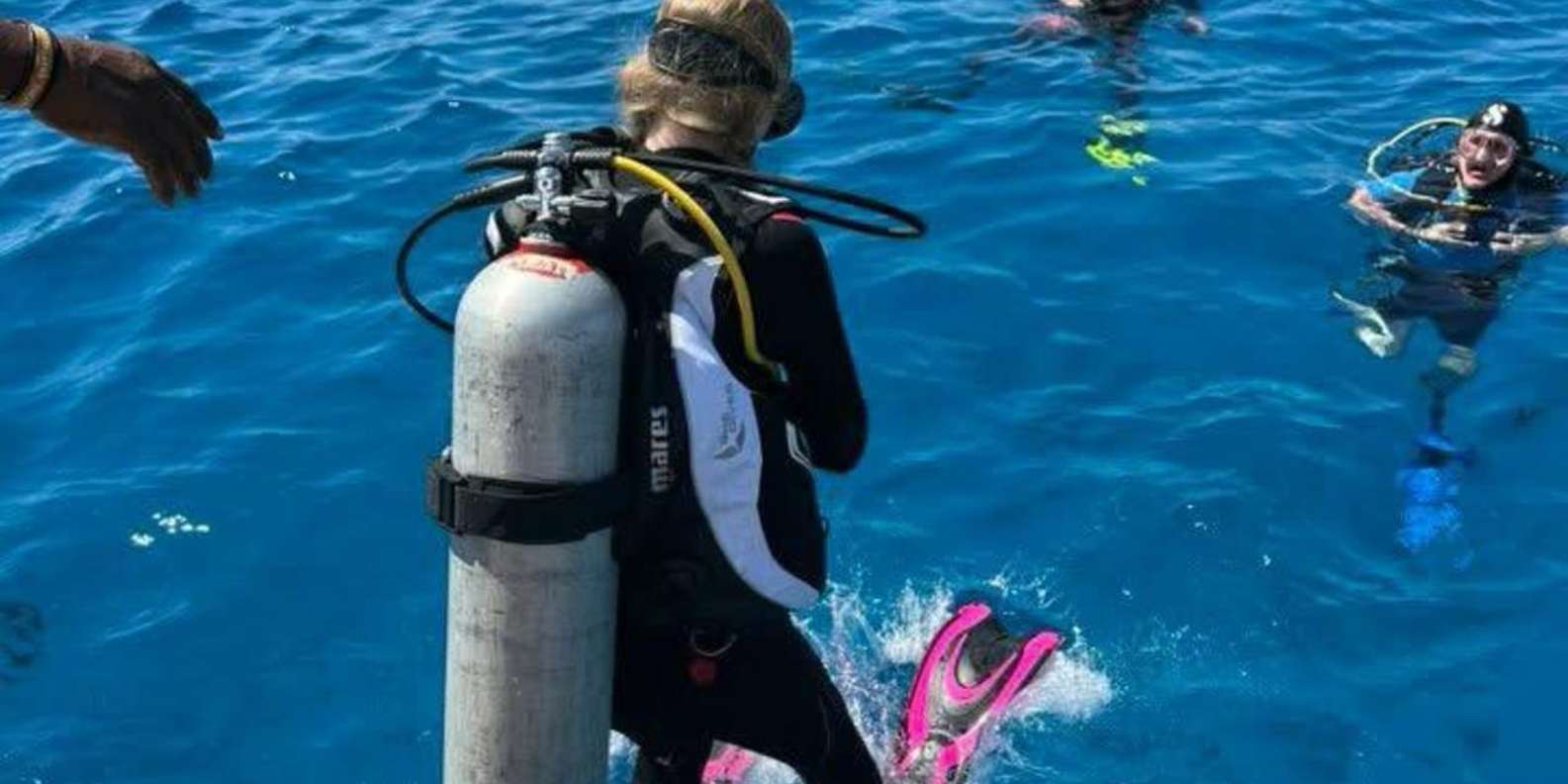
Reef dives often run 12–30 m, with Ras Mohammed’s walls draped in soft coral and schooling snappers. In the south, seagrass bays host grazing turtles and, occasionally, dugongs in 3–10 m. Pods of spinner dolphins may bow-ride between sites. Expect marine park fees and briefings; preview southern options with this Marsa Alam diving guide.
Who This Is For
Snorkelers gain effortless access to coral gardens from sheltered beaches, while new divers find forgiving training sites and sandy patches for skills. Drift-loving intermediates enjoy current-swept walls; photographers chase macro among bommies and glassfish. Families thrive on calm bays and short boat times; tech and pelagic hunters step up to deeper saddles under pro supervision.

Booking & Logistics
Choose operators that use moorings, brief buoyancy, and cap group sizes. From Sharm, Ras Mohammed by boat takes roughly 45–60 minutes, with lunch and tanks aboard. First-timers love this full-day Ras Mohammed & White Island boat trip; southbound travelers can split stays to cut transfer hours. Bring a rash guard, reef-safe sunscreen, and certification cards.
Sustainable Practices
Hover—don’t stand—on coral, keep fins high, and resist “just one touch.” Use mineral, reef-safe sunscreen and sun shirts to reduce lotion load. Never chase dolphins or dugongs; observe from the edges and limit time. Support boats that deploy moorings, not anchors, and join fish counts or reef checks to turn sightings into useful data.
FAQs
Whether you’re snorkel-curious or prepping your next multi-day dive plan, these quick answers focus on safety, logistics, and meaningful impact. They’ll help you balance dream shots with reef etiquette, choose operators that give back, and time outings for clearer water, lighter winds, and wildlife encounters that remain respectful and unhurried.
Do I need to be a certified diver to support conservation?
No. Snorkelers and beginners contribute by choosing mooring-using boats, wearing reef-safe sunscreen, and logging simple sightings with guides. Many centers offer buoyancy tune-ups or Discover programs in sandy bays, letting you practice hovering above coral. Your fees also help fund park permits, moorings, and periodic reef monitoring when operators prioritize stewardship.
How can I see dugongs responsibly near Marsa Alam?
Pick certified guides who brief time-and-distance rules, approach quietly from the side, and keep groups small. Stay at the meadow’s perimeter, keep fins off the grass, and let the animal set the encounter length. Mornings with minimal boat traffic are best; if the dugong surfaces away, don’t follow—simply let it feed undisturbed.
What should I pack for Red Sea snorkeling and diving?
Pack a long-sleeve rash guard, mineral sunscreen, and a soft mask box. Add a 3–5 mm wetsuit if you chill easily in winter, lightweight booties for beach entries, and a compact SMB and whistle for drifts. A mesh bag tidies gear on day boats; reusable bottles and cups keep single-use plastics off decks.
Above all, let wonder guide your choices: pick mindful operators, float gently, and swap a single perfect selfie for five quiet minutes watching a parrotfish graze. From Ras Mohammed’s walls to Marsa Alam’s meadows, every calm fin kick keeps Egypt’s underwater world that little bit brighter for the next traveler.


