
Red Sea Underwater Cave Diving: Sunlit Labyrinths from Dahab to Fury Shoals
Quick Summary: Dive the Red Sea’s overhead environments—Dahab’s iconic Blue Hole and Marsa Alam’s Sha’ab Claudia—where cathedral light, ancient limestone, and elusive marine life meet. Expect warm 23–29°C water, 20–40 m visibility, careful gas planning, and strict conservation, with options for cavern-certified divers and photographers alike.
What Makes This Experience Unique
The Red Sea’s overhead environments are less about claustrophobia and more about chiaroscuro: shafts of sunlight, creamy limestone, and still water that routinely offers 20–40 m visibility. Dahab’s Blue Hole plunges well beyond 100 m, while Fury Shoals’ caverns keep things photogenic and shallow. It’s technical artistry—gas, light, line—balanced with delicate buoyancy and reef stewardship.

Where to Do It
Egypt’s best-known overhead sites cluster in two very different regions: the Gulf of Aqaba around Dahab, and the southern Red Sea around Marsa Alam’s offshore reef systems. Dahab is shore-dive friendly and logistics are simple, while the Fury Shoals area is usually accessed by day boats and, for some itineraries, liveaboards staging from Marsa Alam, Safaga, or Hurghada.
Dahab (Gulf of Aqaba): The Blue Hole is the headline, but the broader area has dramatic walls and swim-through topography that can be paired with training dives. Conditions can change quickly with wind and current along the outer reef, so local site knowledge matters—especially when planning deeper profiles or navigation near drop-offs.
Marsa Alam / Fury Shoals: Sha’ab (Shaab) Claudia is the classic “light-beam cavern” site, with broad chambers and skylights that make it popular for photographers and for divers staying in the daylight zone. Nearby reef systems in the Fury Shoals region also feature arches, tunnels, and large coral amphitheaters that feel cave-like without demanding complex penetrations.
Best Time / Conditions
Expect 23–29°C water most of the year, typically warmer and calmer from April to November. Winter brings cooler thermals but stellar visibility. Mornings yield the most defined light beams in caverns like Claudia. Moderate currents can sweep Blue Hole’s outer wall; surface conditions south of Marsa Alam are typically gentle but vary with wind.
What to Expect
Briefings emphasize gas planning, light protocols, and silt avoidance. Cavern-certified divers explore daylight‑zone swim‑throughs; cave‑certified teams may extend penetrations with primary and safety reels. Encounters range from glassfish clouds to wary groupers and, occasionally, turtles. Photographers favor bright domes, color‑true strobes, and careful finning to keep beams and backscatter clean.
Who This Is For
Confident divers with solid trim and buoyancy who crave overhead environments—without marathon penetrations. Cavern credentials unlock signature sites; full cave training expands possibilities. Non‑diving partners can snorkel reefs or join gentler trips like Marsa Alam’s Coral Gardens while you dive, making mixed‑ability itineraries easy.
Booking & Logistics
Most Red Sea “cave diving” sold to recreational travelers is actually cavern or overhead diving in the daylight zone: large chambers, swim-throughs, and tunnels where you can see a clear exit and maintain situational awareness. When you book, confirm whether the day is planned as a cavern tour, a technical penetration (for trained cave divers), or a mixed itinerary with wall/reef dives alongside overhead segments.
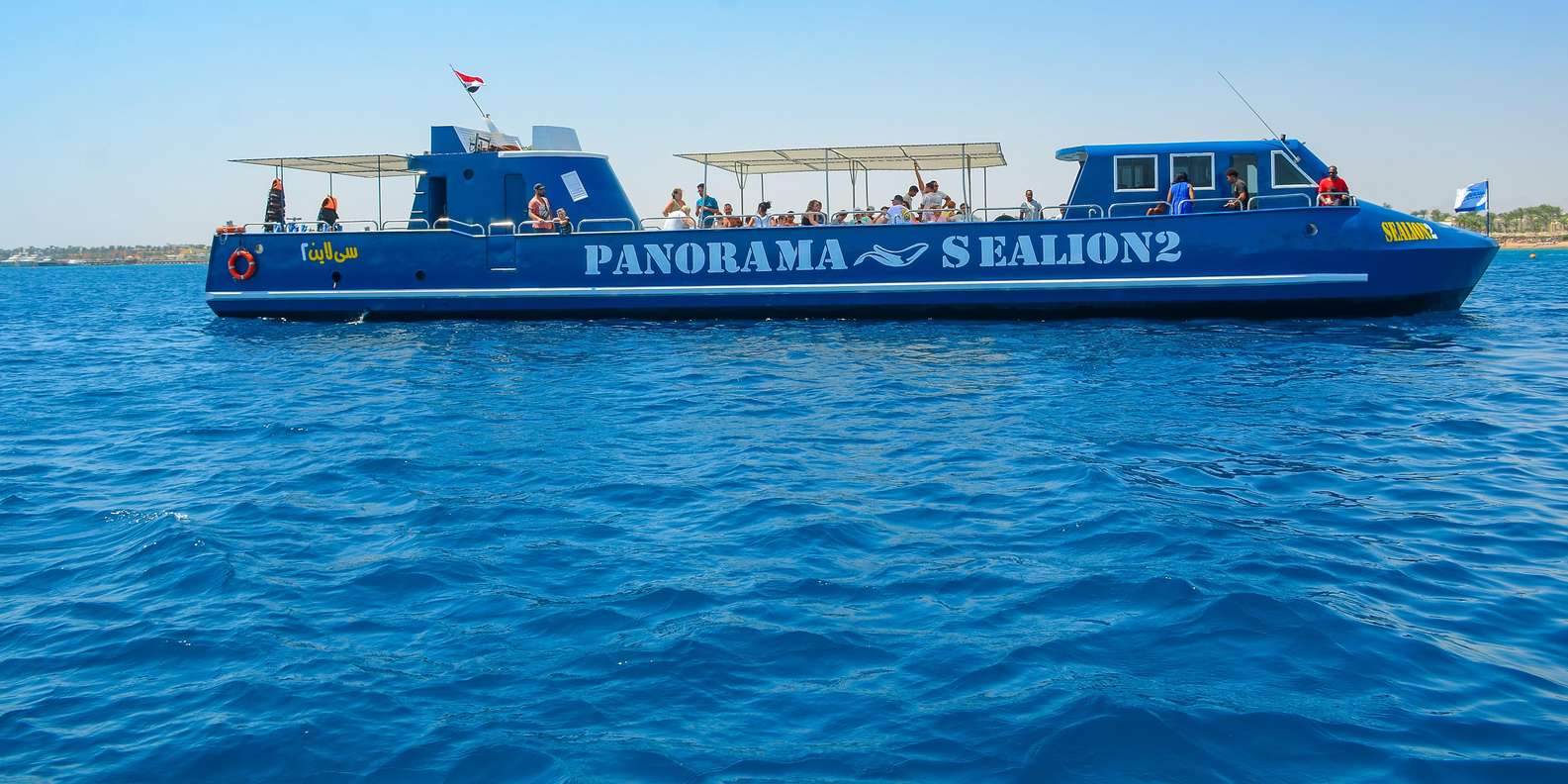
How trips typically run: Dahab is often shore-based, with short transfers to the entry point and flexible start times that help you catch the best sun angle. In the Marsa Alam–Fury Shoals area, expect a boat day with one to three dives depending on distance and conditions; some routes involve longer transits to offshore reefs, so an early morning departure is common.
Training and equipment expectations: Operators generally ask for proof of certification appropriate to the plan (at minimum, strong buoyancy skills; for overhead routes, cavern/cave credentials if required). Bring (or request) a primary dive light even for “bright” caverns, plus a backup if you’re doing any true overhead segment. Redundancy (two independent gas sources), reels/lines, and team protocols are standard for cave-trained teams; if an itinerary suggests penetration without them, treat that as a red flag.
Practical packing tips: A 3–5 mm wetsuit usually suits the Red Sea’s 23–29°C range, but add a hooded vest for repetitive dives or cooler winter water. Pack defog, a mask you trust, and fin straps you’ve tested—overheads magnify small equipment annoyances. If you’re traveling through Hurghada, El Gouna, Makadi Bay, Sahl Hasheesh, Soma Bay, or Safaga and day-tripping south, plan buffer time: road transfers and sea state can shift schedules.
Sustainable Practices
Overhead environments are less forgiving than open reefs because a single careless kick can hang silt in the water column and smother nearby corals, turning a photogenic cavern into a low-visibility hazard. Use precise finning (frog kick where possible), keep your gauges and hoses tucked, and maintain neutral buoyancy so you don’t contact ceilings, walls, or the bottom.
In places like Sha’ab Claudia, the “light wells” and ledges are often ringed with living corals that are easy to damage when divers crowd for photos. Take turns, keep a respectful distance, and avoid resting cameras or hands on rock that may be encrusted with growth. If you’re shooting wide angle, frame from mid-water and let the beams and structure do the work rather than pushing into tight corners.
Follow site rules on anchoring and mooring, and choose operators who brief reef etiquette clearly and enforce it underwater. In busier hubs—Dahab, Sharm El Sheikh, and Hurghada especially—responsible guiding reduces cumulative impact on high-demand sites. Finally, never remove artifacts, shells, or “souvenirs” from caverns; these micro-habitats support fish sheltering behavior and invertebrate life, and removing them degrades the whole system.
FAQs
Underwater caves demand respect, but the Red Sea offers a remarkable range—daylight caverns for the cavern‑certified and advanced, and deeper, more complex routes for fully cave‑trained teams. Below, we tackle credentials, the realities of Dahab’s Blue Hole, and the camera kit that thrives in these painterly, beam‑lit spaces.
Do I need a cave or cavern certification?
For daylight‑zone swim‑throughs and large caverns with visible exits, a cavern certification paired with strong buoyancy is the norm. True cave penetrations require formal cave training, reels, redundancy, and team procedures. Many operators run check dives first—treat them as a skills audit, not a gatekeeping exercise.
How safe is Dahab’s Blue Hole—and what depths are involved?
The Blue Hole’s outer wall is accessible to many certified divers, but the Arch sits around 56–60 m and is strictly for properly trained technical teams. Respect gas planning, stay within certification, and follow local guidelines. Good decisions at the briefing table are your best safety gear.
What camera setup works best in overhead environments?
Wide‑angle lenses paired with a dome port capture skylight beams and architecture. Two strobes on long arms help model pillars without blowing highlights. Add a focus light, neutral buoyancy tray, and gentle kicks to keep silt and backscatter down. For video, prioritize high‑CRI lights and manual white balance.
Sunlit labyrinths reward divers who blend precision with restraint. Whether you’re dropping into Dahab’s cobalt amphitheater or tracing light pillars in Marsa Alam’s Fury Shoals, plan conservatively, brief thoroughly, and let the Red Sea’s clarity do the storytelling.


