
Semi‑Submarines Turn the Red Sea Into a Front‑Row Reef for Everyone
Quick Summary: Semi‑submarine tours glide above coral gardens while you sit in a cool, glass‑walled cabin below the waterline—perfect for non‑swimmers, multi‑generational families, and anxious first‑timers. It’s the Red Sea’s most inclusive, low‑impact way to meet marine life at eye level.
Picture sliding into a cool, blue hush as sunlight fractures across coral towers and butterflyfish flicker like confetti. The captain throttles back; the hull steadies; kids press noses to glass while grandparents settle into wide seats. You’re beneath the surface—without a wetsuit, without anxiety—watching the Red Sea perform, unhurried and impossibly close.
What Makes This Experience Unique
Semi‑submarines sit three to five meters below the surface, placing panoramic windows directly in the action. You stay dry, shaded, and air‑conditioned while visibility commonly stretches 20–30 meters in the Red Sea’s clear water. For non‑swimmers, motion‑sensitive travelers, and multi‑generational groups, it’s an eye‑level encounter that trades nerves for pure wonder.

Where to Do It
Reliable routes run from marinas in Hurghada and Sharm El Sheikh, with additional departures in Marsa Alam and pockets of Sinai. Expect easy hotel transfers and short cruises to shallow coral platforms, lagoon mouths, and fish‑rich drop‑offs. Operators usually choose leeward, protected sites where the reef rises to five–fifteen meters—perfect for glass‑level viewing.
Best Time / Conditions
Mornings often bring calmer seas and crisper light for photography. Red Sea visibility is high year‑round; sea temperatures hover roughly 22–29°C across seasons, so surface chop and glare matter more than water warmth for viewing. Winter’s soft sun can help color rendition, while summer’s glassy mornings are ideal for smooth rides.

What to Expect
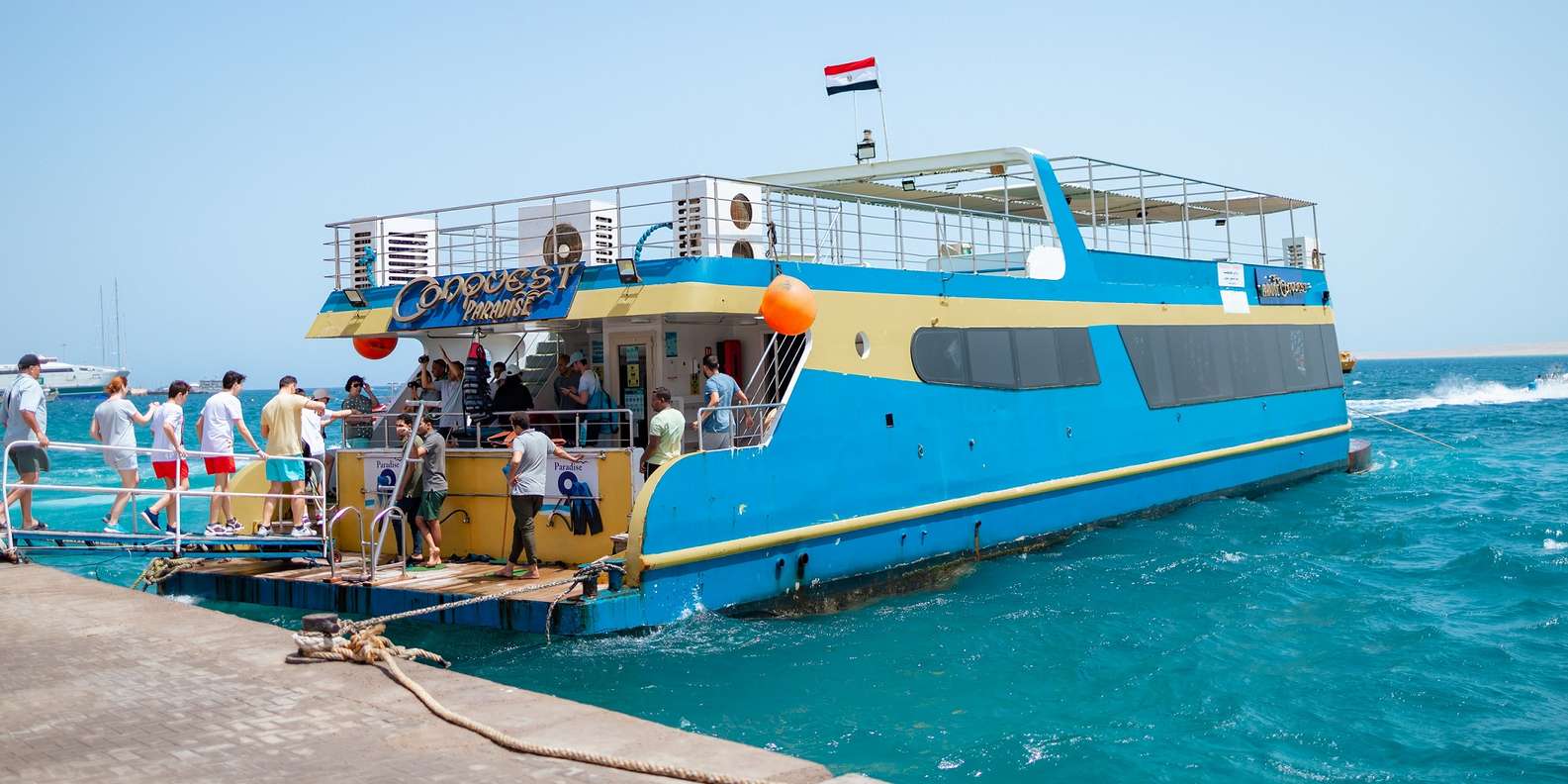
Board at the marina, climb down to the submerged cabin, and take a cushioned seat beside large windows. Trips last 90–120 minutes with interpretive commentary and slow passes over coral gardens. Some routes include a short topside break or optional snorkel stop; most keep the focus on uninterrupted, relaxed viewing through the glass.
Who This Is For
Families with toddlers or teens, seniors, mobility‑limited travelers, and anyone uneasy about snorkeling will love the control and comfort. Photographers get steady platforms for fish portraits; educators and curious minds get a moving classroom. If you’re planning mixed‑ability days, browse our Travel Inspiration hub to pair semi‑subs with beaches, gentle snorkels, or glass‑calm lagoons.
Booking & Logistics
Most hotels are 10–30 minutes from departure marinas; plan an early slot for calmer seas. For Sinai, consider this popular Sharm El Sheikh semi‑submarine tour. In Hurghada, families love the roomy Sea Wolf Semi‑Submarine. Seats are unassigned—arrive early for a window pair, and bring a light layer; cabins are cooled.
Sustainable Practices
Choose operators that moor to fixed buoys, brief against touching or feeding fish, and keep respectful speeds over sensitive zones. Avoid sunscreen smears on glass, never tap windows, and skip flash. Your ticket supports reef‑friendly access: the more we enjoy corals without standing on them, the better their odds in a warming sea.
FAQs
Semi‑submarines are designed for stable, slow cruising over shallow reefs, making them accessible to most travelers. Below, we answer common questions on motion comfort, seating, and what you’ll see. If you’re comparing dry viewing to getting wet, our regional overview of routes and tips is a helpful companion piece here.
Will I get seasick or feel claustrophobic?
Cabins are air‑conditioned with wide windows and bench seating, and boats cruise slowly in sheltered waters. If you’re motion‑sensitive, book early mornings and sit mid‑cabin where movement is minimal. Because you can stand and look upward to daylight, most guests report comfort even if they avoid regular boats.
What can I realistically see through the glass?
Expect parrotfish, butterflyfish, anthias clouds, and corals—plus occasional morays or turtles. Operators choose shallow platforms and wall edges; the cabin’s three–five‑meter depth places you beside living reef. Visibility commonly reaches 20–30 meters, so color and detail are excellent when the sea is calm and the sun is high.
How do seats work, and how can I get the best view?
Window pairs are first‑come, first‑served. Arrive early, split pairs so each viewer gets a pane, and avoid pressing gear or sunscreen to the glass. Sit slightly back to reduce reflections and wear dark clothing to cut glare. Photographers should choose morning slots and pre‑focus through clearer sections of the pane.
Gliding past coral gardens while staying cool and dry is a small Red Sea miracle—an easy doorway to a world that once felt off‑limits. Start with a semi‑sub; many guests graduate to gentle lagoon snorkels next. However you explore, let wonder lead—the reef reveals most when we move slow and tread lightly.


