
Red Sea Scuba Diving Highlights: Wrecks, Walls, and Wildlife in Cinematic Clarity
Quick Summary: A year-round sanctuary of pristine coral, photogenic wrecks, and pelagic encounters, the Red Sea delivers beginner‑friendly reefs and advanced thrills—framed by 20–40 m visibility and efficient access from Egypt’s flagship dive hubs.
Pinch the mask, roll off the stern, and watch the world saturate. At Ras Mohammed National Park, soft corals and glittering anthias flush along drop-offs like confetti, while a short sail away the SS Thistlegorm reveals a time capsule of WWII cargo. Based in polished, dive-forward Sharm el Sheikh, you can sample both—often in glassy seas and startling clarity.
What Makes This Experience Unique
Few places compress so much variety into such reliable conditions. You can shoot reefs that look hand-painted, drift past schooling barracuda, then fin through a cargo hold stocked with vintage motorbikes—often in 20–40 m visibility. Pair photogenic wrecks with flourishing coral and real chances of pelagics, and every dive feels consequential, whatever your level.
Where to Do It
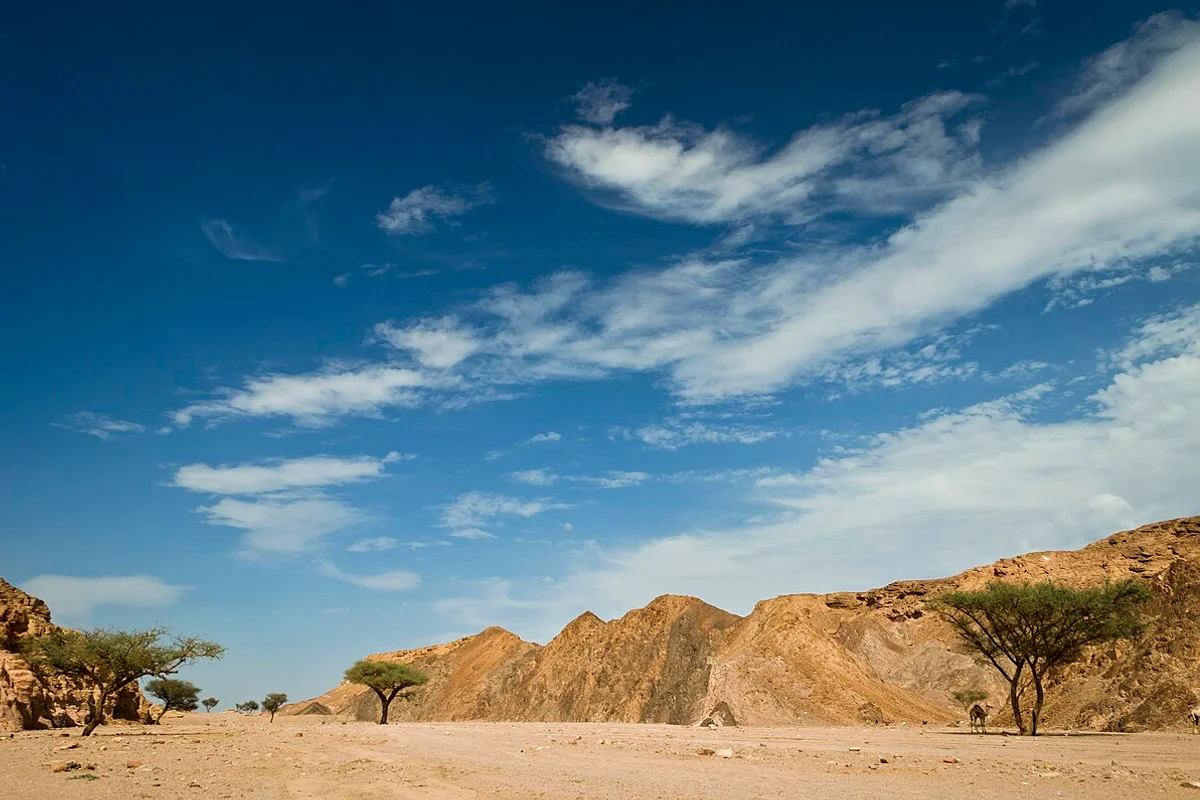
Sinai’s south tip is your reef-and-wreck double bill: Ras Mohammed for kaleidoscopic walls and the Thistlegorm for history-drenched interiors. Across the water, Hurghada runs smooth day boats to local reefs and offshore wrecks, while Marsa Alam gateways reach Elphinstone and offshore sea-mounts. Shore-diving classics in Dahab add easy-access drama and a distinctly bohemian pace.
Best Time / Conditions
Diving is year-round. Spring brings gentle seas and bustling reefs; summer ups warm-water comfort and calm mornings; autumn often tempts pelagic action offshore; winter delivers crystalline air and fewer crowds. Mornings are typically calmer for Ras Mohammed drifts. Offshore walls can see currents—great for life, but plan with local pros.

What to Expect
At Ras Mohammed, vibrant drop-offs switch between relaxed sightseeing and spirited, current-kissed drifts. The Thistlegorm balances exterior swim-throughs with guided penetrations; torch skills and buoyancy shine here. Expect modern day boats, knowledgeable crews, and intervals spent swapping sightings—turtles, napoleons, maybe a stealthy ray—against a horizon of indigo water.
Who This Is For
Beginners score gentle coral gardens, house reefs, and coaching-focused boats. Intermediates find progression with guided drifts, shallow wrecks, and navigation practice. Advanced divers unlock the Thistlegorm’s deeper holds and offshore pinnacles that occasionally host oceanic whitetips. Underwater photographers thrive on high-contrast scenes and dependable light; non-divers can snorkel, spa, and island-hop nearby.
Booking & Logistics
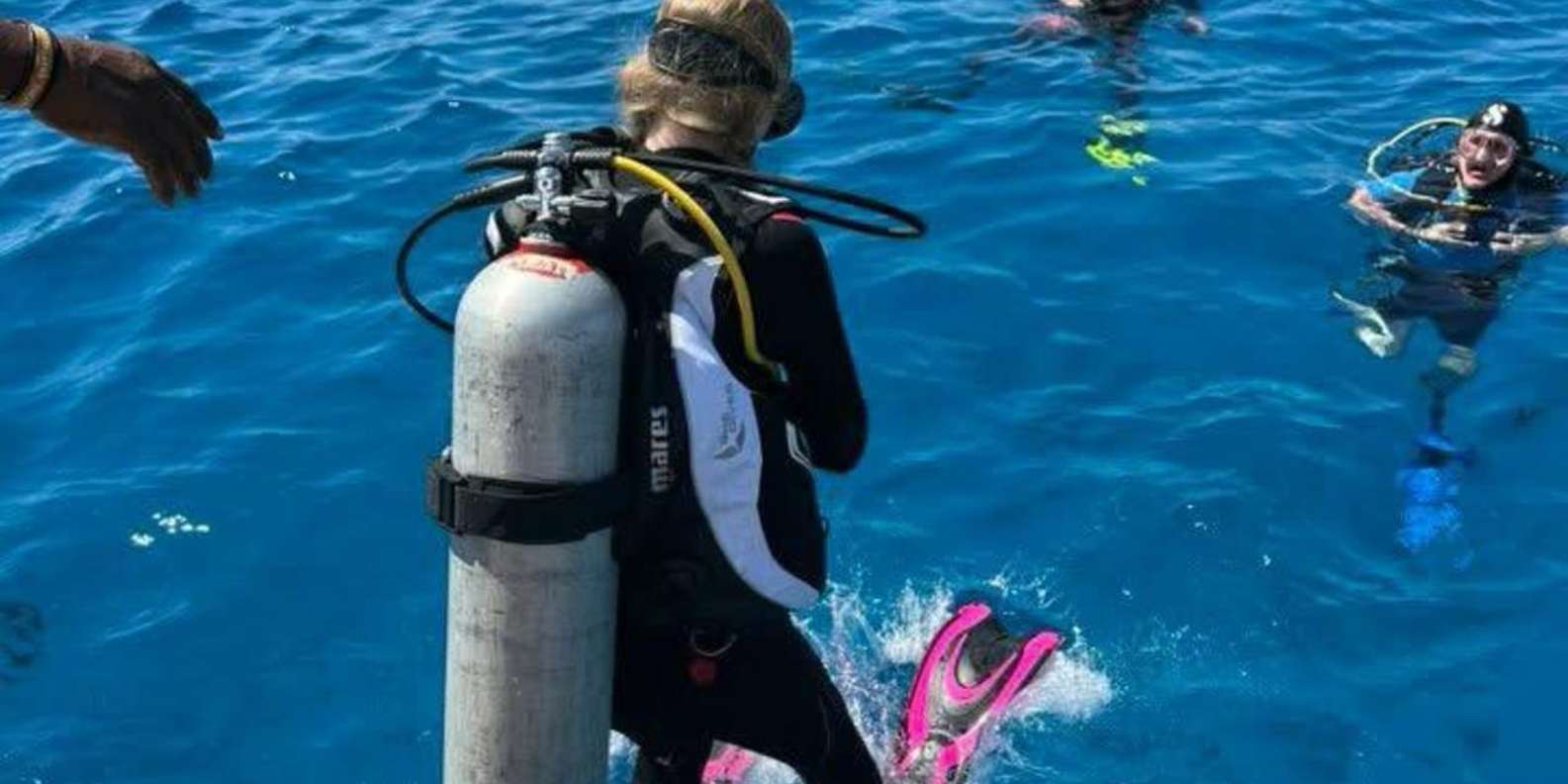
Day boats from Sharm reach Ras Mohammed in under an hour; the Thistlegorm is a longer run—commonly 3–4 hours each way. Expect briefings tailored to currents and experience. Advanced training is recommended for wreck penetration. For mixed groups, consider a private Ras Mohammed snorkeling day tour so non-divers share the magic while divers drop on the walls.
Sustainable Practices
Choose operators with mooring-first policies, neutral buoyancy coaching, and small groups. Reef-safe sunscreen, tidy finning, and hands-off wildlife etiquette matter. Many centers back local restoration; to go deeper, track new coral projects and site openings on Routri’s update hub for new Red Sea dive sites and reef projects, and support those measuring impact, not just marketing.
FAQs
Planning a Red Sea dive trip is refreshingly straightforward, yet details make a great week unforgettable. Think about your base, the balance of reefs versus wrecks, and how to pace offshore ambitions with rest days. Below, we answer common questions that help divers of all levels fine-tune expectations and safety.
Is the SS Thistlegorm suitable for my level?
The Thistlegorm’s profile ranges roughly 16–32 m, with currents, boat traffic, and overhead environments that favor advanced certifications and confident buoyancy. Exterior circuits are often accessible to experienced intermediates under strict guidance. Penetrations should be limited to trained divers with a pro leader, redundant lights, and conservative gas planning.
How clear is the water, really?
The Red Sea earns its reputation. On many days you’ll enjoy 20–40 m visibility, a huge creative boost for photographers and a comfort blanket for newer divers. Local weather, plankton pulses, and current strength can tweak the numbers, but clarity is remarkably consistent compared with other big-reef regions.
Can I mix beginner reefs with advanced thrills in one trip?
Yes—base in Sharm for flexible day boats. Start with Ras Mohammed’s gentler coral gardens and sheltered bays, then add guided drifts or a Thistlegorm day once you’re dialed in. Non-divers can snorkel the same sites, so mixed groups stay together while individuals scale challenge thoughtfully across the week.
In the Red Sea, color, history, and big blue converge into dive days that feel like cinema—yet remain remarkably easy to plan. Build your week around Ras Mohammed’s walls, then layer wrecks and offshore pinnacles at your pace. For site-by-site inspiration, see our best scuba dive sites in Sharm el Sheikh guide.


