Routri
Routri

Language

Currency

Book online or call us

+2012 81527008

Support

  • Contact Us
  • Legal Notice
  • Privacy Policy
  • Cookie Policy
  • Terms of Service
  • Refunds & Cancellations

Company

  • About Us
  • Careers
  • Blog
  • Gift Cards
  • Sustainability

Work With Us

  • Become a Supplier
  • Affiliate Program
  • Travel Agents

We Accept

PayPal
Visa
Mastercard
American Express
Maestro

Language

Currency

Book online or call us

+2012 81527008

Support

  • Contact Us
  • Legal Notice
  • Privacy Policy
  • Cookie Policy
  • Terms of Service
  • Refunds & Cancellations

Company

  • About Us
  • Careers
  • Blog
  • Gift Cards
  • Sustainability

Work With Us

  • Become a Supplier
  • Affiliate Program
  • Travel Agents

We Accept

PayPal
Visa
Mastercard
American Express
Maestro

© 2026 Routri. All rights reserved.

  1. Home
  2. /Travel Inspiration
  3. /Red Sea Eco-Resorts: Hands-On ...
Snorkeling
Beaches
Diving

Red Sea Eco-Resorts: Hands-On Reef Recovery in Egypt

Discover eco-resorts where your stay directly supports vibrant marine conservation projects. Dive into a world where luxury meets purpose, from coral restoration to sea turtle sanctuaries.

OF
Oriana Findlay
October 06, 2025•Updated March 21, 2026•4 min read
Share on
Red Sea Eco-Resorts: Hands-On Reef Recovery in Egypt

Sleep With the Reef: Eco-Resorts Where Your Stay Rebuilds the Red Sea

Quick Summary: Choose Red Sea eco-resorts that fund coral nurseries and mooring programs; join guided snorkeling tourss, seagrass mapping, and reef monitoring while enjoying effortless comfort and measurable conservation impact.

Sunrise slips across a glassy Red Sea as you zip your rash vest, not for a routine snorkeling tours, but to help outplant nursery-grown coral fragments. A marine biologist hands you a slate, a buddy checks your buoyancy, and that gentle fin-kick you’ve practiced means your holiday is literally rebuilding the reef beneath you.
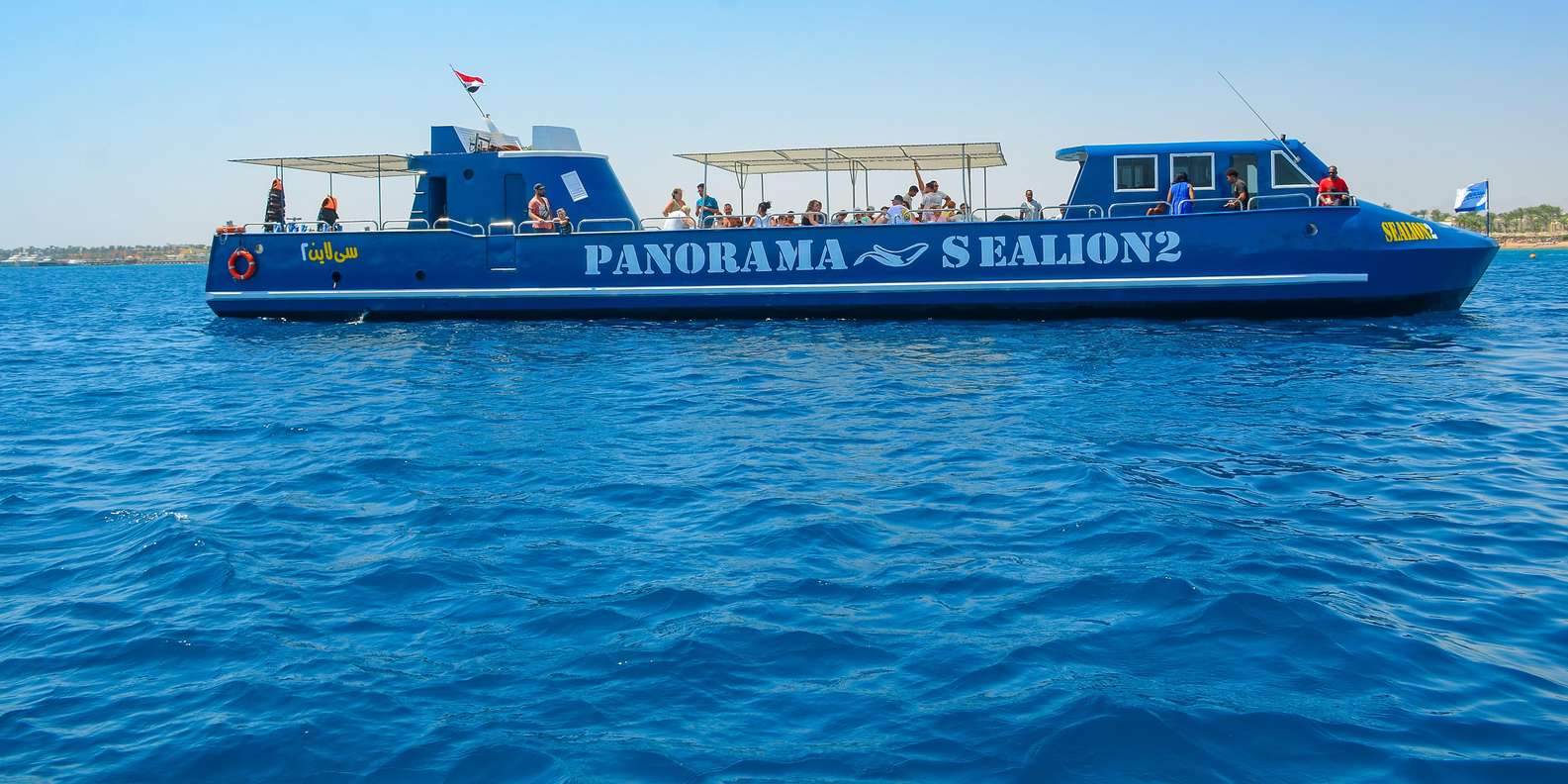
Safaga/Makadi Bay: Panorama Submarine & Snorkelling

What Makes This Experience Unique

These eco-resorts link leisure with measurable impact. Your room rate funds mooring buoys that prevent anchor damage, coral nursery fragments you help monitor, and seagrass mapping that tracks carbon storage. Visibility often runs 20–30 m, making activities deeply engaging and educational. You leave with skills, not just photos, and a reef that’s measurably better.

Where to Do It

For accessible coral gardens and established conservation outfits, base in the south of Sinai and around Marsa Alam. Start with the comprehensive Sharm El Sheikh travel guide for house reefs and boat trips to protected sites. In the Gulf of Aqaba, the laid-back Dahab travel guide points to shore entries and mellow currents that suit seagrass and fish surveys beautifully.

From Hurghada: Orange bay Snorkeling Cruise with Lunch

Best Time / Conditions

The Red Sea is year-round, with sea temperatures typically 22–29°C and calmest seas from late spring into autumn. Winter brings brisk winds and cooler mornings but stellar visibility. Early mornings offer gentler surface chop and better wildlife encounters. Boat rides to Ras Mohamed usually take 45–60 minutes, depending on conditions and route.

What to Expect

Expect a short briefing on buoyancy, finning, and coral-safe behavior, followed by supervised sessions at coral nurseries or seagrass meadows. Many house reefs start in shallow water, easing first-timer nerves. After lunch, you might log fish counts or help maintain mooring lines. Evenings cover data downloads and the day’s impact metrics with your guides.

Hurghada: Orange Bay & Ozirea Island with Breakfast & Lunch

Who This Is For

If you love the sea and want your trip to matter, this is for you—families with curious teens, first-time snorkeling toursers, certified diving experiencesrs, underwater photographers, and wellness travelers swapping passive pool days for purpose. Activities are tiered: gentle seagrass floats for beginners, nursery maintenance for confident snorkeling toursers, and guided monitoring diving experiencess for certified guests.

Booking & Logistics

Choose resorts that publish annual conservation metrics and partner with accredited marine scientists. From Sharm, a full-day White Island & Ras Mohamed snorkeling tour adds protected-site context to resort programs. In the south, consider Coral Garden snorkeling from Marsa Alam. Sharm’s airport to marina transfer is often 15–20 minutes; pack reef-safe sunscreen and closed-heel fins.

Sustainable Practices

Look for resorts with refill stations, single-use reductions, and wastewater treatment. Reef-safe sunscreen is essential; many provide shade tents and long-sleeve rash guards to reduce chemical use. Mooring buoy adoption prevents anchor scarring. Seagrass and mangrove protections enhance biodiving experiencesrsity and capture blue carbon—critical buffers for reefs as seas warm and storms intensify.

FAQs

Eco-resort programs are designed to be inclusive and educational, with safety briefings and small ratios of guests to experts. You’ll learn why methods matter—like hovering instead of standing, or how to log fish health. These are real contributions to long-term datasets, wrapped in accessible, guided experiences suited to a relaxing holiday.

Do I need to be a certified diving experiencesr to participate?

No. Many tasks are snorkeling tours-based: seagrass mapping, buoy checks, simple photo ID, and nursery observations in shallow, calm water. Certified diving experiencesrs can join deeper monitoring where conditions allow. Training covers buoyancy and coral-safe techniques, with visibility typically 20–30 m making surface-based work effective and beginner-friendly.

How do I know my stay actually helps the reef?

Choose resorts that publish annual impact reports: number of nursery fragments outplanted, survival rates, mooring inspections completed, or survey transects logged. Onsite briefings often include dashboards or QR-linked summaries. Ask how your fee is allocated across science, community training, and gear, and whether third-party partners audit results.

What should I pack for a conservation-focused getaway?

Bring a well-fitting mask and snorkeling tours, closed-heel fins that reduce coral scuffing, a long-sleeve rash guard, and a wide-brim hat. Reef-safe sunscreen is recommended even with sun shirts. If you photograph, add a red filter and lanyard. Motion-sickness tablets help on breezy crossings to offshore sites and protect your day’s surveying time.

When you drift back to shore, you’ll realize you’ve learned more than fish names—you’ve practiced stewardship. To extend your journey, plan gentle reef days via our Hurghada snorkeling guide and consider a deeper skills track with the Marsa Alam diving guide—two routes to keep turning holidays into habitat recovery.

Part of:
Ultimate Red Sea Diving Guide 2026: Sharm, Hurghada & Beyond

Related Tours

Find more travel inspiration

Egypt 14-Day Itinerary: Ultimate Cairo to Red Sea Trip Plan
May 23, 2026Egypt 14-Day Itinerary: Ultimate Cairo to Red Sea Trip Plan
by Oriana Findlay
Egypt 10-Day Itinerary: Cairo, Luxor, Aswan & Red Sea 2026
May 22, 2026Egypt 10-Day Itinerary: Cairo, Luxor, Aswan & Red Sea 2026
by Oriana Findlay
Hurghada Boat Tours: Which One Is Right for You? 2026 Guide
May 21, 2026Hurghada Boat Tours: Which One Is Right for You? 2026 Guide
by Oriana Findlay

FAQs about Red Sea Eco-Resorts: Hands-On Reef Recovery in Egypt

Not necessarily. Simple, shore-diving eco-camps can undercut big resorts, while full-service sustainable lodges may price similarly to mainstream options. What you’re paying for is thoughtful design—solar power, refill systems, moorings, trained guides—that lowers impact without sacrificing access to world-class reefs and wildlife encounters.

Yes. Many programs welcome snorkelers for nursery visits in 3–6 meters, seagrass walks with marine biologists at low tide, and beach or harbor cleanups. Families often join half-day sessions that combine education and gentle snorkeling, especially in calm bays where fringing reefs start close to shore with minimal current.

October–June offers cooler air and 22–26°C water, ideal for hands-on nursery work and longer snorkel sessions. Summer brings 27–29°C seas and calm mornings that favor dolphin-safe visits. Avoid strong-wind days, and follow local guidance on wildlife rest periods to ensure your presence supports, rather than disturbs, marine life. Choose stays and operators that match your values, then amplify your impact by visiting resilient reefs and protected zones thoughtfully. Start planning with our destination guides for Marsa Alam or the laid-back vibe of Dahab, and add conservation-minded stops like Abu Dabbab Bay and the spinner-friendly Sataya Reef. Browse conservation-forward trips under snorkeling and diving and nature and wildlife tours, or head to our main listings on tours for more.