
Red Sea Diving Safari: A Moving Story from Reefs to Wrecks
Quick Summary: Glide across Egypt’s Red Sea like a chaptered novel—drift Ras Mohammed’s neon walls, descend Dahab’s Blue Hole edges, and time-travel inside the SS Thistlegorm. Balanced daily plans suit beginners and pros, with calm, clear dives, dolphin chances, and cinematic coral gardens for easy, memorable photography.
Dawn slips over the Sinai and the sea turns electric-blue. Your dive day doesn’t fixate on one site—it flows. Start with Ras Mohammed’s living walls, roll north for lunch-light over coral gardens, then arc to the SS Thistlegorm before closing with Dahab’s Blue Hole edges and slow ascents in Dahab’s cobalt hush.
What Makes This Experience Unique
This safari treats the Red Sea as a storyline rather than a pin on a map. Each day brings a new chapter: neon reef drifts, cavern glow, wreck interiors, and dolphin flybys. It’s balanced for confidence and calm—heart‑pounding descents offset by serene, crystal‑clear pauses perfect for wide‑angle, macro, and candid buddy portraits.

Where to Do It
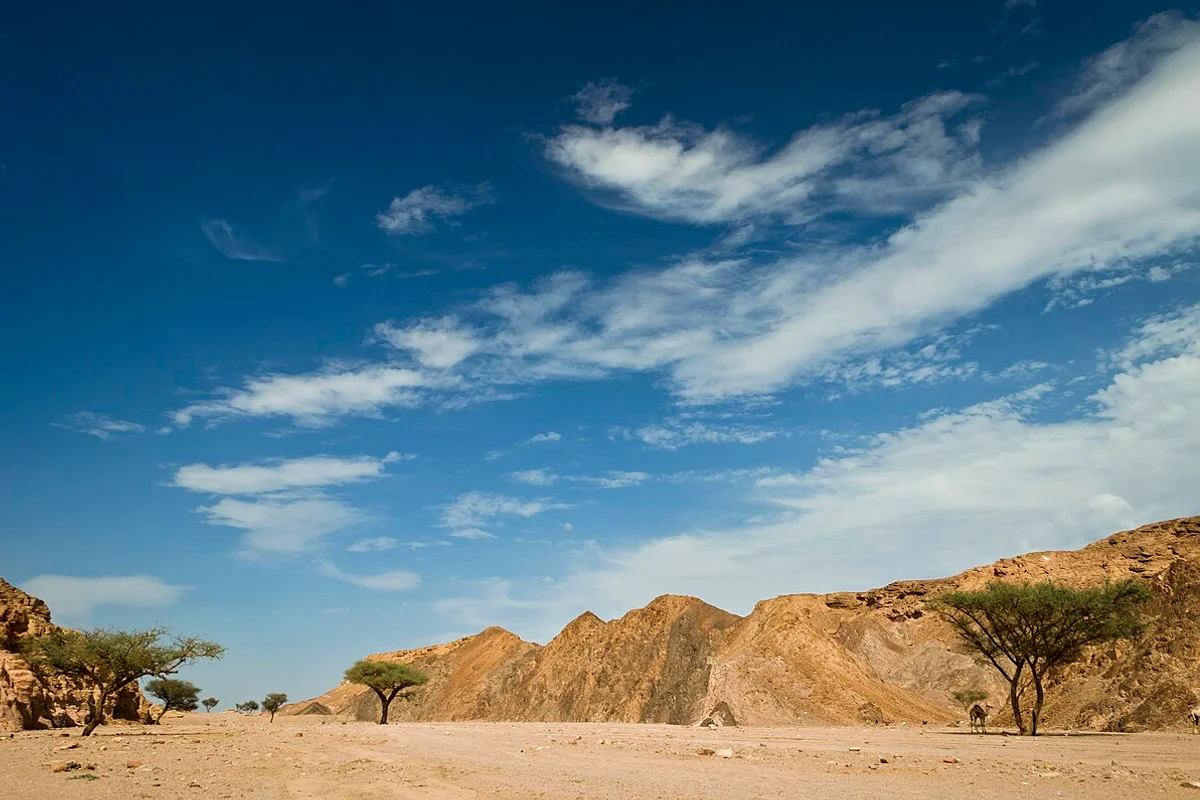
The classic corridor runs Hurghada–Sharm El Sheikh–Dahab, with optional southern add‑ons toward Marsa Alam. Base in lively Hurghada for easy day boats and overnight safaris—start with the Hurghada Travel Guide. Up in Sinai, Sharm accesses Ras Mohammed and nearby wrecks, while Dahab offers relaxed shore entries, atmospheric canyons, and that famous Blue Hole drop-off.
Best Time / Conditions
For calm seas and warm sun, aim April–June and September–November. Expect reliable visibility around 20–30 meters, often better on winter mornings. Surface waters typically hover near 22–24°C in cooler months and rise to 27–29°C in summer. For planning by season and kit lists, see our Red Sea Diving & Snorkeling Guide.
What to Expect
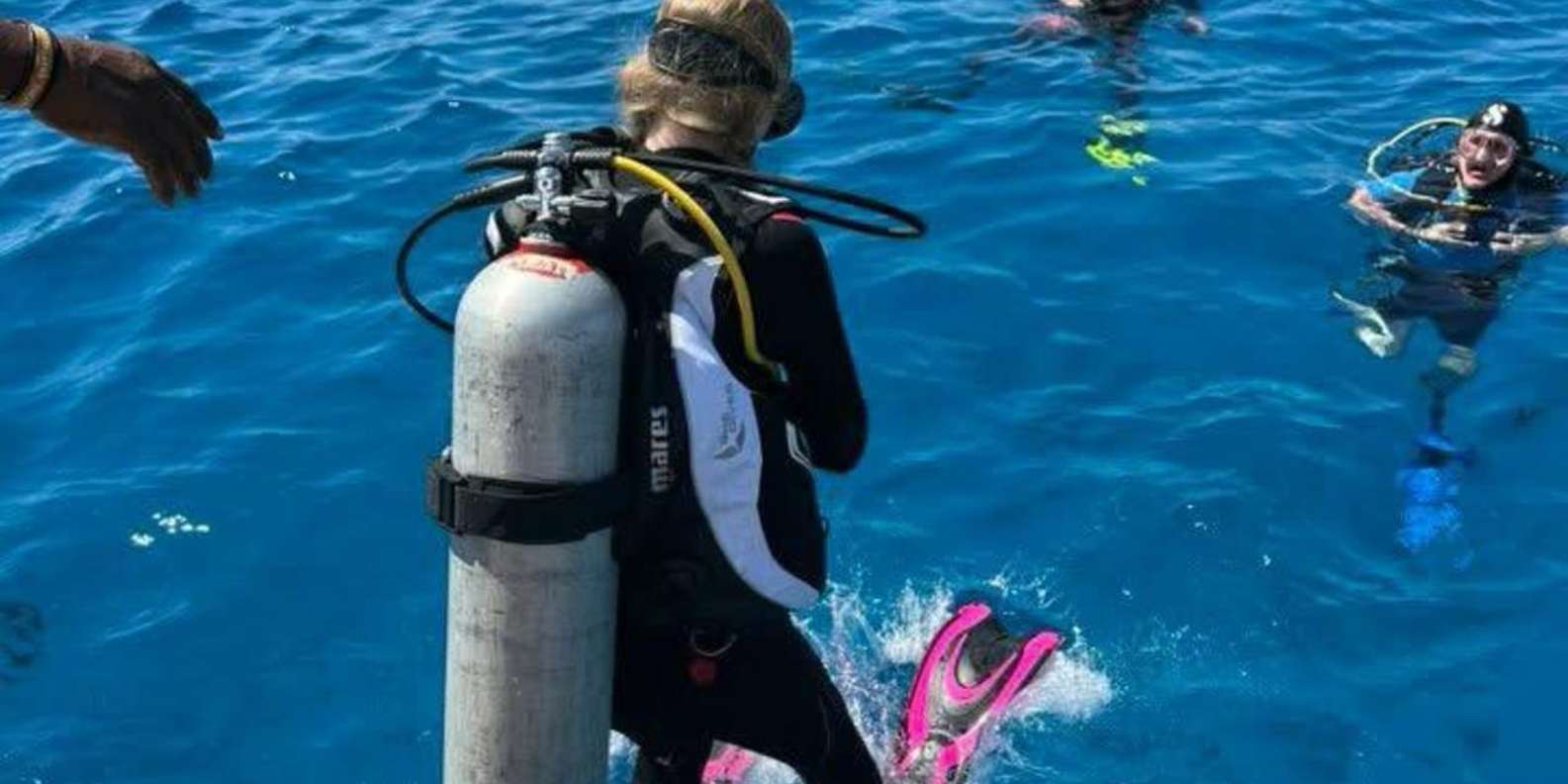
Think smooth sequences of two to three dives per day: a Ras Mohammed drift, a relaxed coral garden for skills and photography, then a signature wreck or canyon. Between sites, decks are unhurried—siestas, lens swaps, and logbook notes. Photographers score best color early and late; our Red Sea underwater photography guide highlights compositions and ambient‑light windows.
Who This Is For
New divers gain confidence with guided, gentle profiles over fish-thick plateaus and lagoons. Intermediates step into mild current drifts and wreck exteriors. Advanced divers add overhead training and deeper wreck circuits. Snorkelers aren’t left out—dolphin bays and shallow coral gardens deliver glassy, camera‑ready scenes without tanks or tech.
Booking & Logistics
Day boats from Sharm reach Ras Mohammed easily—consider a full‑day Ras Mohammed & White Island diving trip. For Dahab’s shore classics, a Blue Hole and Dahab Canyon day tour keeps logistics simple. The SS Thistlegorm’s deck lies ~18 m (seabed ~30 m), suitable for Advanced certs; Sharm–Dahab transfers are roughly 90 minutes by road.
Sustainable Practices
Perfection here is buoyancy and restraint. Use mooring lines, keep fins high, and choose reef‑safe sunscreen. Never touch wreck artifacts or coral. Follow briefings, respect no‑take zones, and secure dangling gauges. When offered, join ID‑photography or reef‑check dives—small, citizen‑science tasks that scale up to real conservation impact.
FAQs
A Red Sea safari is flexible: mix day boats with overnight mini‑cruises, or commit to a week‑long liveaboard. The aim is variety without rush—reefs, caverns, wrecks, and dolphin chances. Good operators match sites to your experience, photography goals, and the day’s conditions so the story unfolds naturally and safely.
How many days do I need?
Three days deliver Ras Mohammed highlights, a Dahab canyon or Blue Hole edge, and one signature wreck. Five days add rest windows and extra reefs for photography. A week unlocks dawn dives, remote shelves, and better odds for dolphins, with time to repeat favorites under the best light and tide.
Can beginners join, and what about depth limits?
Yes. New divers stick to calm gardens, lagoons, and guided drifts within certification limits. Blue Hole’s saddle and outer reef are beginner‑friendly with a pro; the deep arch is technical only. Thistlegorm penetrations are for trained divers; many stay on exterior routes at conservative profiles.
What should I pack for photos?
Think simple: a wide‑angle lens or wet‑wide converter for reefs and wrecks, plus a focus light. One strobe is enough; two add coverage. Bring red filters for ambient scenes and spare o‑rings. A reef hook is useful for current, but only where allowed and never near fragile corals.
In the end, this route reads like a perfectly paced travelogue—neon walls, quiet blue descents, and one unforgettable wreck. Start in Hurghada’s easy waters, arc through Sinai’s icons, and let the sea set the tempo; the memories, and the images, will take care of themselves.


