
Volunteer Reef Clean‑Up Dives in Egypt’s Red Sea: Adventure That Restores
Quick Summary: Trade one leisure dive for a purpose-driven one. Join guided Red Sea clean-ups and coral nursery sessions with local experts, removing debris, monitoring coral health, and supporting community-led conservation—without sacrificing iconic sites or underwater thrills.
Sun warms the decks as tanks clink and mesh bags are clipped to BCDs. Briefings highlight neutral buoyancy, buddy roles, and what to leave behind. Minutes later, you’re finning past anthias clouds, scanning for fishing line and drifting plastics—turning a classic Red Sea dive into measurable good across its marquee Red Sea destinations.
What Makes This Experience Unique
Unlike passive sightseeing, clean-up and nursery dives deliver tangible outcomes: fewer entanglement risks today, stronger coral cover tomorrow. Egypt’s Red Sea—famed for 20–30 m visibility and coral resilience—lets you pair world-class reefs with guided impact. You’ll log dives, learn survey methods, and support community operators stewarding emerging and classic sites, including new Red Sea dive sites and reef projects.
Where to Do It
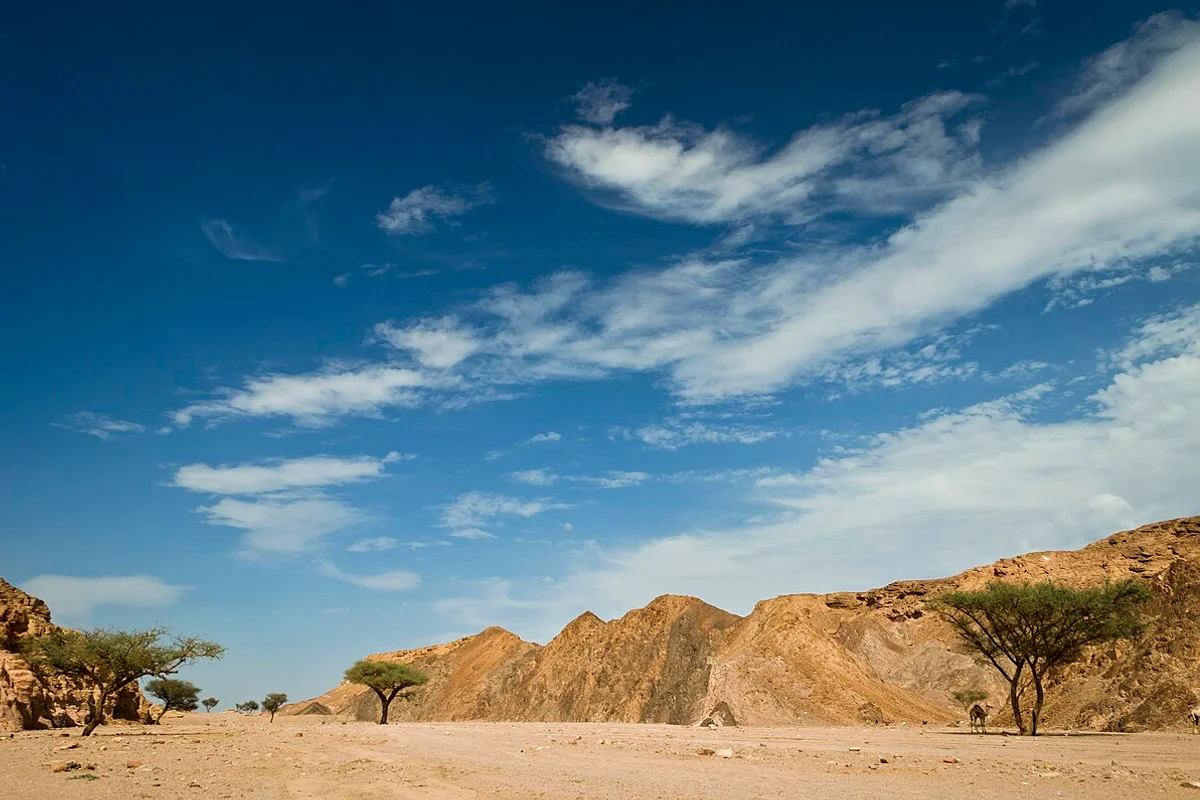
Start in Sharm El Sheikh, where operators run clean-ups around Ras Mohammed and Tiran’s current-washed plateaus. Many blend impact with iconic drops, such as a Ras Mohamed & White Island diving trip, or a Tiran Island snorkeling & diving tour. Hurghada’s nursery projects cluster near protected house reefs; Marsa Alam offers seagrass-adjacent work around Abu Dabbab. Dahab adds shore-entry simplicity for quick, targeted sweeps.
Best Time / Conditions
Spring and autumn bring calm seas and comfortable 24–28°C water, ideal for task-focused dives. Winter can dip to 22–24°C with breezier days; summer climbs to 28–30°C—great for long bottom times if you manage heat topside. Expect 20–30 m visibility typical of the Red Sea; book early-morning boats for smoother rides and gentler surface conditions.

What to Expect
Briefings cover buoyancy checks, debris triage, and safe cutting techniques. Most clean-ups run two sessions at 5–18 m, 40–60 minutes each, with a surface debrief and sorting after. From Hurghada, boats reach reefs in 20–60 minutes; from Sharm, count on 40–90 minutes, leaving ample time to balance litter removal with reef exploration and photo stops between tasks.
Who This Is For
Certified Open Water divers comfortable with neutral buoyancy benefit most, though confident snorkelers can help topside with spot-and-retrieve support near mooring lines. Underwater photographers keen on macro can document impacts and regrowth. Families with teens often join on calmer days. If you’re newly certified, your guide will assign low-risk zones while you build task fitness.

Booking & Logistics
Choose operators partnering with NGOs or citizen-science programs and ask for a dedicated clean-up or nursery day on your itinerary. Pack reef-safe sunscreen, lightweight gloves, and a small cutter; lift-bags and mesh sacks are usually supplied. Medical forms and insurance may be required. If you’re short on time, fold impact into a marquee day like the Ras Mohamed & White Island dive or Tiran Island tour.
Sustainable Practices
Follow debris protocols: never yank line embedded in living coral; mark and log complex snags for trained follow-up. Keep perfect trim to avoid fin damage and secure dangling gauges. Use cutting tools conservatively and sort waste onboard. Review local rules on gloves and lift-bags, and refresh ethics with this primer on responsible diving in Sharm before you splash.
FAQs
Clean-up and nursery days feel like regular boat dives—but with a purpose. You’ll still see classics like schooling fusiliers and table corals; you’ll just add mission time and careful buoyancy to the plan. Expect thorough briefings, conservative profiles, and a celebratory debrief as teams sort, weigh, and log debris for reef managers.
Do I need to be certified to join a clean-up dive?
Most underwater clean-ups require Open Water certification and recent experience. If you’re new, join a skills refresher or start topside: snorkel assists and beach clean-ups are common. Some nurseries run shallow, supervised sessions in calm lagoons, allowing newer divers to help with brushing and monitoring tasks without exceeding comfort or training limits.
How do coral nurseries work, and can visitors help?
Fragments from damaged, viable corals are fixed to “trees” or frames in calm, well-lit water to accelerate growth. Volunteers help brush algae, check ties, and note health metrics. Once fragments reach target size, trained teams outplant them to stable substrates. Visitor roles are kept simple and supervised to protect both corals and divers.
Is debris removal safe for marine life and the reef?
Yes—when done correctly. The priority is easy wins: bottles, bags, and loose line that isn’t fused to living coral. Anything entangled in growth is noted, photographed, and left for specialists. Neutral buoyancy, controlled cutting, and measured lift use prevent secondary damage, turning small, repeatable actions into real habitat gains.
Swapping one leisure dive for a purposeful one is an easy pledge: same teal water, same fish, but cleaner reefs and stronger communities each time you surface. Wherever you base—Hurghada, Dahab, Marsa Alam, or Sharm—your logbook can tell a richer story: exploration that restores, and memories that leave the sea better than you found it.


