
Red Sea Adventures: Top Activities Beyond Diving
The Red Sea is famous for diving, but you don’t need a tank on your back to have an active week on the water. From wind-driven sports in steady thermal breezes to desert trails that start minutes from the shoreline, this coast rewards travelers who want variety as much as reefs. This guide rounds up the best Red Sea adventures beyond diving, where to do them around Hurghada, El Gouna, Makadi Bay, Sahl Hasheesh, Soma Bay, Safaga, Marsa Alam, Sharm El Sheikh, and Dahab, and what conditions to expect through the year.
What Makes This Experience Unique
The Red Sea sits at a rare intersection of reliable weather, warm water, and geography that makes “multi-activity” days genuinely practical. In many resorts you can kite in the morning, take a boat out after lunch, and be on a desert quad route by late afternoon—without long transfers. The coast also offers a spectrum of water conditions, from glassy lagoons to wind-exposed channels, so beginners and experienced athletes can find their comfort zone.
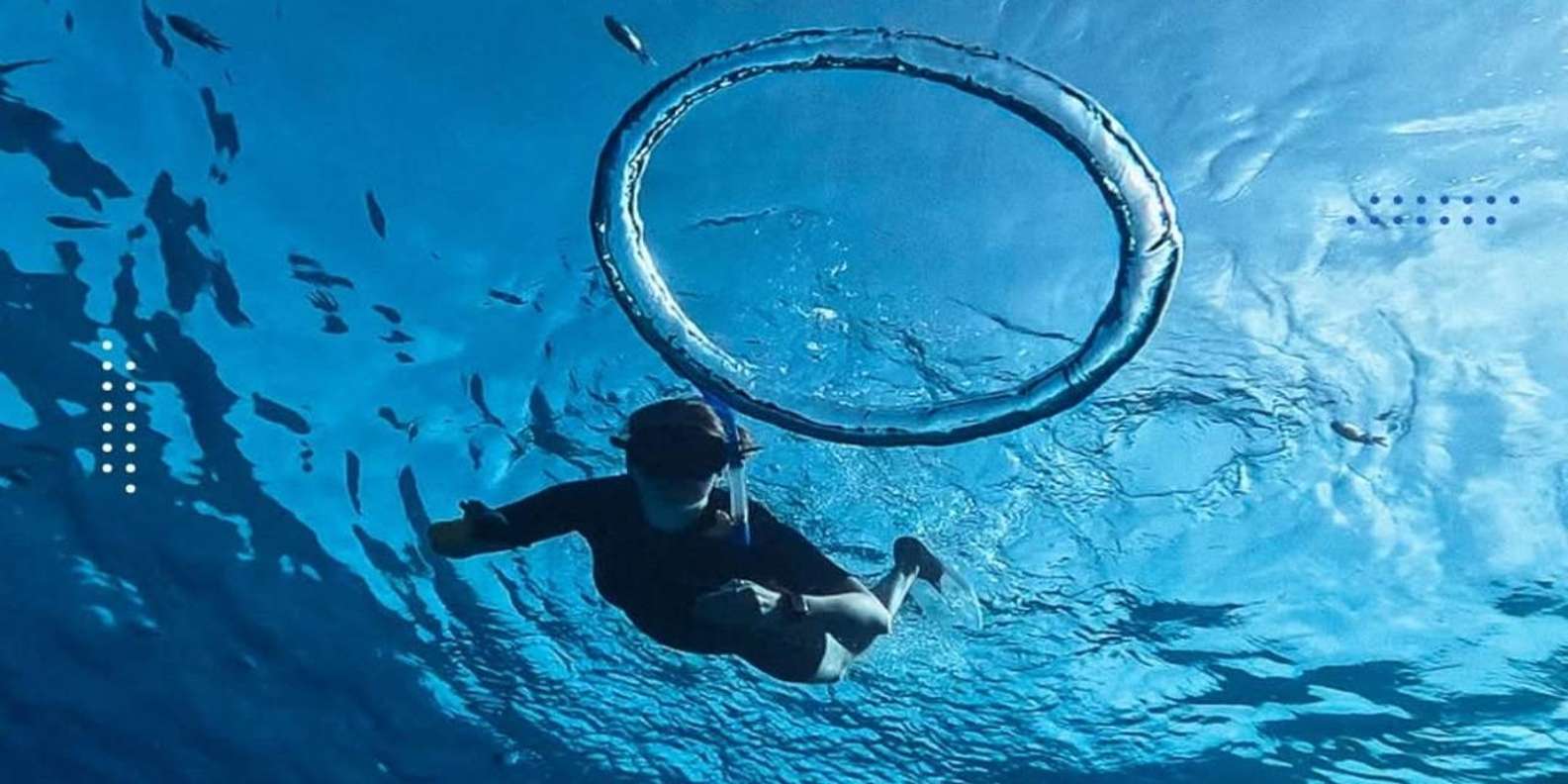
Wildlife encounters aren’t limited to scuba either. Snorkeling from shore or on a day boat often delivers close views of butterflyfish, parrotfish, surgeonfish, and giant clams in shallow coral gardens. In some areas, especially around Marsa Alam, surface-focused trips can include chances to spot sea turtles grazing on seagrass and, in the right season and location, occasional dolphin encounters from a respectful distance.
On land, the contrast is part of the appeal: limestone and granite desert landscapes, dry mountain air, and star-heavy night skies minutes from humid beaches. The Red Sea’s coastal roads also make it easy to base yourself in one destination (like Hurghada or Sharm El Sheikh) while sampling day trips that feel completely different.
Where to Do It
Hurghada: Boat days, watersports, and quick desert access
Hurghada is a practical hub for travelers who want lots of options and short transfers. Day boats typically head to nearby reef areas and islands for snorkeling, swimming stops, and water sports add-ons like banana boats or sofa rides. If you’d rather stay closer to shore, beach clubs and hotel marinas often have parasailing, wakeboarding, and beginner-friendly tow sports depending on sea state.
Hurghada also gives you fast access to desert activities. Many quad and 4x4 routes start just beyond the resort strip, which means you can fit a sunset ride into a day without committing to a long excursion.
El Gouna: Lagoons for kiting, SUP, and easy sailing
El Gouna’s sheltered lagoons are a strong choice for learning or leveling up in wind sports. The water is often flatter than the open coast, which helps for kiteboarding, wing-foiling, and beginner wake sessions. Stand-up paddleboarding is also comfortable here in the early morning before the breeze builds.
Because the town is built around marinas and channels, sailing and casual boat trips feel integrated into the destination. It’s a good base if you want water time every day without long boat rides.
Makadi Bay & Sahl Hasheesh: Family-friendly beach adventures
Makadi Bay and Sahl Hasheesh are well suited to travelers who want activities close to the hotel: snorkeling from the beach, short boat rides, and calmer, organized watersports. These areas often work well for mixed groups where some people want low-effort swimming and others want higher-adrenaline options like parasailing or fast towable rides.
For snorkel-focused days, aim for mornings when the surface is smoother and visibility is typically better near shore. If you’re sensitive to wind chop, sheltered bays and managed swim areas can make a big difference.
Soma Bay, Safaga & the wind corridor: Kitesurfing and sailing conditions
Soma Bay and the Safaga area are known among wind sport enthusiasts for consistent breezes, especially in the warmer months. You’ll find conditions that suit different levels—flatter water zones for practicing and more open-water sections for experienced riders. If you prefer sailing, the same winds can power satisfying day cruises, with route choices depending on sea state.
These destinations often feel quieter than major city hubs, which can be a plus if your ideal “adventure” includes a calmer shoreline and fewer crowds.
Marsa Alam: Snorkeling, wildlife-focused trips, and quieter coastline
Marsa Alam tends to appeal to travelers who want nature-forward activities. Shore snorkeling can be excellent where there are fringing reefs and protected bays, and the calmer vibe suits early starts for wildlife-focused boat trips. In shallow areas you’ll often see reef fish in just a few meters of water, and seagrass zones can attract turtles.
Because distances between resorts and marinas can be larger here, plan for longer transfers than in Hurghada or El Gouna. The payoff is a coastline that feels less developed and often less busy at popular swim and snorkel stops.
Sharm El Sheikh: High-energy water sports and desert day trips
Sharm El Sheikh is built for variety: resort beaches for organized tow sports, boat trips for snorkeling, and wide desert spaces nearby for quads and 4x4s. It’s also a convenient base if you want to split your time between beach activities and excursions into the surrounding landscapes.
If you’re traveling with non-swimmers, Sharm’s range of shore-based options makes it easy to keep everyone active without committing to a full-day boat itinerary every time.
Dahab: Wind sports, hiking, and a laid-back pace
Dahab is a strong pick for travelers who like independent-feeling adventures. Windy days can suit kiting and wing sports, while calm mornings are ideal for kayaking or paddling close to shore. On land, nearby trails and viewpoints offer a change of pace from water activities without needing a long drive.
Because the town is compact, you can keep your schedule flexible—choose the water in the morning, then decide on a hike or desert outing based on the day’s heat and wind.
Best Time / Conditions
For most “beyond diving” Red Sea activities, the sweet spots are spring (March to May) and autumn (September to November). Air temperatures are comfortable for desert excursions, and the sea is warm enough for long swims and snorkeling without feeling rushed. Summer brings the hottest air temperatures—great for water-heavy days, but you’ll want earlier starts for land activities.
Water temperatures typically range from about 22°C in winter to around 28–30°C in late summer, depending on location and year. In December to February, a shorty wetsuit or rashguard can make snorkeling and tow sports more comfortable, especially if the wind picks up. Wind conditions vary by destination; areas around Soma Bay and Safaga are often favored by kiteboarders when breezes are more consistent.
Sea state matters as much as temperature. If you’re planning parasailing, wakeboarding, or a relaxed snorkeling day, mornings are often smoother before afternoon winds build. For kitesurfing or sailing, the opposite can be true—many riders look for predictable afternoon breezes and pick spots with safe launch areas and rescue support.

What to Expect
A typical adventure day starts with a pickup or a short transfer to a marina, beach club, or desert staging area. For water-based tours, you’ll usually get a briefing on safety, equipment, and the day’s route, then time in the water in multiple short sessions rather than one long block. Snorkeling trips often alternate reef stops with lunch and a rest period while the boat changes location.
For wind sports (kiteboarding, wing-foiling, sailing), expect a skills assessment if you’re renting gear or joining a guided session. Conditions can change quickly, so instructors may adjust the plan—moving you to a flatter-water area, changing kite size, or switching to a different timeslot. Bringing water shoes is useful in many launch areas where the shoreline can be rocky or coral rubble.
Desert activities are usually timed around heat and light. Sunset quad rides are popular because the temperatures drop and visibility improves, but morning trips can be better if you want longer routes and clearer views before haze builds. Even short rides can be dusty, so sunglasses and a face covering help, and closed-toe shoes make the experience more comfortable.
Who This Is For
This mix of activities works well for travelers who want an active beach holiday without committing to scuba training. Snorkeling, SUP, and most boat day trips suit beginners as long as you’re comfortable in the water; non-swimmers can often still enjoy glass-bottom viewing areas on some boats and many shore activities.
Families usually do best with destinations that keep logistics simple—Makadi Bay, Sahl Hasheesh, and Hurghada are often convenient because marinas and activity providers are close. Couples and friend groups looking for a more sport-focused itinerary often gravitate toward El Gouna, Soma Bay, and Safaga for lagoon and wind conditions.
If your priority is wildlife and quieter shorelines, Marsa Alam is a strong fit. If you want variety with a side of nightlife and resort infrastructure, Hurghada and Sharm El Sheikh are easier bases.

Booking & Logistics
Plan your itinerary by grouping activities that share the same conditions. Put snorkeling and calmer water sports earlier in the day, and save wind-dependent sports for the hours when breezes are more reliable. For desert tours, schedule around the heat—sunset and early morning are usually the most comfortable windows.
Pack with versatility in mind: a rashguard, reef-safe sunscreen, a light windbreaker for boat rides, and water shoes for rocky entries. A dry bag is useful for phone, towel, and valuables on speedboats or when you’re moving between swim stops. If you’re prone to motion sickness, consider taking precautions on boat days, especially when wind picks up in open water.
When booking, check what’s included: equipment, life jackets, instructor time, and transfers can vary by activity and destination. For anything motorized (parasailing, towables, quads), prioritize operators that give clear safety briefings and have visible maintenance standards for boats and gear. If you’re traveling during peak weeks, reserving popular day boats and kite sessions ahead of time can help you secure your preferred time slots.
Sustainable Practices
The Red Sea’s reefs and seagrass meadows are sensitive to contact and pollution, even when you’re not diving. Use reef-safe sunscreen, avoid standing on coral or kicking up sediment in shallow lagoons, and keep a respectful distance from turtles and dolphins. The best wildlife experiences come from patient observation rather than chasing animals for photos.
Choose operators that brief guests on reef etiquette and provide proper mooring rather than anchoring on coral. On boat trips, minimize single-use plastics by bringing a refillable bottle, and secure loose items so they don’t blow overboard. In desert areas, stick to established tracks to reduce erosion and avoid disturbing wildlife or vegetation.
FAQs
What are the best Red Sea activities if I don’t dive?
Snorkeling from shore or on a day boat is the easiest alternative and can still show you dense reef life in shallow water. Kiteboarding and wing-foiling are popular in lagoon areas like El Gouna and windier zones around Soma Bay and Safaga. For land-based adrenaline, quad biking and 4x4 desert tours are widely available from Hurghada and Sharm El Sheikh.
Is snorkeling in the Red Sea worth it without a guide?
Snorkeling can be excellent from shore in some bays, but conditions and safe entry points vary a lot by location. A guided trip helps you reach better reefs, avoid boat traffic zones, and learn reef-safe techniques that protect coral and improve visibility. If you snorkel independently, use a surface marker where appropriate and avoid touching coral or standing in shallow reef flats.
When is the best time for kitesurfing on the Red Sea?
Wind is present year-round in many areas, but spring and summer often bring more consistent breezes along parts of the coast, especially around Soma Bay and Safaga. Water and air temperatures are also warmer from late spring through autumn, which makes longer sessions more comfortable. Local schools can advise on typical wind windows for your exact spot and level.
What should I wear for Red Sea boat trips and water sports?
Wear a rashguard or swim top for sun protection, plus water shoes if you’ll be entering from rocky shores or shallow reef areas. Bring a hat, sunglasses, and a light layer for wind on the boat, especially outside peak summer. In winter months, a short wetsuit can make long snorkeling or tow-sport sessions more comfortable.
Which Red Sea destination is best for a mixed group (some active, some relaxed)?
Hurghada and Sharm El Sheikh usually work well because they offer a wide menu of boat trips, beach activities, and desert excursions with short transfers. Makadi Bay and Sahl Hasheesh are also convenient for keeping plans simple and close to the hotel. For a sport-focused group, El Gouna’s lagoons and Soma Bay’s wind corridor offer strong options while still having plenty of downtime spaces.
The Red Sea’s allure lies in its versatility. Whether you seek the thrill of Red Sea diving experiences, the serenity of a sailing cruise, or encounters with rare wildlife, there’s always something new to discover. Begin planning by exploring our Red Sea tours or dive deeper into specific topics on our travel blog. Each journey, above or below the surface, reveals a new dimension of this remarkable region.


