
Red Sea Adventure Travel 2026: From Coral Kingdoms to Desert Trails
Quick Summary: A 2026 Red Sea adventure flows from world-class reefs to timeless desert paths—think eco-conscious dives, Bedouin-led treks, and small-group expeditions that pair adrenaline with reef protection, cultural connection, and deep personal renewal.
Dawn on a Sinai ridge, the granite warming pink; dusk on a seagrass flat, a turtle lifting for air—between these moments runs the Red Sea’s most transformative corridor. In 2026, small-group, local-led expeditions knit reef and desert into one story, where eco-diving, star-walks, and tea by the fire renew body and perspective.
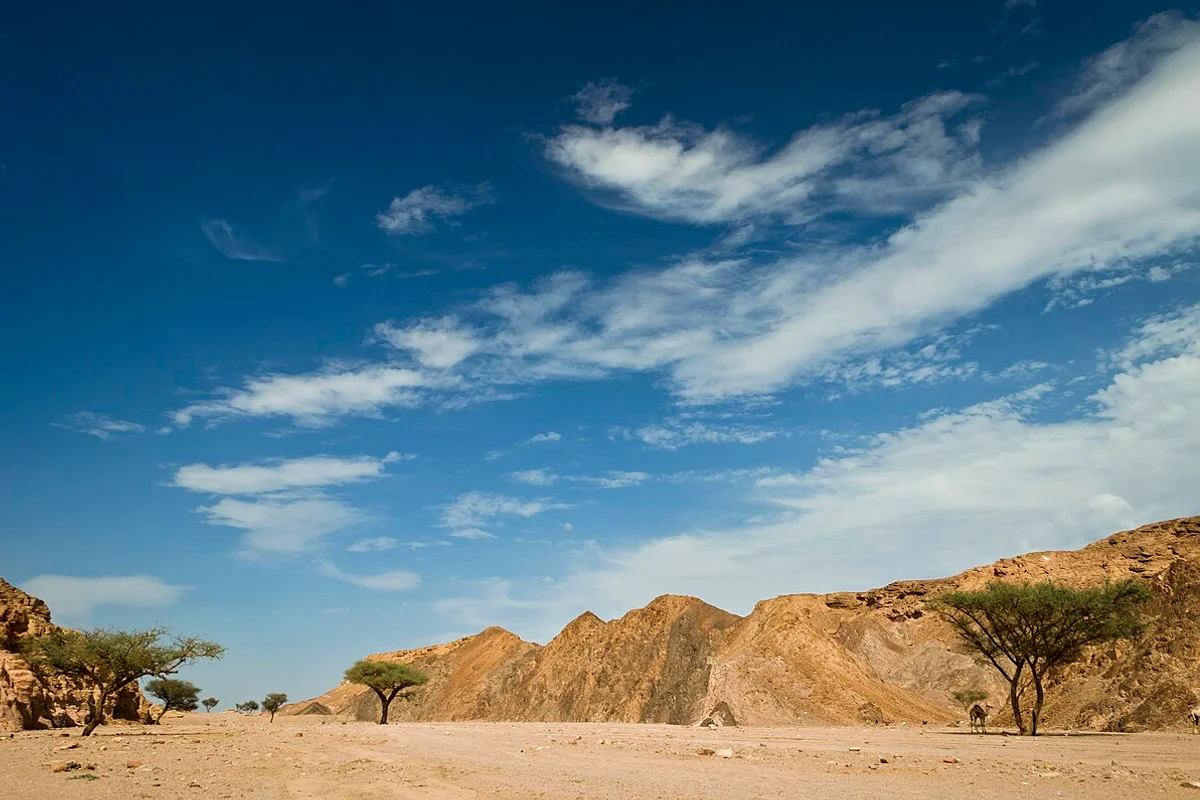
What Makes This Experience Unique
It’s the seamless arc from underwater to overland—daybreak dives on breathing coral gardens, then Bedouin-guided trails where silence sharpens the senses. Authenticity comes from scale: small boats, limited permits, and village hosts. The payoff is depth—marine biology briefs, desert astronomy, and slow time with people who call these places home.
Where to Do It
Base in Sharm El Sheikh for Ras Mohammed drifts and access to the Sinai spine—start with this weekend itinerary for Sharm el‑Sheikh. In Hurghada, blend reefs with marina culture—go beyond resorts with Hurghada’s local experiences. Kitesurf days slot in at El Gouna, while Marsa Alam adds dugong‑grazed seagrass meadows and offshore walls for more remote, pelagic‑skewed days.

Best Time / Conditions
. For night dives, aim for clear, moonless evenings; bioluminescent sessions typically run 45–60 minutes at 6–12 meters on calm seas.
What to Expect
. On land, expect tea stops, camel support where needed, and desert nights mapped by constellations, not streetlights.

Who This Is For
If your sweet spot is meaningful adventure—more immersion than metrics—this corridor was built for you. Confident snorkelers and Open Water divers can flourish beside seasoned explorers, while trekkers with moderate fitness gain the most from rolling wadis and granite scrambles. Families and mindful first‑timers thrive in small, flexible groups led by locals.
Booking & Logistics
Mix day boats and two- to four‑night liveaboards for rhythm, or keep land bases in Sharm El Sheikh and Hurghada with targeted outings. For signature snorkeling tours, the White Island & Ras Mohammed snorkelling tour is a standout. Culture breaks are easy on a private city tour in Hurghada. Pack reef‑safe sunscreen, a hooded layer for wind, and sturdy desert footwear.
Sustainable Practices
Choose small-group operators, limit daily sites, and favor moorings over anchors. Briefs should include buoyancy checks, camera awareness, and “no touch, no chase” wildlife codes. On land, travel with Bedouin cooperatives, carry out all waste, and buy meals, bread, and crafts in‑community. For planning, see Sharm El Sheikh’s top dive spots and safety notes here, and a Red Sea desert safari guide.
FAQs
Adventure along the Red Sea often blends ocean and desert within the same week. These practical answers cover skills, safety, and cultural etiquette so you can focus on presence, not logistics. Think of them as a pre‑brief: the essentials that help you travel lighter, tread softer, and savor each transition.
Do I need to be an advanced diver for a 2026 itinerary?
No—Open Water divers and confident snorkelers are welcome when trips use layered planning. Expect easier reefs on day one, skills refreshers, then optional add‑ons for advanced buddies. Wrecks and deep walls may require certifications; night and current dives are paired to experience so everyone stays within comfort.
How do small groups actually improve reef health and wildlife encounters?
Smaller caps reduce contact risk, silt, and noise, helping corals and shy species. Guides can stagger entries, enforce buoyancy and camera discipline, and select moored sites. Fewer fins also mean more natural behavior—turtles graze longer, rays circle back, dolphins stay curious—transforming quick sightings into real moments.
Is it respectful and safe to trek Sinai with Bedouin guides?
Yes—local-led routes support livelihoods and preserve knowledge. Reputable cooperatives manage permits, water, and pacing, while guests follow modest dress and photography consent. Expect earnest hospitality—tea, stories, desert bread—and clear risk management: radios, sat phones on longer routes, and timing that respects heat and wind.
In the Red Sea, the journey between reef light and desert starlight is the whole point. Start in Sharm El Sheikh’s marine corridors, linger in Hurghada’s neighborhoods, and let the desert slow your clock. When adventure feels local, the memories stay luminous—and so do the places that made them possible.


