Routri
Routri

Language

Currency

Book online or call us

+2012 81527008

Support

  • Contact Us
  • Legal Notice
  • Privacy Policy
  • Cookie Policy
  • Terms of Service
  • Refunds & Cancellations

Company

  • About Us
  • Careers
  • Blog
  • Gift Cards
  • Sustainability

Work With Us

  • Become a Supplier
  • Affiliate Program
  • Travel Agents

We Accept

PayPal
Visa
Mastercard
American Express
Maestro

Language

Currency

Book online or call us

+2012 81527008

Support

  • Contact Us
  • Legal Notice
  • Privacy Policy
  • Cookie Policy
  • Terms of Service
  • Refunds & Cancellations

Company

  • About Us
  • Careers
  • Blog
  • Gift Cards
  • Sustainability

Work With Us

  • Become a Supplier
  • Affiliate Program
  • Travel Agents

We Accept

PayPal
Visa
Mastercard
American Express
Maestro

© 2026 Routri. All rights reserved.

  1. Home
  2. /Travel Inspiration
  3. /Protect the Red Sea Reefs: 10 ...
Snorkeling
Beaches
Diving

Protect the Red Sea Reefs: 10 Traveler Habits in Egypt

Discover how your next Red Sea adventure can help preserve its vibrant coral reefs. Dive into 10 simple ways travelers can make a real difference beneath the waves.

OF
Oriana Findlay
October 18, 2025•Updated March 21, 2026•3 min read
Share on
Protect the Red Sea Reefs: 10 Traveler Habits in Egypt

10 Ways Travelers Can Protect the Red Sea’s Reefs

Quick Summary: Turn your Red Sea holiday into conservation in action with ten simple habits—from buoyancy and reef-safe choices to booking moored boats—that safeguard coral and support the coastal communities who depend on it.

From Hurghada’s sunlit marinas to Sharm El Sheikh’s dramatic drop-offs, few seas feel as iridescent as the Red Sea. Yet its reefs—some of the planet’s most heat-tolerant—still need our help. The good news: with a handful of mindful choices, your snorkeling tours or boat day can actively protect coral while sustaining the livelihoods that depend on it.
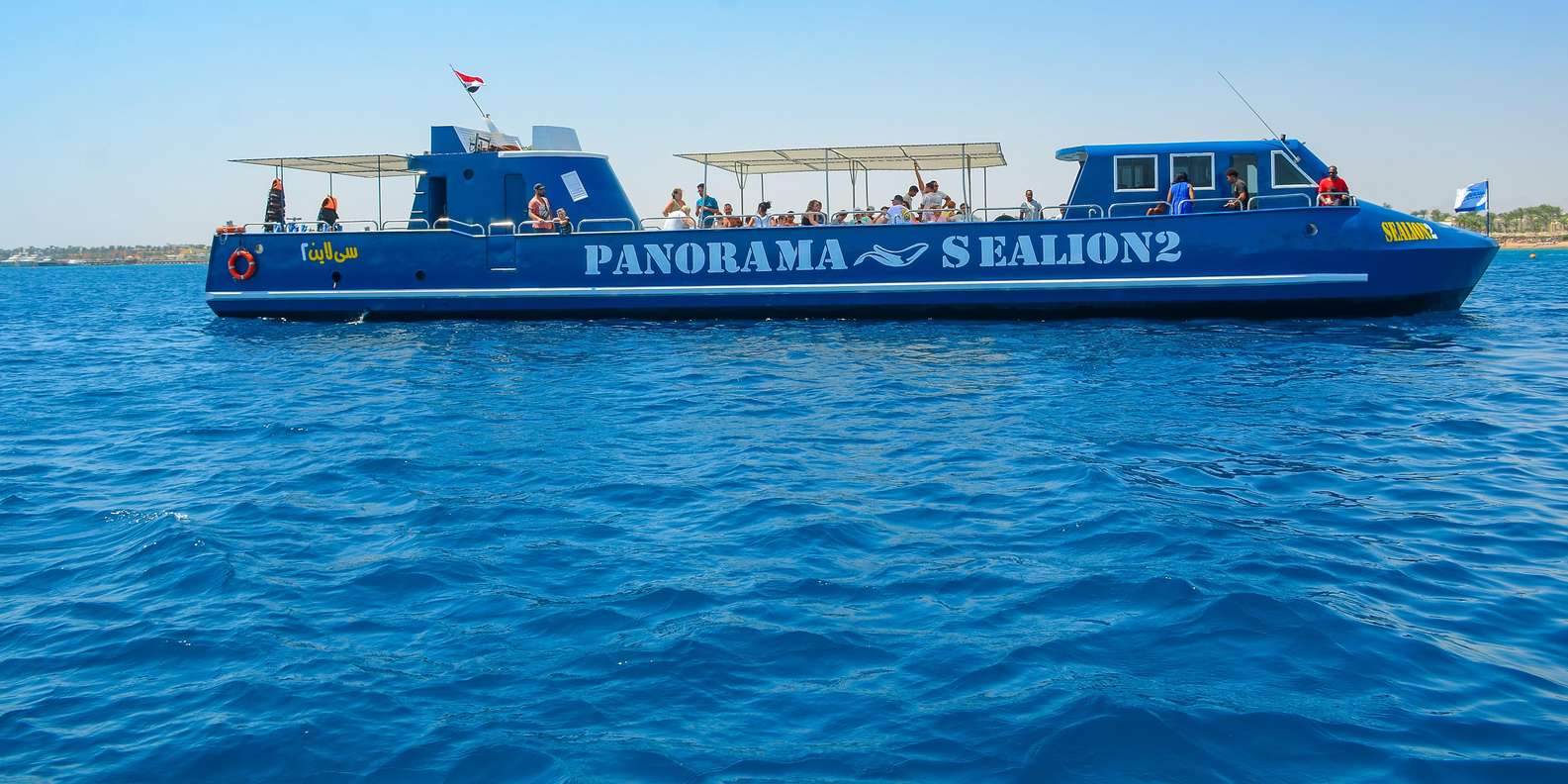
Safaga/Makadi Bay: Panorama Submarine & Snorkelling

What Makes This Experience Unique

.

Where to Do It

.
From Hurghada: Orange bay Snorkeling Cruise with Lunch

Best Time / Conditions

.

What to Expect

Most boats run 30–60 minutes to moored reefs, where guides brief “no touch, no take,” proper finning, and entry from ladders or jetties to avoid coral. Expect shallow coral gardens (2–10 m) with clownfish, butterflyfish, and the odd turtle; listen for reef etiquette reminders and follow in-water guides for safe routes.

Hurghada: Orange Bay & Ozirea Island with Breakfast & Lunch

Who This Is For

If you love color, calm water, and learning by doing, this is your lane—families, first-time snorkelers, photographers, and seasoned divers who value reef etiquette. Travelers who care about local livelihoods will appreciate how small choices—like using refill bottles or choosing moored boats—directly benefit coastal communities.

Booking & Logistics

. For pelagic encounters, a respectful.

Sustainable Practices

Book moored boats; wear long-sleeve swim gear and minimal reef-safe zinc; master neutral buoyancy; keep fins up; never touch or stand on coral; don’t feed fish; give turtles and dolphins space; carry a refillable bottle; pack out all waste; support community guides and conservation fees.

FAQs

These quick answers align your wanderlust with conservation. They focus on the most common real-world dilemmas travelers face—sunscreen, wildlife distance, and guiding kids—so you can make reef-friendly choices without sacrificing the magic of the Red Sea. Share them with your group before you board the boat.

Which sunscreen is safest for the reefs?

Start with coverage: rash guards and leggings reduce lotion use by 80–90%. If you need sunscreen, choose non-nano zinc oxide, apply 30 minutes before swimming, and avoid oxybenzone, octinoxate, and sprays. Better yet, time boat entries after absorption and reapply on deck, not in the water.

How close can I get to turtles or dolphins?

Give turtles at least 5 meters and never block their path to breathe. For dolphins, remain on the boat unless invited to drift calmly by guides; no chasing, diving down, or flash photography. If animals change direction or speed, you’re too close—back off and float quietly.

What are kid-friendly reef rules that actually work?

Make it a game: “Superman arms, bicycle-free legs” prevents fin kicks; “Look, don’t touch” keeps hands off coral; “Bubbles only” stops fish feeding. Use pool noodles for buoyancy, practice mask clearing in shallow water, and enter from ladders or jetties to avoid fragile shore coral.

.
Part of:
Ultimate Red Sea Diving Guide 2026: Sharm, Hurghada & Beyond

Related Tours

Find more travel inspiration

Egypt 14-Day Itinerary: Ultimate Cairo to Red Sea Trip Plan
May 23, 2026Egypt 14-Day Itinerary: Ultimate Cairo to Red Sea Trip Plan
by Oriana Findlay
Egypt 10-Day Itinerary: Cairo, Luxor, Aswan & Red Sea 2026
May 22, 2026Egypt 10-Day Itinerary: Cairo, Luxor, Aswan & Red Sea 2026
by Oriana Findlay
Hurghada Boat Tours: Which One Is Right for You? 2026 Guide
May 21, 2026Hurghada Boat Tours: Which One Is Right for You? 2026 Guide
by Oriana Findlay

FAQs about Protect the Red Sea Reefs: 10 Traveler Habits in Egypt

Start with coverage: rash guards and leggings reduce lotion use by 80–90%. If you need sunscreen, choose non-nano zinc oxide, apply 30 minutes before swimming, and avoid oxybenzone, octinoxate, and sprays. Better yet, time boat entries after absorption and reapply on deck, not in the water.

Give turtles at least 5 meters and never block their path to breathe. For dolphins, remain on the boat unless invited to drift calmly by guides; no chasing, diving down, or flash photography. If animals change direction or speed, you’re too close—back off and float quietly.

Make it a game: “Superman arms, bicycle-free legs” prevents fin kicks; “Look, don’t touch” keeps hands off coral; “Bubbles only” stops fish feeding. Use pool noodles for buoyancy, practice mask clearing in shallow water, and enter from ladders or jetties to avoid fragile shore coral.