
Q1: How much does a PADI Open Water course cost in Egypt? A1: A PADI Open Water course in Egypt costs approximately €375 on average, with packages ranging from €340 to €436 depending on destination, whether PADI eLearning is included, and whether training is done by boat or from shore (PADI Travel, 2026; Scubadore Hurghada, 2026; Dahab Divers Lodge, 2026). The cheapest headline price is not always the cheapest final bill — marine park fees, private transfers, lunch, logbook, and equipment upgrades are frequently charged separately.
Q2: What is the minimum age for PADI Open Water in Egypt? A2: The minimum age is 10 years old for Junior Open Water Diver, while standard Open Water certification applies from age 15 (PADI, 2026). Junior depth limits are lower for the youngest divers, but the full Open Water certification depth limit is 18 meters worldwide once qualified and age-eligible.
Q3: Do you need to be a strong swimmer to do the course? A3: You do not need to be a competitive swimmer, but you must be comfortable in water and pass the swim requirements: 200 meters without aids or 300 meters with mask, fins, and snorkel, plus a 10-minute float or tread (PADI, 2026). Non-swimmers should not rush into certification in Egypt just because warm water makes it look easy.
Q4: Which Red Sea destination is best for beginners? A4: Dahab is the most schedule-stable beginner base because shore entries eliminate harbor delays and boat logistics, while Hurghada and Sharm offer more boat-based options and resort convenience (based on local dive operations and 2,000+ verified review patterns). El Gouna suits travelers wanting shorter transfers and a quieter resort layout, while Marsa Alam works best for reef-focused travelers staying longer than 4 nights.
Q5: What is the best month to learn to dive in Egypt? A5: March to May and September to November offer the best balance of air temperature, sea temperature, and visibility across the Egyptian Red Sea (PADI Travel; Liveaboard.com; Emperor Divers, 2025). Winter is still diveable, but January and February can feel cold after multiple training dives.
Q6: Is PADI certification earned in Egypt valid worldwide? A6: Yes. A PADI Open Water Diver certification issued in Egypt is globally recognized and allows you to dive up to 18 meters with a buddy, subject to local rules and experience limits (PADI, 2026).
Q7: Shore diving or boat diving — which is better for a beginner course in Egypt? A7: Shore-based training, most common in Dahab and Marsa Alam house reefs, offers faster daily starts, lower motion sickness risk, and higher schedule reliability. Boat-based training, standard in Hurghada and Sharm, gives broader site variety but adds harbor logistics, earlier wake-up times, and weather sensitivity that can delay or reschedule dives.
Quick Summary
- Egypt is one of the most efficient places in the world to get certified: Red Sea water stays diveable year-round, visibility typically runs 20 to 40 meters, and training prices are lower than in most of Western Europe (Liveaboard.com; regional operator pricing, 2026).
- A standard PADI Open Water course includes theory, confined water training, 4 open water dives, a medical questionnaire, swim and float tests, and certification to 18 meters worldwide (PADI, 2026).
- Realistic all-in pricing in Egypt is €360 to €520 once common extras are added, even if the advertised package starts at €340 (PADI Travel; Scubadore Hurghada; Dahab Divers Lodge, 2026).
- Best beginner bases: Dahab for shore stability, Hurghada for broad hotel supply, El Gouna for compact resort logistics, Sharm for polished dive infrastructure, Marsa Alam for quieter reef access.
- Never book your outbound flight immediately after your final training dive. DAN guidance is 12 hours after a single no-decompression dive and 18 hours after repetitive or multi-day diving; most Red Sea operators advise a full 24 hours for holiday divers (DAN, 2026).
- The best value course is not the lowest sticker price. Check max student-to-instructor ratio, whether eLearning is included, transfer radius, full equipment condition, oxygen on boat, and verified review volume.
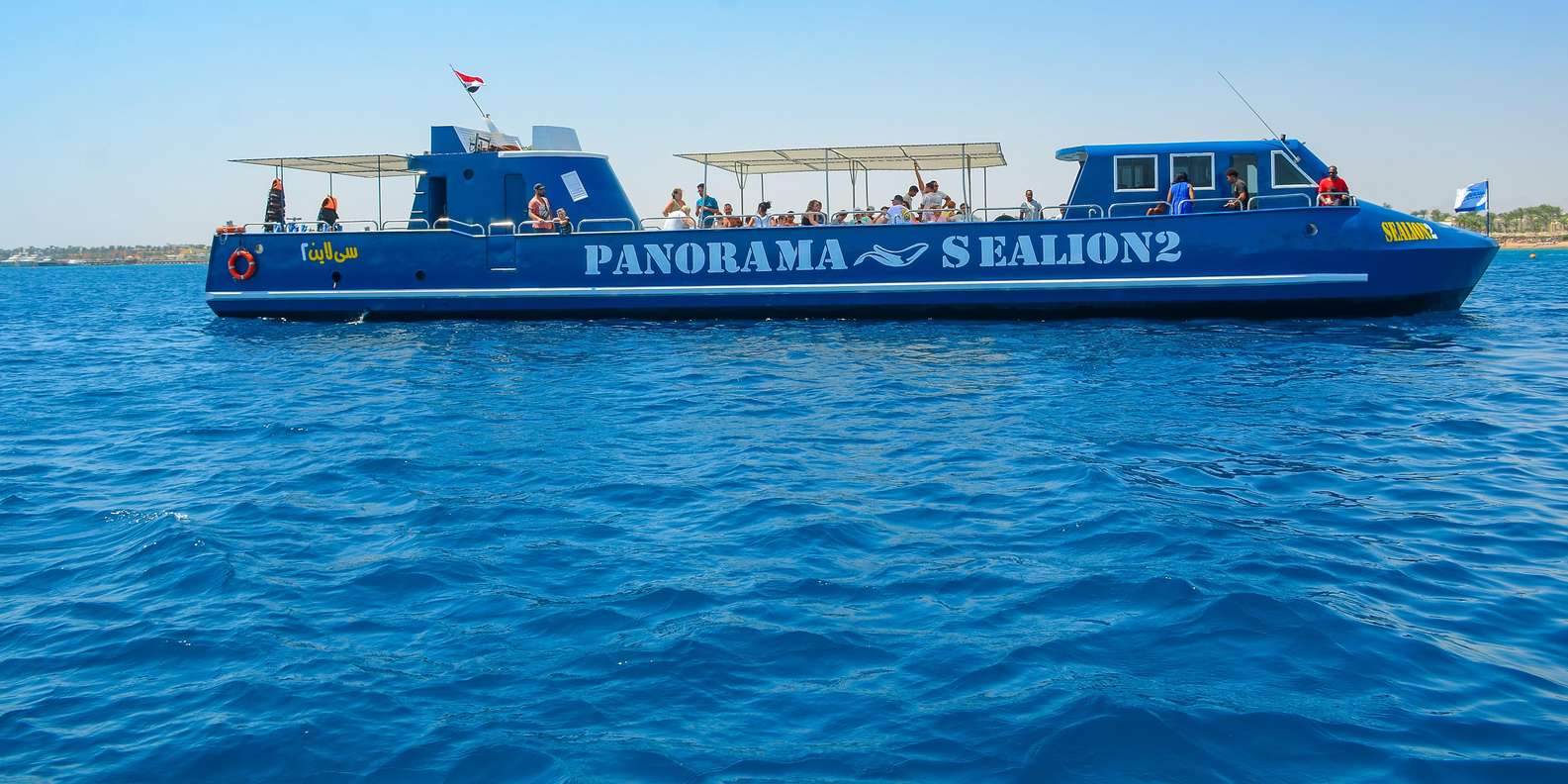
What the PADI Open Water Course in Egypt Includes
The PADI Open Water Diver course in Egypt follows the same core international standard as anywhere else: knowledge development, confined water skills, and 4 open water dives (PADI, 2026). What changes in Egypt is the training format — some centers use pools, some use sheltered lagoons or house reefs, and others combine pool work with boat days.
You should expect these core elements:
- Theory via PADI eLearning or classroom sessions
- Confined water sessions covering mask clearing, regulator recovery, buoyancy basics, and emergency drills
- 4 open water qualification dives
- Medical questionnaire before in-water training
- Swim assessment and floating/treading assessment
- Final certification after successful completion
Theory and eLearning
Most Egyptian dive centers now sell the course in two parts:
- PADI eLearning completed before arrival
- In-water training completed in resort
Confined Water and Pool Work
Confined sessions typically take place in:
- A swimming pool
- A shallow lagoon
- A calm house reef
- A sheltered shore entry zone
Open Water Dives
The course requires 4 open water dives. In Egypt, these are typically completed as:
- 2 dives on day 2 and 2 dives on day 3
- Or spread over days 3 and 4 in a slower schedule
- Or extended to 5 days for families, nervous beginners, or winter conditions
Destination Comparison: Where to Learn in the Red Sea
Egypt's five strongest beginner bases are Hurghada, Sharm El Sheikh, Marsa Alam, El Gouna, and Dahab. The best choice depends on your transfer tolerance, whether you prefer shore or boat training, and how much schedule certainty you need.
| Destination | Average OW Package Price | Transfer Time from Airport | Typical Training Environment | Seasonality | Best For |
|---|---|---|---|---|---|
| Hurghada | €390 | 15–30 min | Pool + day boat + sheltered reefs | Strong year-round; windy in winter/spring | First-timers staying in resorts |
| Sharm El Sheikh | €395 | 15–25 min | Pool + boat diving + resort house reefs | Excellent in spring/autumn; wind can affect boats | Travelers wanting polished resort infrastructure |
| Dahab | €375 | 60–90 min from Sharm airport | Shore dives + sheltered bays | Very reliable year-round; shore access reduces delays | Nervous beginners, short-stay travelers |
| El Gouna | €390 | 35–45 min from Hurghada airport | Pool + boat trips + lagoons | Best Mar–Nov; winter still viable | Couples and quieter upscale stays |
| Marsa Alam | €385 | 20–60 min depending on hotel | House reef + shore + some boat days | Excellent reef quality; best with longer stays | Reef-focused travelers, quieter holidays |
Price references are based on current public listings from PADI Travel Hurghada at US$436, Scubadore Hurghada at €340, and Dahab Divers Lodge at €375, plus comparable Red Sea center pricing in 2026 (PADI Travel, 2026; Scubadore Hurghada, 2026; Dahab Divers Lodge, 2026).
Hurghada
Hurghada is the volume leader for entry-level diving in mainland Red Sea Egypt. It has the broadest hotel range, the largest boat fleet, and easy airport access in 15 to 30 minutes.
It suits travelers who want:
- Wide package choice
- Competitive prices
- Resort pickups included
- A classic "learn on holiday" setup
Sharm El Sheikh
Sharm has mature dive infrastructure and strong multilingual instruction. It works well for travelers combining beach resorts with diving, especially in Naama Bay, Sharks Bay, and Nabq.
The trade-off is similar to Hurghada:
- More boat dependence
- More moving parts
- Potential delays from wind or harbor restrictions
Dahab
Dahab is the most beginner-efficient base for many travelers because shore entries eliminate logistical friction. Lighthouse Bay and nearby calm sites make it easier to keep training on schedule when day boats elsewhere are cancelled or delayed.
It suits:
- Nervous beginners
- Travelers prone to seasickness
- People with only 4 to 5 nights in Egypt
- Families wanting lower-pressure training days
El Gouna
El Gouna benefits from a compact, orderly resort layout and shorter, more predictable local transfers than larger urban resort strips. The dive experience feels less hectic than central Hurghada, though site access often still relies on boats.
Marsa Alam
Marsa Alam is not always the easiest short-break certification base, but it excels for travelers staying 5 to 7 nights. House reefs and quieter coastal hotels produce a calmer training environment than larger resort hubs.

PADI vs SSI Open Water in Egypt
For most travelers, both PADI and SSI lead to the same outcome: an entry-level scuba certification recognized by dive centers around the world. In Egypt, the real difference is usually shop quality, instructor ratio, and schedule design — not the logo on the card.
| Factor | PADI Open Water | SSI Open Water | What Matters on a Red Sea Holiday |
|---|---|---|---|
| Global recognition | Highest global brand recognition | Very widely recognized globally | Both accepted almost everywhere |
| Digital learning | Strong eLearning ecosystem | Strong app-based digital learning | Both work well before arrival |
| Course structure | Standardized PADI format | Flexible academic sequencing | PADI may feel more familiar to first-timers |
| Price in Egypt | Usually €375–€436 | Often €320–€420 | SSI can be slightly cheaper at some centers |
| Referral flexibility | Excellent global referral network | Also good, shop-dependent | Important if finishing in another country |
| Traveler perception | More requested by name | Often chosen through local center recommendation | PADI wins on search demand and resale confidence |
If you are booking a short Red Sea trip, choose the center first and the agency second. A well-run SSI school with a 4:1 ratio is usually a better choice than a cheap PADI course with overcrowded groups and hidden fees.
Full Cost Breakdown in Egypt
Open Water pricing in Egypt is highly fragmented. One operator includes lunch, transfers, gear, and digital materials; another advertises a low headline rate and adds 5 to 7 separate charges afterward.
| Cost Item | Typical Charge in Egypt | Often Included? | Notes |
|---|---|---|---|
| Course tuition / instruction | €200 | Yes | Main teaching component |
| PADI eLearning / materials | €210 | Sometimes | PADI states approx. US$230 if bought direct |
| Full equipment rental | €30 | Sometimes | Mask, fins, BCD, regulator, wetsuit, tank, weights |
| Marine park / reef fees | €10 per day | Often no | More common on boat-based days |
| Logbook | €15 | Often no | Some centers use digital logs only |
| Certification processing fee | €20 | Usually yes | Often bundled today |
| Hotel transfers | €10 per day | Sometimes | Remote hotels pay more |
| Lunch on boat day | €8 per day | Sometimes | Shore-based courses may not include lunch |
| Nitrox add-on | €100 | No | Not needed for beginners |
| Private instructor supplement | €170 total | No | Useful for anxious students or families |
A realistic all-in PADI Open Water spend in Egypt is €360 to €520 once common extras are added, even if the advertised package starts at €340 or €375 (PADI Travel, 2026; Scubadore Hurghada, 2026; Dahab Divers Lodge, 2026).
What a Cheap Course Often Leaves Out
Watch for these commonly excluded items:
- PADI eLearning
- National park or reef tax
- Equipment rental
- Hotel pickups outside a narrow resort zone
- Boat lunch and drinks
- Private guide surcharge
- Certification card or logbook
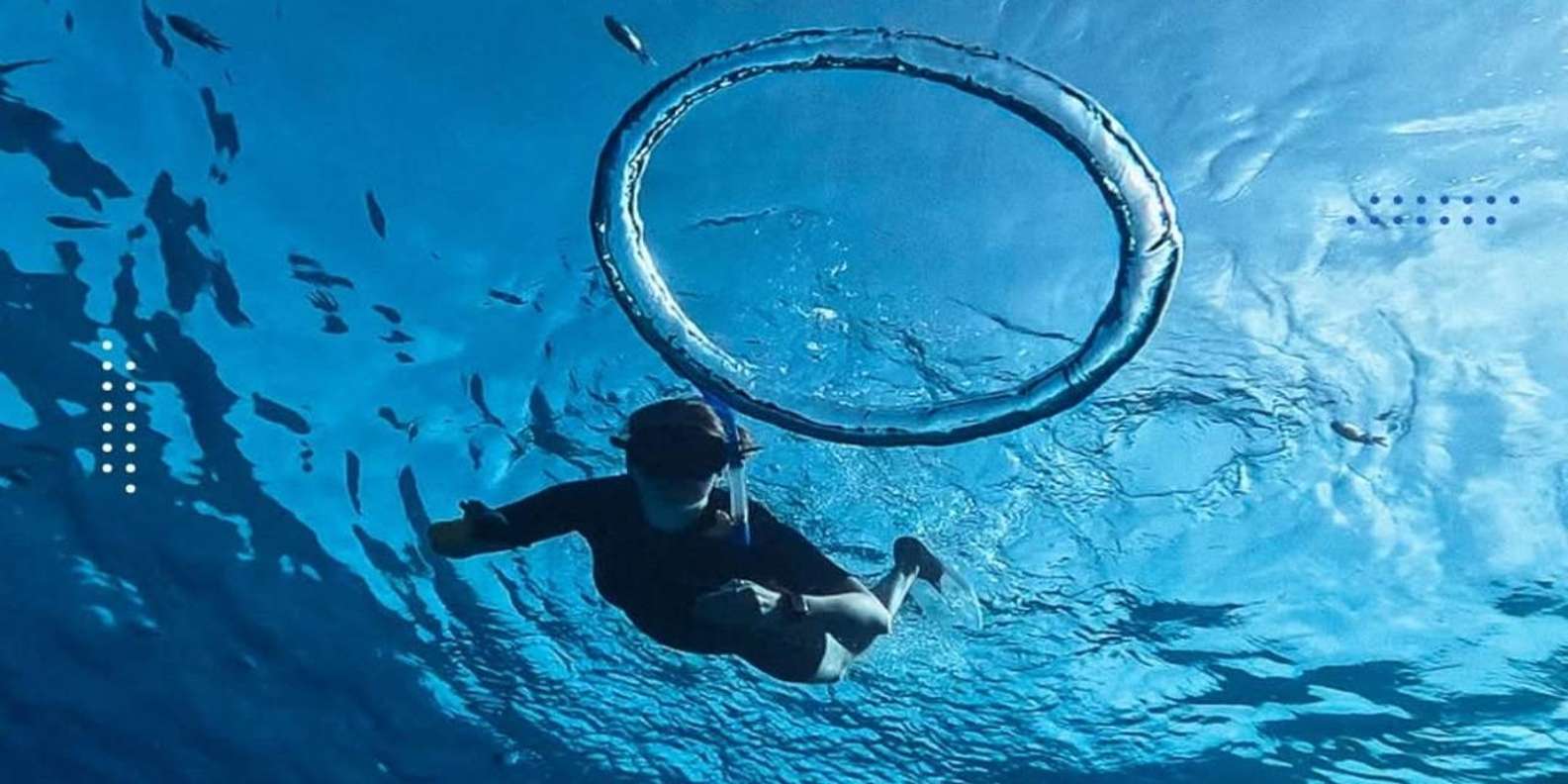
Realistic Course Schedules in Egypt
A 3-day course is possible in Egypt, but only when theory is completed in advance, conditions are good, and the student is comfortable in water. For most first-time divers, a 4-day plan is the smarter booking window.
| Schedule | Best For | Typical Daily Structure | Open Water Dives | Confined Sessions | Notes |
|---|---|---|---|---|---|
| 3 days | Confident swimmers with eLearning done | Day 1 confined + skills, Day 2 dives 1–2, Day 3 dives 3–4 | 4 | 1–2 blocks | Fast but feasible in calm conditions |
| 4 days | Most travelers | Day 1 theory review + confined, Day 2 skills + dive 1, Day 3 dives 2–3, Day 4 dive 4 | 4 | 2–3 blocks | Best balance of pace and retention |
| 5 days | Families, nervous beginners, winter bookings | Slower spread with more practice and longer surface intervals | 4 | 3–4 blocks | Most comfortable option |
| 4 days shore-based | Dahab travelers, seasickness-prone students | Day 1 theory + shallow skills, Day 2 confined + dive 1, Day 3 dives 2–3, Day 4 dive 4 + certification | 4 | 2–3 blocks | Removes harbor and boat logistics entirely |
| 5 days family pace | Children aged 10–14, anxious adults | One skill block per day, extra surface time, no rushing | 4 | 4 blocks | Highest comfort and retention for young divers |
Boat-Based 4-Day Example
- Day 1: paperwork, medical check, swim test, confined skills
- Day 2: skill refinement, open water dives 1 and 2
- Day 3: open water dives 3 and 4
- Day 4: buffer day for weather, review, optional fun dive
Shore-Based 4-Day Example in Dahab
- Day 1: theory review and shallow-water skill work
- Day 2: confined progression and open water dive 1
- Day 3: open water dives 2 and 3
- Day 4: open water dive 4, debrief, certification processing
Red Sea Conditions by Month
The Egyptian Red Sea is diveable all year, but comfort shifts materially by season. For beginner training, the sweet spot is March to May and September to November, when you get warmer water, good visibility, and fewer cold post-dive surface intervals.
| Month | Avg Air Temp °C | Avg Sea Temp °C | Visibility Range (m) | Typical Wetsuit | Beginner Suitability |
|---|---|---|---|---|---|
| January | 21 | 22 | 15–25 | 7 mm or 5 mm + hood | Good for motivated beginners |
| February | 22 | 21 | 15–25 | 7 mm or 5 mm + hood | Fair to good |
| March | 24 | 22 | 18–30 | 5 mm | Very good |
| April | 28 | 23 | 20–30 | 5 mm or 3 mm | Excellent |
| May | 32 | 26 | 20–35 | 3 mm | Excellent |
| June | 34 | 27 | 20–35 | 3 mm | Excellent |
| July | 36 | 28 | 20–35 | 3 mm or shorty | Very good, hot on surface |
| August | 37 | 29 | 20–30 | 3 mm or shorty | Very good, hottest month |
| September | 34 | 28 | 20–35 | 3 mm | Excellent |
| October | 31 | 27 | 20–35 | 3 mm | Excellent |
| November | 27 | 25 | 18–30 | 5 mm or 3 mm | Very good |
| December | 23 | 24 | 15–25 | 5 mm | Good |
These figures synthesize published Red Sea seasonal guidance showing water temperatures of 21 to 29°C and visibility typically 20 to 40 meters, with spring and autumn marked as the best overall periods (PADI Travel; Liveaboard.com; Xplorer Red Sea; Dive Hurghada weather pages, 2025–2026).
Shore Diving vs Boat Diving Training in Egypt
This is one of the most important booking differences in Egypt, and many first-time divers overlook it. The training format affects cost, time efficiency, motion comfort, and completion risk.
| Factor | Shore-Based Training | Boat-Based Training |
|---|---|---|
| Common in | Dahab, Marsa Alam house reefs | Hurghada, Sharm, El Gouna |
| Daily logistics | Faster start, fewer moving parts | Earlier starts, harbor procedures |
| Motion sickness risk | Much lower | Moderate for first-timers |
| Typical cost | Often lower | Often higher due to boat operations |
| Weather sensitivity | Lower | Higher |
| Site variety | Lower | Higher |
| Schedule reliability | Higher | Lower in windy conditions |
For anxious beginners, shore diving is often the better first certification format. For travelers who want the classic Red Sea boat day and broad reef variety, boat training can be rewarding but requires more patience with logistics.
Motion Sickness Matters More Than Most Course Brochures Admit
A student who is nauseous before dive 1 will not learn mask skills efficiently. If you know you get seasick, Dahab's shore-entry format or a house-reef setup in Marsa Alam is usually a better fit than a full day-boat schedule out of Hurghada.
Local Insights from Hurghada-Based Operators
Local operators know that not all delays are "bad weather." In Hurghada and Sharm, day boats can be slowed by marina departure queues, coast guard checks, afternoon chop, or harbor restrictions even on days that look perfectly sunny from the hotel beach. This is why short-stay travelers often complete their courses faster and with less stress in shore-oriented locations like Dahab — you remove the longest variables: marina transfer, loading windows, harbor permissions, and return-time uncertainty.
A second insight that rarely appears in course brochures: the north winds that arrive in winter and early spring can make the boat ride to a training site far rougher than the underwater conditions themselves. A student may encounter a calm, clear reef at 6 meters but arrive there exhausted and nauseous after a 40-minute surface crossing. Experienced Hurghada instructors often recommend booking a private or semi-private course in these months specifically to allow flexible departure timing — leaving earlier in the morning before the wind builds, rather than joining a group boat on a fixed schedule.
One more operational point that matters for every traveler: never schedule your outbound flight immediately after your final training dive. DAN's current consensus guidance recommends a minimum 12-hour surface interval after a single no-decompression dive and 18 hours after repetitive or multi-day dives, while most Red Sea centers advise 24 hours to give holiday divers a larger safety margin (DAN, 2026).
Beginner-Friendly Marine Life and Training Sites
Egypt stands out because beginners do not train in empty water. Even on entry-level dives, it is common to see coral gardens, clownfish, blue-spotted stingrays, moray eels, and turtles at beginner-friendly sites in the right season and location (based on standard Red Sea site profiles and local dive routing).
Good beginner training sites include:
- Abu Ramada area reefs near Hurghada
- Giftun area sheltered reefs
- Lighthouse Bay in Dahab
- Sheltered house reefs at Marsa Alam resorts
- Calm reef slopes in El Gouna and Sharm training zones
- Hard and soft coral density even at shallow depth
- Warm, clear water with visibility typically 20 to 40 meters
- Strong fish life from 5 to 12 meters
- Good color and contrast without needing advanced depth
- Memorable wildlife encounters on standard beginner dives
Who Should Not Rush Into Certification
Egypt makes certification look easy because the water is warm and visibility is forgiving. That does not mean every traveler should force a 3-day Open Water course into a short holiday.
Slow down or reconsider if you are:
- Not comfortable swimming 200 meters
- Unable to float or tread for 10 minutes
- Struggling with sinus congestion or ear equalization
- Booking for a child aged 10 to 11 who is barely water-confident
- Choosing solely on the cheapest price
- Trying to finish the course the morning before a flight
How to Choose a Dive Center in Egypt
Most poor course experiences in Egypt are not caused by the Red Sea. They are caused by weak operations. You can avoid nearly all of them with concrete screening criteria.
The Operating Standards That Matter
Look for:
- Max student-to-instructor ratio of 4:1 for true beginners
- Recent equipment servicing records
- Properly sized BCDs and wetsuits for children and smaller adults
- Emergency oxygen on boat and at dive center
- Crew briefings and boat safety orientation
- Valid dive-center insurance and staff professional status
- Clear pickup radius and surcharge policy
- At least several hundred verified reviews, not just a handful of perfect ratings
- Language availability confirmed in advance
- Transparent inclusions list provided in writing before payment
Review Volume Beats Star Rating Alone
A center with 4.8/5 from 2,300+ verified reviews is usually a safer indicator than 5.0/5 from 37 reviews. Review volume shows consistent operational scale rather than a short burst of feedback, and it is one of the most reliable trust signals available to travelers booking remotely.
Questions to Ask Before Booking
- Is PADI eLearning included?
- Are all rental items included?
- Are marine park or reef fees extra?
- Is lunch included on boat days?
- What is the exact instructor ratio?
- Are confined sessions in a pool, lagoon, or open sea?
- Is there a 24-hour no-fly recommendation after the course?
- Is free cancellation available up to a clear cutoff time?
- Are reviews verified by a third-party platform?
Best Destination by Traveler Type
The best Red Sea base is not universal. It changes with your trip length, confidence in water, and tolerance for transfers.
- Best overall for resort convenience: Hurghada
- Best for shore-based schedule stability: Dahab
- Best for polished resort infrastructure: Sharm El Sheikh
- Best for quieter upscale stay: El Gouna
- Best for reef-focused slower trips: Marsa Alam
Is Egypt a Good Place to Get Certified?
Egypt is one of the strongest Open Water destinations in the world. It combines warm water, strong visibility, globally recognized agency standards, and relatively low course pricing in one short-haul package for Europe and a manageable long-haul option for many other markets.
Its main weakness is that high-volume destinations can tempt travelers into choosing by price alone. The best Egypt Open Water course is the one with transparent inclusions, a realistic pace, a low instructor ratio, and enough buffer before your flight home.
Final Verdict
If you want maximum schedule reliability and low stress, choose Dahab. If you want the broadest range of resort stays, boats, and package options, choose Hurghada. If you want a polished resort base with mature dive infrastructure, choose Sharm El Sheikh.
For most travelers, the smartest Egypt booking is a 4-day PADI Open Water package with eLearning completed before arrival, a max 4:1 student ratio, all equipment included, clear transfer terms, and a flight home at least 18 to 24 hours after the final dive (PADI, 2026; DAN, 2026).
Sources
- PADI (Professional Association of Diving Instructors). Open Water Diver course standards, minimum age requirements, depth limits, and swim assessment criteria. padi.com, 2026.
- DAN (Divers Alert Network). Flying after diving guidelines: minimum surface intervals after no-decompression and repetitive dives. diversalertnetwork.org, 2026.
- Egyptian Tourism Authority. Red Sea destination overview and regional tourism data. egypt.travel, 2025–2026.
- PADI Travel. Hurghada Open Water Diver course listing, US$436 package price. paditravel.com, 2026.
- Scubadore Hurghada. PADI Open Water course listing, €340 package price. scubadore.com, 2026.
- Dahab Divers Lodge. PADI Open Water course listing, €375 package price. dahabdiverslodge.com, 2026.
- Liveaboard.com. Red Sea seasonal diving conditions and visibility data. liveaboard.com, 2025–2026.
- Emperor Divers. Red Sea seasonal guide and monthly conditions overview. emperordivers.com, 2025.
- Xplorer Red Sea. Monthly water temperature and visibility reference data. 2025–2026.


