
Red Sea Liveaboard Diving: Growing Adventure Demand
The rising demand for liveaboard diving safaris in the Red Sea isn’t a passing trend—it’s a practical response to what divers want right now: more time underwater, fewer long boat rides from shore, and access to remote reefs that day trips rarely reach. A liveaboard turns the Red Sea into a floating dive camp, letting you wake up already near the first briefing and end the day with a night dive under the stern lights. This article breaks down what’s driving the surge, where to go from key Routri gateways, the best seasons and conditions, what a typical week looks like, and how to plan responsibly.
What Makes This Experience Unique
Liveaboards in Egypt are built around efficiency. Instead of spending 2–4 hours a day commuting to offshore sites, you typically anchor near the reef and dive it in multiple time windows—early morning, late morning, afternoon, and often at night. That rhythm matters on the Red Sea, where current, light angle, and diver traffic can change how a site feels from one dive to the next.
The other difference is variety. A well-designed itinerary strings together reef types—steep walls, coral gardens, pinnacles, and open-water crossings—so you can see everything from schooling fusiliers and batfish to turtles, eagle rays, and (season permitting) oceanic whitetips. You also get more chances for “small stuff”: cleaner shrimp, nudibranchs, leaf fish, and the kind of macro life that day boats often rush past.
Finally, liveaboards make it easier to dive the Red Sea’s farther-off marine protected areas. Routes that include offshore reefs or the deep south are simply more comfortable and reliable when your “hotel” moves with you. That’s a big reason demand has grown among both repeat visitors and divers upgrading from resort-based packages in Hurghada, El Gouna, Sharm El Sheikh, and Marsa Alam.

Where to Do It
Hurghada & El Gouna (North & Central Red Sea access): These are major departure points for northern routes and mixed itineraries. They’re convenient for combining a liveaboard week with a few resort days in Hurghada or El Gouna, and they suit divers who want classic reefs plus the option of wreck-focused days depending on the route and conditions.
Safaga, Soma Bay, Makadi Bay, Sahl Hasheesh (Central coast staging): These areas sit close to well-known reef systems and are practical if you’re already staying on the mainland coast. Safaga is often used as a jumping-off point for routes that balance reefs and offshore drop-offs, while Soma Bay and nearby resort zones are easy for pre- or post-safari hotel nights.
Marsa Alam (Deep South focus): Marsa Alam is the natural hub for southern itineraries, especially if you’re aiming for long coral gardens, more remote reefscapes, and wide-open pelagic chances. It’s also a strong choice for divers who prefer a quieter shoreline scene before boarding compared with busier hubs further north.
Sharm El Sheikh & Dahab (Sinai side): Sharm El Sheikh is the classic gateway to Sinai diving and routes shaped by the Straits of Tiran and nearby marine parks (where permitted and appropriate for the itinerary). Dahab is better known for shore diving and relaxed town life, but it pairs well with a liveaboard week if you want a few extra days of diving, cafés, and easy logistics on the Sinai coast.
Best Time / Conditions
Red Sea liveaboards run year-round, but the “best” months depend on what you want to see and how you feel about water temperature and wind. In general, summer brings warmer water and long daylight hours, while winter can bring stronger winds and choppier crossings—especially in more exposed offshore areas.
Water temperature: Expect roughly 22–24°C in winter and 27–30°C in late summer, with noticeable differences between north and south and between shallow lagoons and deeper walls. Many divers are comfortable in a 5 mm wetsuit in shoulder seasons; in winter, a 7 mm (or layered setup) is common for repeated dives over multiple days.
Visibility and currents: Visibility often sits in the 15–30 m range, but it varies with wind, plankton, and site exposure. Current can be mild on sheltered gardens and very real on pinnacles and channels; this is why guides emphasize negative entries, staying close to the reef, and using an SMB where required. If you’re prone to seasickness, windier months are still doable—just plan accordingly with medication and cabin choice.

What to Expect
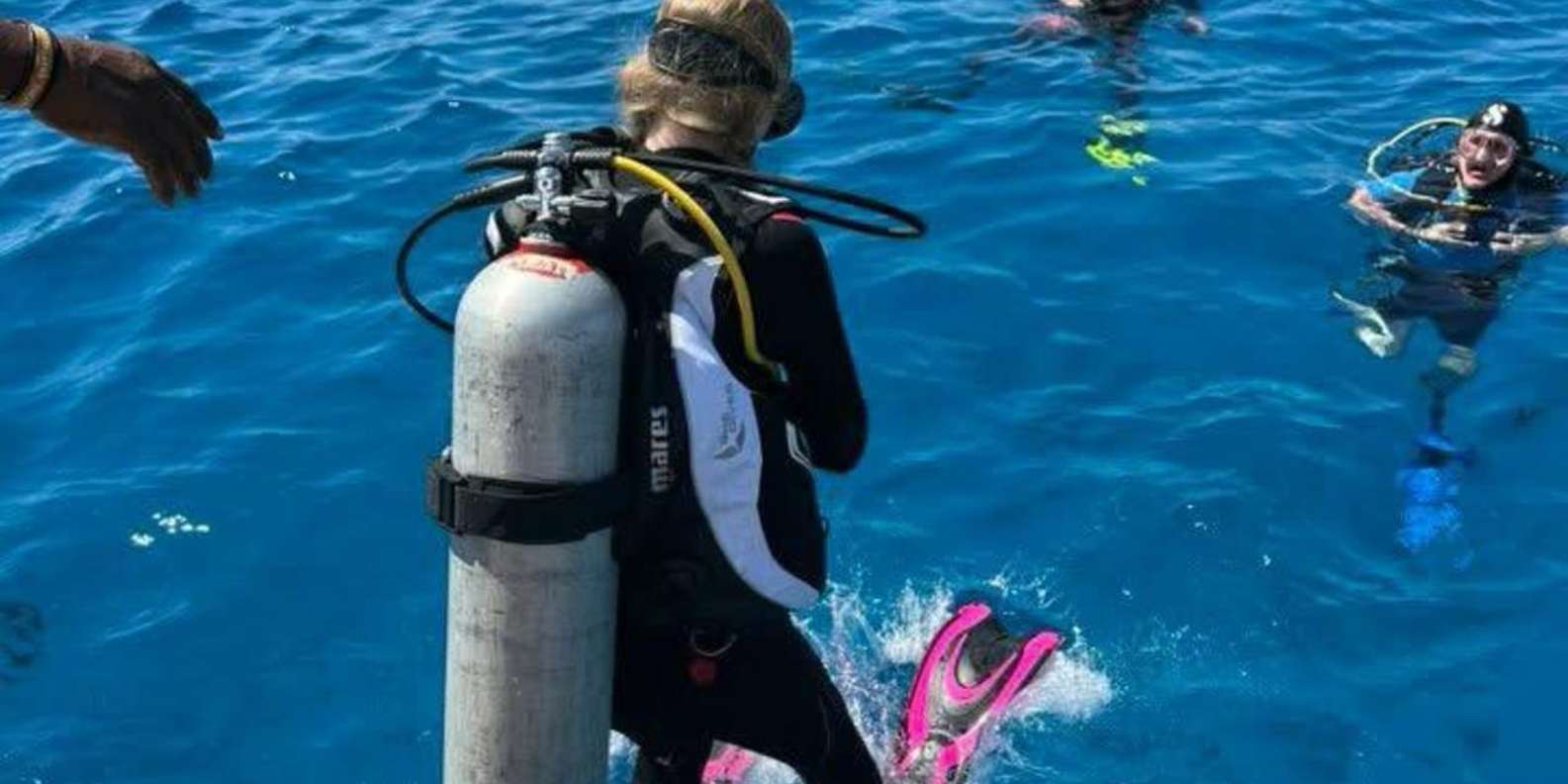
A typical liveaboard day starts with an early briefing and the first dive when the light is soft and the reef is quiet. You’ll often do 3 dives per day, with an optional night dive when conditions allow. Between dives, the pace is simple: rinse gear, log dives, eat, nap, repeat.
Most boats run a structured safety routine: check dives, buddy procedures, roll call, and clear protocols for current dives and surface signaling. If you haven’t deployed a surface marker buoy (SMB) in a while, it’s worth practicing before the trip. On some itineraries, blue-water ascents and drifting away from the reef are a real possibility, so a calm, methodical approach matters more than raw experience numbers.
Underwater, expect classic Red Sea scenes: hard coral terraces, gorgonian fans on steeper faces, and anthias clouds over the reef crest. Common sightings across many routes include napoleon wrasse, titan triggerfish (give them space in nesting season), moray eels, turtles, and schooling snappers. Night dives shift the cast—hunting octopus, Spanish dancers, and crustaceans working the coral heads under torchlight.
Who This Is For
Liveaboards suit divers who want repetition and range—multiple dives a day across several reef systems rather than a single signature site. If you enjoy a routine built around diving and don’t mind being away from shore for several days, you’ll likely love the format.
They also work well for mixed groups. Less experienced divers can often choose more conservative dive profiles, while advanced divers can focus on deeper walls, current management, and refined buoyancy. That said, some routes and sites are better for intermediate-to-advanced divers because of current, depth, or exposure; it’s smart to pick an itinerary that matches your comfort level rather than chasing the most “famous” name.
Non-divers generally won’t get much from a liveaboard week unless the boat explicitly caters to them. If someone in your group doesn’t dive, a resort stay in El Gouna, Hurghada, Makadi Bay, Sahl Hasheesh, or Soma Bay usually makes more sense, with day trips for the divers.
Booking & Logistics
Start by choosing your departure area and the style of itinerary you want: northern reefs, mixed routes, or deep south. From Routri gateways like Hurghada, Marsa Alam, and Sharm El Sheikh, it’s often easy to pair transfers with a hotel night before boarding—useful if your flight arrives late or you want buffer time for gear checks.
What’s typically included: accommodation on board, meals and snacks, tanks and weights, dive guides, and a set number of dives. What varies: equipment rental, nitrox availability, marine park or port fees, and certain specialty dives. Because inclusions differ by operator and route, read the trip notes carefully and pack to avoid last-minute surprises.
What to bring: reef-safe sunscreen, a hat for the sun deck, a light jacket for windy evenings, seasickness medication if you’re sensitive, and spares like mask strap, fin strap, and O-rings. For diving, a DSMB and spool are strongly recommended; a compact torch improves any dive and becomes essential for night diving. If you rely on a dive computer, bring a spare battery or a backup unit where possible.
The rising demand for liveaboard diving experiences safaris in the Red Sea reflects a growing appreciation for immersive, well-organized marine adventures. With access to world-class dive sites, comfortable vessels, and a focus on sustainability, liveaboards offer a compelling option for divers of all backgrounds. Whether you are planning your first safari or returning for another Red Sea expedition, it’s essential to choose a reputable operator and consider your ideal itinerary. To explore available options, browse our latest Red Sea liveaboard tours or gain further insights by reading another blog post on Red Sea diving experiences. Your next underwater adventure awaits in the heart of Egypt’s marine paradise.
Sustainable Practices
Liveaboards can reduce pressure on heavily trafficked day-boat sites by spreading diving across a wider area, but only when operators follow strict mooring and waste practices. Prioritize boats that use established moorings instead of dropping anchor on reef, brief divers clearly on buoyancy and finning, and enforce no-touch/no-take rules.
Onboard habits matter too. Use refillable water bottles, avoid single-use plastics where possible, and rinse gear efficiently—freshwater is precious in coastal regions. Underwater, keep excellent trim over coral heads, maintain distance from turtles and reef sharks, and let photographers work without surrounding an animal.
If you’re choosing between similar itineraries, lean toward operators that talk openly about waste handling, wastewater management, and reef etiquette. The Red Sea’s hard corals and sea fans can take years to recover from one careless kick, and the best trips are the ones where everyone returns with great dives and the reef looks the same after you leave.
FAQs
How many dives do you usually get on a Red Sea liveaboard?
Most Red Sea liveaboards schedule around 3 dives per day, with night dives offered when conditions and the itinerary allow. Over a typical week, that often totals roughly 15–20 dives, depending on weather, crossings, and any non-diving travel days. The exact number varies by operator and route.
Do I need advanced certification for a Red Sea liveaboard?
Not always, but some routes include sites with current, deeper walls, or more exposed conditions that are better suited to intermediate-to-advanced divers. Many operators accept Open Water divers if they have recent experience and are comfortable with buoyancy and basic procedures like controlled ascents. If a route expects deep dives or challenging currents, advanced training and a solid logbook help.
What marine life is most common on liveaboard routes?
Across many routes you can expect reef fish density—anthias, butterflyfish, parrotfish, and surgeonfish—plus regular sightings of moray eels, turtles, and napoleon wrasse. Pelagic encounters like eagle rays or reef sharks depend heavily on season, site choice, and conditions. Night dives add a different layer, with octopus, hunting lionfish, and active crustaceans.
What’s the best season for liveaboard diving in the Red Sea?
Late spring through early autumn generally offers warmer water and calmer conditions, which many divers prefer for long dive days. Winter can still be excellent, but water temperatures are cooler and wind can increase surface chop during crossings. The best season for you depends on your temperature tolerance and whether you’re prioritizing comfort, visibility, or specific wildlife chances.
What should I pack for a liveaboard week?
Pack light layers for evenings, sun protection for the deck, and seasickness medication if you’re sensitive. For diving, bring a DSMB and spool, a reliable torch (especially if night dives are planned), and small spares like mask and fin straps. If you use a dive computer, a backup plan is wise because you’ll be diving multiple days in a row.


