
Red Sea Reset: New Source Markets, Higher Values, Tougher Choices
Quick Summary: As European mainstays meet GCC weekenders, Eastern European families, adventure divers, and eco‑luxury seekers, spend is rising and expectations are greener. The Red Sea must protect reefs, spread demand, and upgrade access to turn growth into lasting value.
At sunrise, airport queues tell the story: technical divers with gear trolleys, GCC couples on weekend escapes, and European families swapping theme parks for reefs. By 2026–2026, the Red Sea has become a live laboratory where rising spend meets rising responsibility. Resorts celebrate fuller calendars; managers debate carrying capacity. The question is no longer if demand will come—but how to steward it without losing the seascape that draws it.
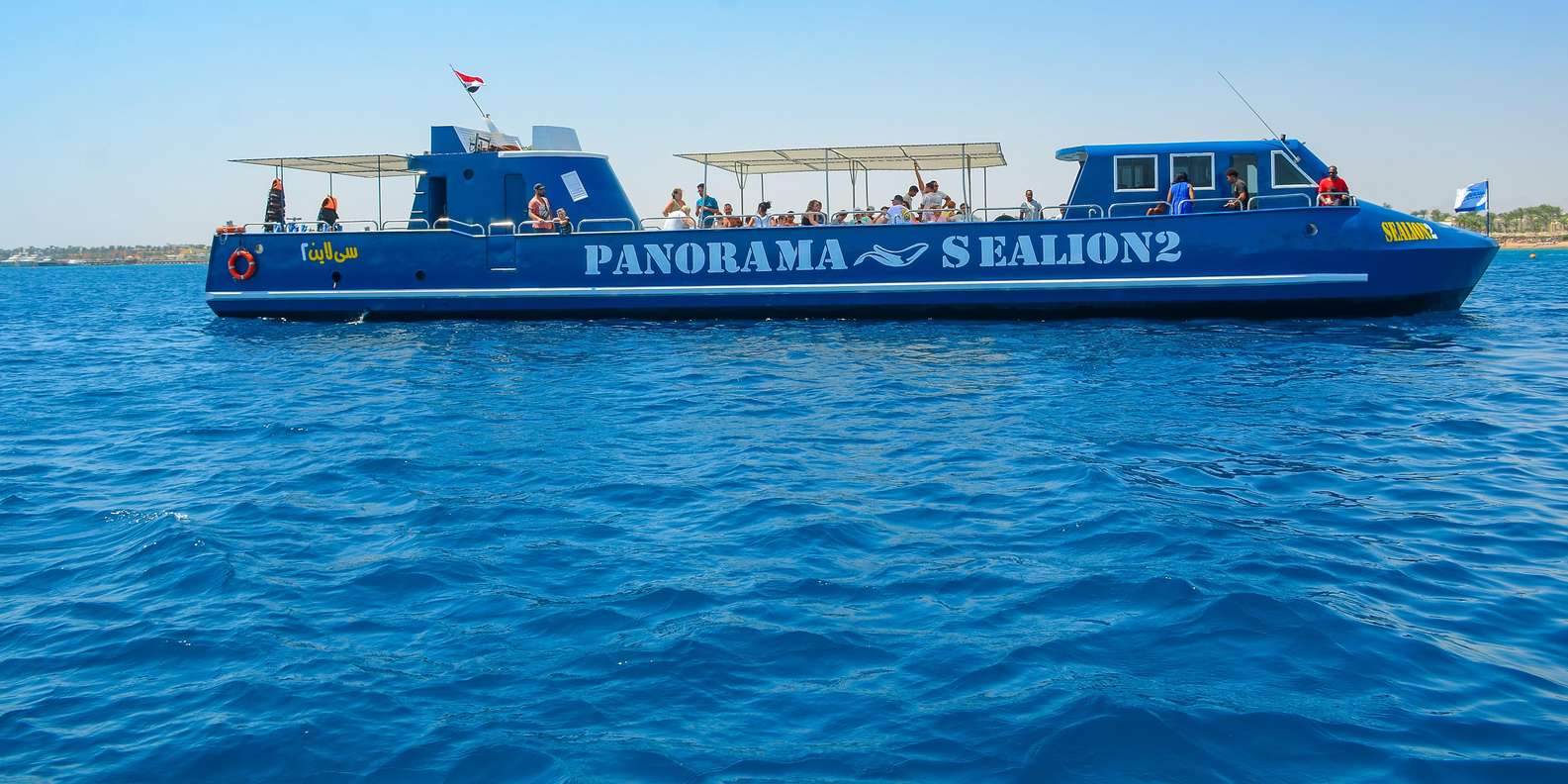
What Makes This Experience Unique
The Red Sea is a rare convergence of easy access, translucent water, and world‑class reefs meeting a fast‑diversifying audience. Travelers want carbon‑savvy trips, traceable sourcing, and credible conservation, yet still expect seamless service. That tension is turning itineraries into policy pilots, where reef‑safe habits, zoning, and yield management visibly shape the experience.
Where to Do It
Choose hubs based on your travel persona. Families and snorkeling toursers thrive in Hurghada’s sheltered reefs and marina day boats—start with the Hurghada travel guide for a calibrated overviewHurghada travel guide. For a slower, community vibe with shore dives and desert backdrops, Dahab remains a standout at human scaleDahab travel guide. Farther south, Marsa Alam rewards patience with turtles and quieter house reefs.

Best Time / Conditions
Shoulder seasons bring value and calmer sites: late spring and October–November typically pair 20–26°C air with 24–28°C sea temperatures, while mid‑summer peaks can reach 29°C water. Winter delivers excellent visibility and cooler breezes. Plan popular sites early, and use afternoon slots for beginner‑friendly lagoons with gentler current patterns.
What to Expect
Expect a mosaic of travelers and price points: weekenders from the Gulf, long‑stay Europeans, Eastern European families, and specialist divers. Visibility often tops 20–30 meters; recreational depths center on 18–30 meters, with drop‑offs beyond 100 meters at famed walls. Cairo–Hurghada flights run about one hour, simplifying sea‑and‑city combos.

Who This Is For
Adventure divers hunting drift walls and blue water, eco‑luxury couples seeking reef‑adjacent privacy, wellness travelers designing spa‑and‑snorkeling tours resets, and families learning the sea together—the Red Sea now fits them all. It also works for time‑poor travelers aiming for high yield in short stays, provided logistics are pre‑arranged.
Booking & Logistics
Anchor your plan around fewer moves and smarter transfers; see these Cairo to Red Sea route tips for practical combosCairo to Red Sea route tips. Build a culture day via a private Hurghada city tour when winds pick upprivate Hurghada city tour. For marina‑side leisure and canals, pair reef days with an El Gouna city tour to diversify spend without adding flightsEl Gouna city tour.
Sustainable Practices
Choose operators limiting group sizes, mooring over anchoring, and briefing reef etiquette. Pack zinc‑free, reef‑safe sunscreen and low‑shed rash guards. Favor properties with water treatment and renewable inputs; shortlists of credible stays start with these eco‑lodges on the Red Sea coasteco‑lodges on the Red Sea coast. Spend directly with local guides and crafts to retain value coastal‑side.
FAQs
First‑time visitors often ask how the traveler mix is changing, whether reefs can handle growth, and what a high‑value short break looks like. Below, we address the fastest‑growing source markets, on‑the‑ground conservation practices, and a four‑day plan that balances reef time with culture and community benefits.
Which source markets are growing fastest?
Traditional European mainstays remain strong, while Central and Eastern Europe add family volume. GCC travelers are rising in premium weekend segments, favoring easy‑access resorts and private services. You’ll also meet wellness and nature‑led guests upgrading from simple beach stays to conservation‑minded itineraries with fewer moves and higher local spend.
How are reefs being protected while tourism grows?
Operators increasingly use fixed moorings, cap group sizes, and stagger entries at sensitive pinnacles. Park authorities tighten zoning; guides enforce “no‑touch, no‑chase” protocols. Visitor education, reef‑safe sunscreens, and boat waste controls now shape daily practice. The emerging focus: spreading demand to suitable sites while resting over‑used ones.
What’s a smart 4‑day high‑value itinerary?
Day 1: arrival, lagoon snorkeling tours, marina dinner. Day 2: early boat to a moored reef, late spa. Day 3: culture‑forward city tour, Bedouin craft market, sunset shore dive. Day 4: half‑day island or coastal hike, then airport. Keep transfers minimal and pre‑book small‑group boats to protect time and reefs.
The Red Sea is proving that better tourism, not just more tourism, secures its future. Choose reef‑first operators, stay longer in fewer places, and favor community‑anchored experiences. From Hurghada’s marinas to Dahab’s shoreline cafes, your choices can turn clear water and living coral into a lasting regional advantage.


