
Volunteer on Hurghada’s Reefs: Hands-On Coral Restoration in the Red Sea destinations
Quick Summary: Turn a beach break into impact. Train with Red Sea destinations conservation teams, maintain coral nurseries at 5–8 m, and outplant fragments on recovering reefs near Hurghada. Expect real skills, clear water, and visible results—meaningful travel you’ll remember long after your tan fades.
Morning light lifts off the Red Sea destinations as your boat clears the marina in Hurghada. Instead of chasing another insta-perfect sandbar, you’re gliding toward a living classroom: a coral nursery where Egyptian conservationists teach you to steady your breath, steady your buoyancy—and give a reef a fighting chance to recover.

What Makes This Experience Unique
Unlike a standard dive day, coral restoration volunteering pairs adventure with measurable outcomes. You learn to clean nursery lines, map sites, and safely outplant fragments onto prepared substrates. Clear Red Sea destinations visibility—often 20–30 meters—lets you witness change immediately, from algae-free corals “breathing easier” to fish returning as complex structures start to re-form.
Where to Do It
Projects run along the Greater Hurghada coast: city marinas, the lagoons and house reefs of El Gouna to the north, and protected zones edging the Giftun Islands. Short boat hops—typically 20–60 minutes—reach nursery tables at 5–8 meters and nearby outplant sites around 8–12 meters, sheltered enough for focused, low-stress skills practice.

Best Time / Conditions
The Red Sea destinations is reliably diveable year-round. Expect water temperatures of about 22–24°C in winter and 27–29°C in late spring to autumn. Winter brings calmer boats and attentive instruction; late spring to fall offers warmer, longer sessions. Light morning winds and slack tide windows are favored for precise tasks and stable buoyancy.
What to Expect
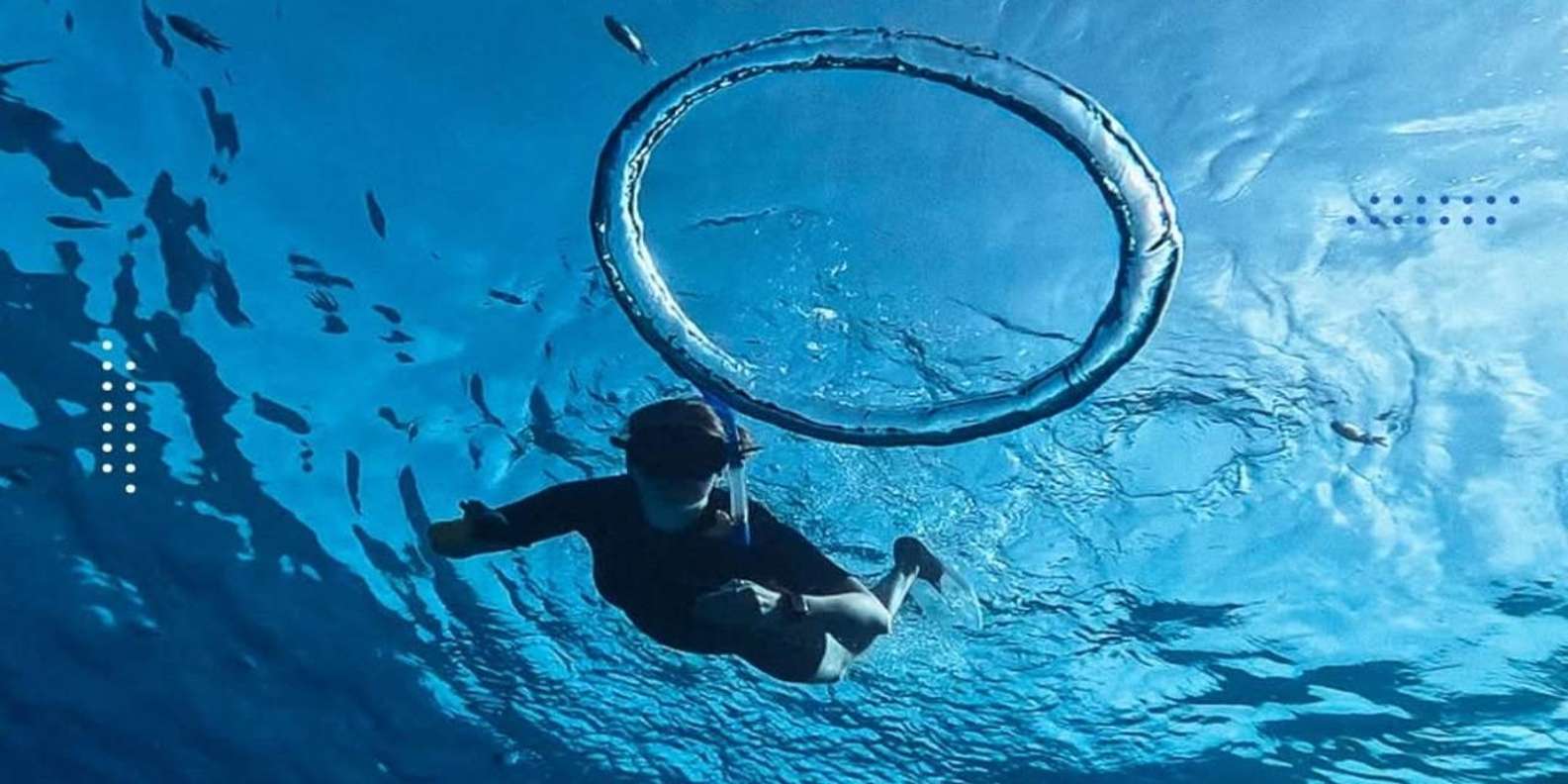
A typical day starts with reef-ecology and safety briefs, then an in-water buoyancy tune-up. Dive one: gentle nursery maintenance—removing algae, re-tagging lines, photographing growth. Surface interval: data logging and technique refreshers. Dive two: micro-outplanting or monitoring at 8–12 meters, using reef-safe epoxy and low-contact procedures. Expect small teams, patient mentoring, and clear role assignments.
Who This Is For
Ideal for certified divers comfortable in the water and curious about marine science. Strong finning control and trim matter more than deep experience; many programs accept Open Water with recent dives, while some request Advanced or 20+ logged dives. Non-divers can often help topside with data, tags, and citizen-science image sorting.
Booking & Logistics
Look for operators who pair training with hands-on action, not just talks. If you’re new to the area, start with a simple Hurghada scuba dive day to refresh buoyancy. Then choose accredited teams or highly reviewed outfits—see this roundup of the best diving centers in Hurghada. Build in two to three days so you can progress from nursery care to outplanting.
Sustainable Practices
Quality programs follow low-contact protocols, use mooring buoys, and cap group sizes. They favor heat-tolerant genotypes, track survivorship, and avoid sensitive spawning windows. In the Giftun marine area, operators stress minimal anchoring and leave-no-trace day trips—read more in Giftun’s conservation story for context on how visitor behavior shapes reef recovery.
FAQs
Coral restoration volunteering blends science, diving experiences skills, and teamwork. Below are the essentials travelers ask most—certifications, time commitment, and safety. The short answer: come prepared to learn carefully sequenced tasks, keep expectations realistic, and celebrate incremental wins. Reef recovery is a marathon; your contribution supports steps that add up.
Do I need a scuba certification to volunteer?
Most in-water roles require at least Open Water certification and recent dives proving solid buoyancy. Some programs prefer Advanced or a minimum of 20 logged dives. Non-divers can still contribute on deck with data logging, labeling, photography, and education support—important tasks that free divers to focus underwater.
How many days should I allocate, and what will I actually do?
Plan two to three days to progress from orientation to practical work. Day one usually covers buoyancy checks and nursery cleaning. Day two often adds measurements and photo-monitoring. By day three, many volunteers assist with micro-outplanting at 8–12 meters, supervised by staff who handle delicate substrate preparation.
Is it safe for reefs—and for me?
When properly supervised, these programs reduce harm by minimizing anchor damage, removing algal competitors, and increasing coral cover. For volunteers, risks mirror calm, shallow diving experiences with tools: mind situational awareness, maintain trim, and follow briefings. Good operators limit group sizes and halt tasks if conditions deteriorate.
Giving back to the Red Sea destinations makes every later dive feel richer. Between city reefs and the calm lagoons of El Gouna, you’ll see how careful methods and consistent effort translate into fishier, brighter sites—and why protecting them matters as much as visiting them.


