
Hamata & Berenice: Liveaboard Diving Where the Red Sea Still Breathes
Quick Summary: Egypt’s deep south swaps resort bustle for a frontier rhythm: liveaboards into Fury Shoals, Sataya’s dolphin lagoon and coral-thick gardens, with mangroves and empty beaches on shore. Expect pristine reefs, relaxed itineraries, reliable visibility, and a conservation-first pace of discovery.
Push beyond Egypt’s familiar hubs and the Red Sea softens into silence. From Hamata’s modest harbor, boats slip toward the Fury Shoals—a scatter of lagoon-pocked reefs, coral gardens and swim-throughs where visibility often holds 20–40 meters and anthias pour over bommies like flame. Night falls black, stars burn bright, and the sea feels unhurried again.
What Makes This Experience Unique
Down here, it’s space: uncrowded moorings, untouched coral heads, and slow itineraries that favor fewer sites done well. Liveaboards stitch Sataya, Abu Galawa and Claudio into mellow days, often totaling 18–20 dives per week on calm seas. For planning, scan the best Red Sea liveaboard routeshere, then match boats to your comfort and experience.

Where to Do It
Hamata is the jumping-off point for Fury Shoals; Berenice lies still further south with a sleepy, back-of-beyond energy. Many divers stage through Marsa Alam for transfers, provisions, and light-gear shopping. On land, mangrove-framed flats and empty beaches fringe the coast, while offshore lagoons shelter beginner-friendly sites beside deeper, fishier drop-offs.
Best Time / Conditions
Conditions are kindest from April to November, with water hovering roughly 24–30°C and a prevailing northerly breeze. Winter brings cooler seas and stronger winds; summer bakes topsides but keeps currents gentle inside lagoons. Many reefs here offer broad 5–15 m plateaus; outer walls can step swiftly beyond 30–40 m, so pick profiles wisely.
What to Expect
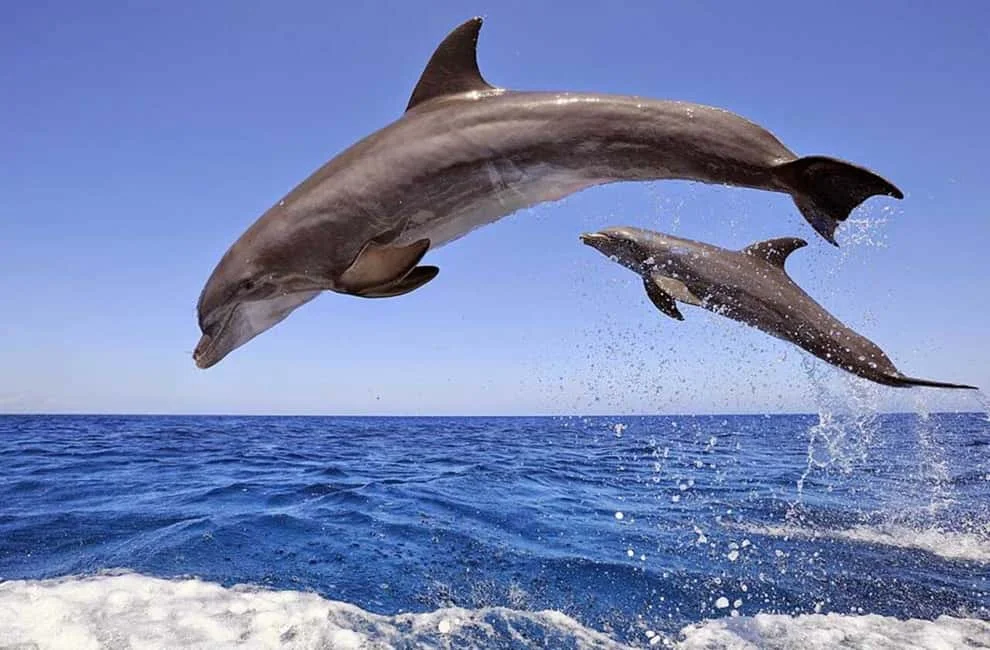
Expect long reef terraces, boomerang lagoons, playful swim-throughs, and occasional dolphin encounters at Sataya. Gardens brim with hard corals, glassfish and cruising jacks; turtles graze, and night dives bloom with hunting lionfish. Non-divers fare well too: book a Hamata & Qulaan Islands snorkeling trip or drift easy over shallow reefs on glassy mornings.
Who This Is For
Confident beginners and intermediates love the protected lagoons, easy entries and predictable visibility; advanced divers can hunt current-swept corners and shadowy caverns. Photographers find wide-angle bliss at 8–18 m, while macro shooters stalk shrimps and blennies in surge-protected nooks. Families or mixed-ability groups thrive on flexible liveaboard days split between gentle and more adventurous sites.
Booking & Logistics
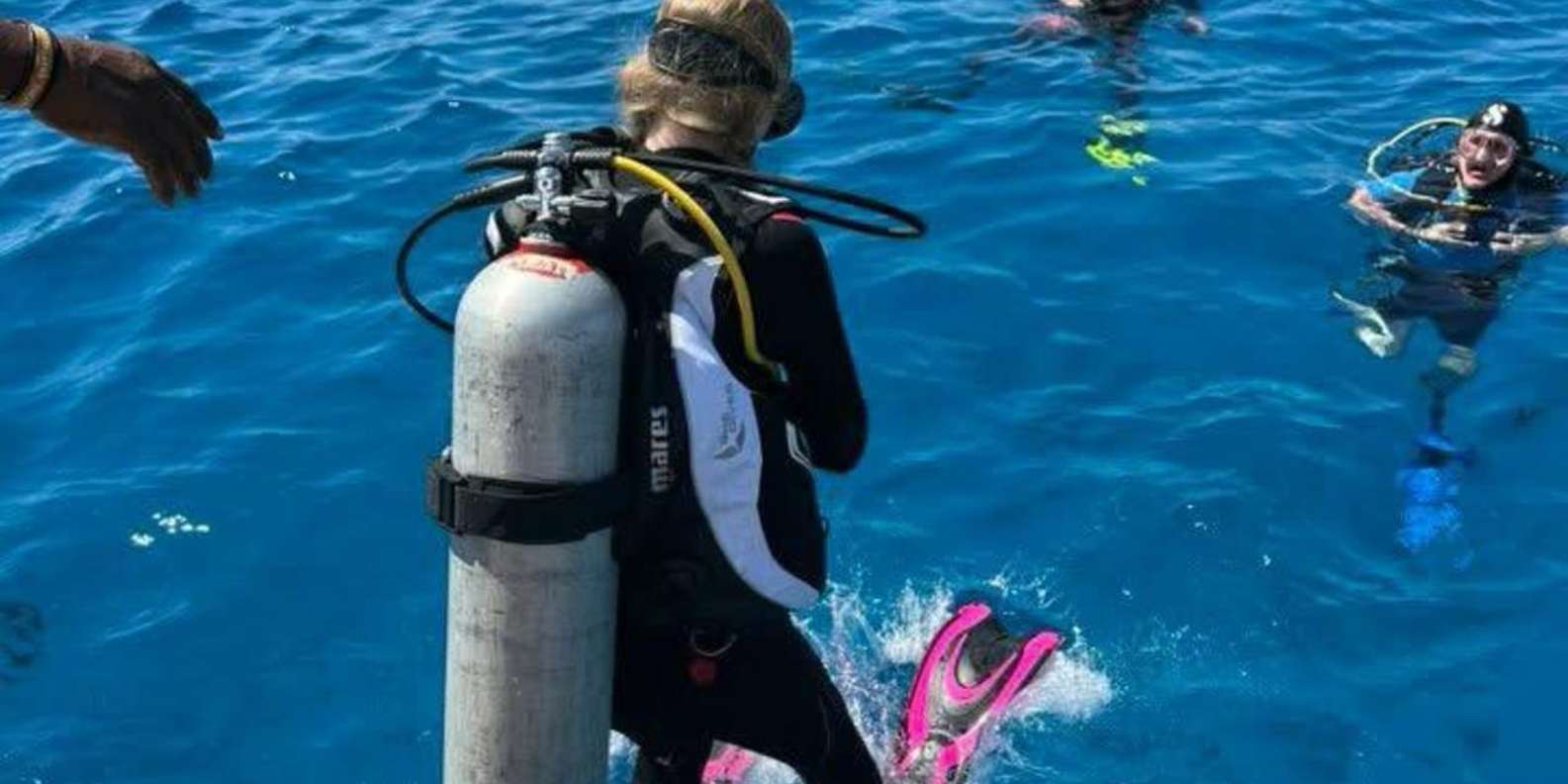
Most boats depart Hamata; allow 2.5–3 hours by road from Marsa Alam Airport, or 5–6 hours if routing via Hurghada. Choose vessels with shaded deck space, camera rinse tanks, nitrox, and tenders for split-level groups. Weekly itineraries typically run Saturday–Saturday, with 3–4 dives on peak days; bring a 3–5 mm suit depending on season and personal tolerance.
Sustainable Practices
The south’s magic is its intactness—help keep it that way. Pick operators that limit moorings, brief buoyancy, and avoid dolphin pressure at Sataya. On shore, explore Wadi El Gemal National Park with certified guides, respect mangroves, and pack out every trace. When snorkeling, choose quieter windows; these reefs are among the snorkeling hotspots of the Red Seafor good reason.
FAQs
Planning here is simpler than it looks: think liveaboard first, day boats second, and pick months for your thermal comfort. Visibility is consistently generous, currents are manageable inside lagoons, and anchorages are calm. Non-divers? You’ll still find glassy snorkels, sandbar picnics, and mangrove walks that reward unhurried mornings.
How difficult are Fury Shoals dives for newer divers?
Many Fury Shoals sites are gentle: broad hard-coral slopes at 5–15 m with minimal surge. Your crew can tuck into leeward sides or shallow lagoons, keeping current light. Briefings emphasize buoyancy and spacing around swim-throughs like Claudio. Save wall edges and channels for later in the week as confidence grows.
What marine life is realistic to see on a short trip?
Count on healthy reef scenes: anthias, fusiliers, goatfish, cornetfish, turtles and occasional blue-spotted rays. At Sataya, spinner dolphins sometimes rest in the lagoon—but never guaranteed. Night dives spark with hunting lionfish and Spanish dancers. Pelagics are rarer than mid-Red Sea offshore seamounts, yet jacks and barracuda patrol frequently.
Liveaboard or land-based—what’s the smarter choice here?
Liveaboards win for unrushed circuits, sunrise entries and emptier moorings, squeezing 18–20 dives into a week. Land stays suit mixed groups and snorkelers, pairing day boats with beach downtime and mangrove walks. If seas are breezy, flexible itineraries help—captains can pivot to protected lagoons to keep conditions comfortable.
Egypt’s deep south rewards patience: fewer horns, more horizon. Plan a quiet week offshore, then decompress along mangroves and beaches before looping back via Marsa Alam; if you’re mixing routes northward, study the season’s liveaboard patterns and match them to your pace. Down here, discovery is measured in long breaths and lingering light.


