
Where Safety Meets Wonder: Family Diving in Egypt’s Red Sea
Quick Summary: Gentle bays, pro instructors, and wildlife-rich reefs turn the Red Sea into a living classroom. From first mask-clears to shallow reef cruises, families build confidence safely while spotting clownfish, turtles, and rays in clear, warm water.
Dawn gilds the Red Sea like liquid glass as your crew idles outside a sheltered reef. A guide kneels at eye level with your youngest, practicing mask clearing on the swim step. Minutes later, you’re finning over patch reefs in 1–3 m of water, spotting butterflyfish while a safety float bobs within reach of the boat—classic Hurghada family magic. Across the gulf, Sharm El Sheikh adds dramatic walls and silky drifts—carefully curated for juniors.
What Makes This Experience Unique
The Red Sea combines beginner-friendly conditions—20–30 m visibility, warm water from roughly 22–29°C—with pro‑level guiding and short boat transfers that suit kid attention spans. Calm bays become outdoor classrooms where children learn simple skills beside clownfish and parrotfish, while parents rediscover wonder. Safety standards are high, yet wildlife encounters come surprisingly close to the surface.

Where to Do It
For confidence-building snorkels and first dives, Hurghada’s Giftun Islands deliver powdery beaches, protected moorings, and vivid coral gardens 2–6 m deep. In Sinai, families pair shallow sandbars with vibrant drifts on a Ras Mohammed & White Island boat day. Dahab’s shore entries suit snorkelers; the Blue Hole’s inner rim is scenic from the surface, while technical depths are for experts only.
Best Time / Conditions
Spring and autumn deliver the sweet spot: warm seas, gentle winds, and mellow currents. Summer brings bathtub‑warm water (often 27–29°C) but plan morning starts before afternoon breezes. Winter is cooler (around 22–24°C) yet clear, with many family trips running year‑round. Expect 30–60 minutes by boat to near‑shore reefs; departures favor calmer early windows.

What to Expect
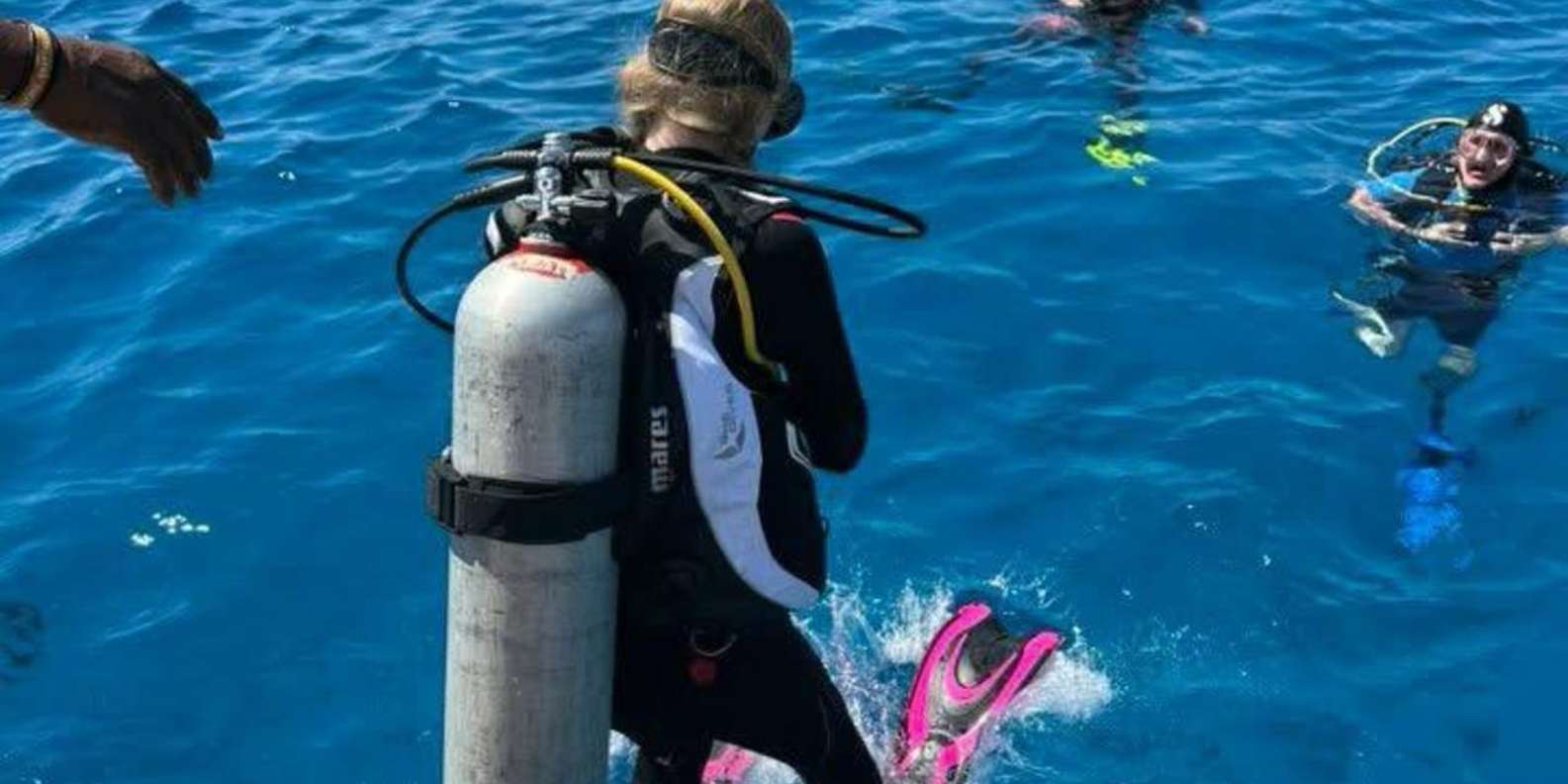
Most family days blend two guided snorkel stops with a calm beach break or sandbar picnic. Intro scuba dives for older kids and parents usually follow strict ratios, shallow profiles (about 5–12 m), and a kneel‑and‑breathe skill check before swimming. In Hurghada, see our kid‑paced sandbar snorkel days for easy entries, tow floats, and fish‑ID fun.
Who This Is For
Water‑curious families, multi‑generational groups, and parents seeking screen‑free learning thrive here. Confident swimmers enjoy effortless reefs; total beginners get structured, hands‑on coaching. Teens hungry for progression can add buoyancy workshops or a first certification track, while younger siblings snorkel nearby. Thinking beyond the resort? Dahab’s relaxed vibe and shore‑based sessions are a smart entry—see our Dahab diving guide.
Booking & Logistics
Choose operators with child‑sized wetsuits, shorty options, and prescription masks. Ask about safety kit (oxygen, radio, AED), guide ratios (1:2–1:4 for intro dives), and shaded deck space. Typical schedules: hotel pickup, 45–90 minutes sailing, two water sessions, and a relaxed lunch. Junior certifications often start around age 10; younger kids can snorkel confidently with vests and floats.
Sustainable Practices
Model good habits: no touching, chasing, or feeding fish; keep kicks high to avoid coral. Use reef‑safe sunscreen or wear rash guards to cut chemical load. Support park rules—moorings over anchoring—and operators who brief respectfully and log wildlife sightings. Refill bottles onboard, and teach kids “look, don’t lift” with shells so tomorrow’s divers find the same magic.
FAQs
Family Red Sea days are shaped around safety briefings, skill‑building in shallow water, and short sessions that keep energy high. Warm seas and clear visibility reward patience: the more calmly you move, the more life approaches. Boats carry floats and spare gear, and most crews are adept at turning small wobbles into big wins.
Is scuba safe for kids who are brand new?
Yes—when it’s the right program. Intro dives stick to shallow profiles, slow pacing, and one‑to‑one guidance with a clear skills check before swimming. Many agencies offer junior tracks around age 10; younger children should stick to snorkel coaching. Always prioritize operators with oxygen onboard, strong ratios, and calm‑water site choices.
Do we need strong swimming skills to enjoy it?
Confident, basic swimming helps, but families succeed with coaching, flotation aids, and shallow sites. Tow floats and vests keep beginners comfortable, while sandbar entries remove surf and surge. Guides demonstrate relaxed breathing and finning before each session, and boats remain close so chilly or tired kids can exit easily without pressure.
What wildlife might we see at family sites?
Expect colorful reef fish—clownfish, butterflyfish, wrasse—and healthy hard corals in the first few meters. Over seagrass beds, you might spot grazing turtles; sandy patches may host blue‑spotted rays. Dolphins pass occasionally on transit routes. The magic is how much appears shallow: in 1–3 m, kids can meet a whole reef city face‑to‑face.
If travel is the art of confidence, the Red Sea is its gentlest studio—where first breaths underwater become family lore. Start with calm reefs near Hurghada and Sharm, layer in playful learning, and let the ocean do the teaching. You’ll be planning the next splash before your towels have dried.


