
Guided Red Sea Wreck Dives: Where History Breathes Underwater
Quick Summary: Expert guides transform Red Sea shipwrecks into narrative-led dives—balancing history, safety, and marine life. Expect clear visibility, measured penetrations, and thoughtful briefings that make wrecks accessible to first-timers while thrilling seasoned divers.
First there’s the hush—the engine idles, the ladder flexes, and your guide’s final signals frame the story you’re about to enter. The Red Sea’s wrecks aren’t just sightseeing; they’re living archives. With expert-led access, holds become galleries, companionways become chapters, and every artifact sits precisely where history left it.
What Makes This Experience Unique
Wreck tours with expert guides shift focus from “look and leave” to immersive storytelling. Expect meticulous briefings—site maps, currents, entry/exit points, and silt protocols—plus conservative penetration plans that favor natural light, redundant lights, and clear turn-points. You’ll learn the ship’s role, cargo, and fate, then witness marine life reclaiming rivets and railings in real time.

Where to Do It
Sharm-based boats cover Ras Mohammed’s classics and the SS Thistlegorm, with protected anchorages and pro crews in Sharm El Sheikh. Hurghada reaches Abu Nuhas—home to multiple accessible wrecks—while Dahab pairs technical gravitas with shore-friendly logistics. Further south, liveaboards stitch routes between Brothers, Daedalus, and remote reefs for advanced itineraries.
Best Time / Conditions
Diving is year‑round, with visibility often 20–40 meters and sea temperatures roughly 22–29°C (cooler in winter, warmer in summer). Spring and autumn bring gentler winds and glassy mornings ideal for wreck descents. Early departures beat crowds and surge, while shoulder seasons favor longer bottom times and calmer surface intervals between sites.
What to Expect
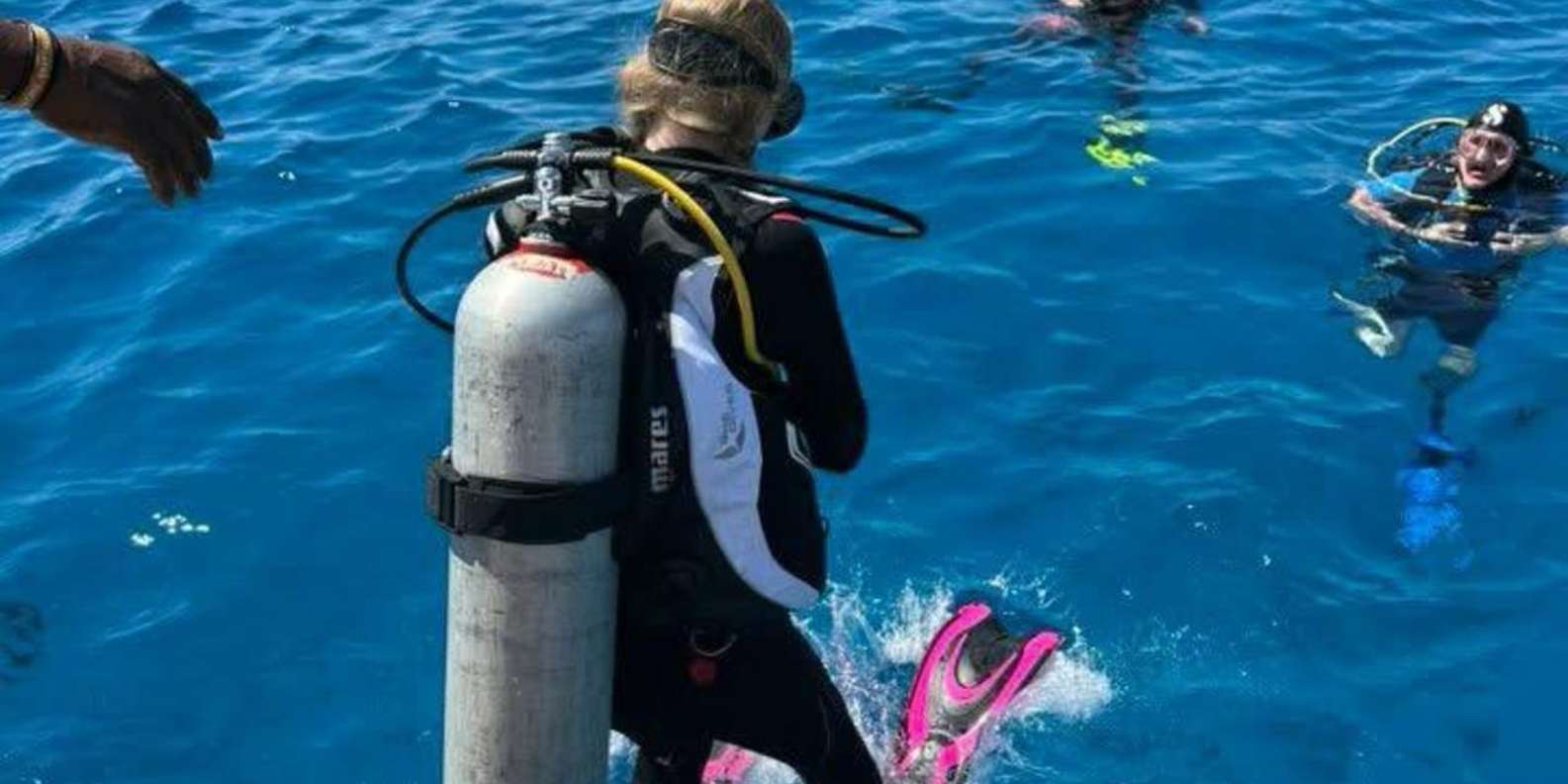
Briefings set the arc: history, route, signals, and time/air limits. On Thistlegorm, expect deck features around 18 meters and lower holds closer to 27–30 meters. Abu Nuhas sites range roughly 12–30 meters, with moderate current. Most outings are two‑tank days with moored entries, careful buoyancy over silt, and safety stops framed by anthias clouds.
Who This Is For
First-timers gain confidence with a private guide, learning trim, frog kicks, and line discipline along wreck exteriors. Certified divers collect signatures safely; Advanced Open Water and Wreck specialties unlock deeper routes. Non-divers aren’t sidelined—consider Hurghada’s glass-viewing trips like a Hurghada semi‑submarine and snorkel cruise to share the day and sea stories.

Booking & Logistics
Choose operators offering small ratios (often 1:2–1:4 for penetrations), nitrox for safety margins, and redundancy (SMB, torches, and a dedicated guide reel). Expect hotel pickups, hearty boat breakfasts, and 8–12‑hour days on long routes. From Sharm, Thistlegorm can take 2.5–4 hours by boat; Hurghada to Abu Nuhas is typically 2–3.
Sustainable Practices
Story-led doesn’t mean souvenir-led—hands off metals and cargo, and keep trim high to protect encrusting life. Follow moorings, avoid anchoring on reefs, and prioritize good finning over contact. Read up on Green Fins eco‑diving practices, switch to reef‑safe sunscreen, and leave only clean bubbles and cleaner site data for conservation teams.
FAQs
Expert-led wreck tours are designed around your certification and comfort—no ego, no rush. The pre-dive brief defines depth, route, and optional penetration; your guide adapts the plan to conditions and team gas. Expect conservative limits, redundant lights, and clear, rehearsed signals so the story stays compelling and the risk stays controlled.
Do I need advanced certification to dive Red Sea wrecks?
Not for all of them. Many iconic structures have stunning exterior routes within Open Water limits, while interior or deeper holds usually require Advanced Open Water and a Wreck specialty. Guides tailor profiles so mixed-experience buddies can share the same site—one on the deck tour, another with a planned interior route.
Can beginners join a wreck-focused boat day?
Yes—beginners can do training dives on nearby reefs, then drift the wreck’s shallower perimeter with an instructor. You’ll practice buoyancy and non-silting kicks before approaching hull sections. If you’re brand new or accompanying divers, boat days often welcome snorkelers or semi-sub guests, keeping everyone engaged without compromising safety.
How are wreck penetrations kept safe?
By combining daylight zones, strict gas rules, and simple routes. Guides use reels in overheads, maintain clear silt discipline, and set hard turn-points before “thirds.” Teams carry primary and backup lights, with enforced one‑at‑a‑time entries and spacing to avoid silt-outs. If any variable shifts—current, visibility, comfort—the plan reverts to exterior touring.
Wrecks turn the Red Sea into a living museum—steel and coral narrating the same chapter in different voices. Pair a disciplined dive plan with a storyteller‑guide and the sea does the rest. When you’re ready for more ideas and routes across the coast, browse our curated Travel Inspiration and consider a focused Blue Hole & Canyon diving day trip to deepen your logbook and your lore.


