
Saudi Arabia’s Silent Reefs: Season‑Smart Red Sea Diving From Al Lith to Farasan
Quick Summary: Be among the first to dive Saudi Arabia’s pristine Red Sea—crowd‑free coral gardens, seasonal whale sharks, and photogenic wrecks—guided by conservation‑first operators and coastal culture. Plan for shoulder seasons, gentle etiquette with megafauna, and logistics via Jeddah, Umluj, Al Lith and Jazan for Farasan liveaboards.
Slip beneath Saudi Arabia’s Red Sea and you meet a different tempo—quiet moorings, coral heads untouched by crowds, and the flutter of anthias where only your bubbles break the silence. It’s a frontier feel within a storied sea: close to familiar Egyptian hubs like Sharm El Sheikh, yet worlds away in solitude and surface culture.
What Makes This Experience Unique
Saudi’s west coast trades bustle for breathing room: vast reef systems with few boats, megafauna that isn’t chased, and guides who put ethics before hero shots. You’ll hear fishermen’s stories over cardamom coffee, then dive unmarked pinnacles that feel newly discovered—an antidote to classic circuits at Ras Mohammed and Tiran Island.
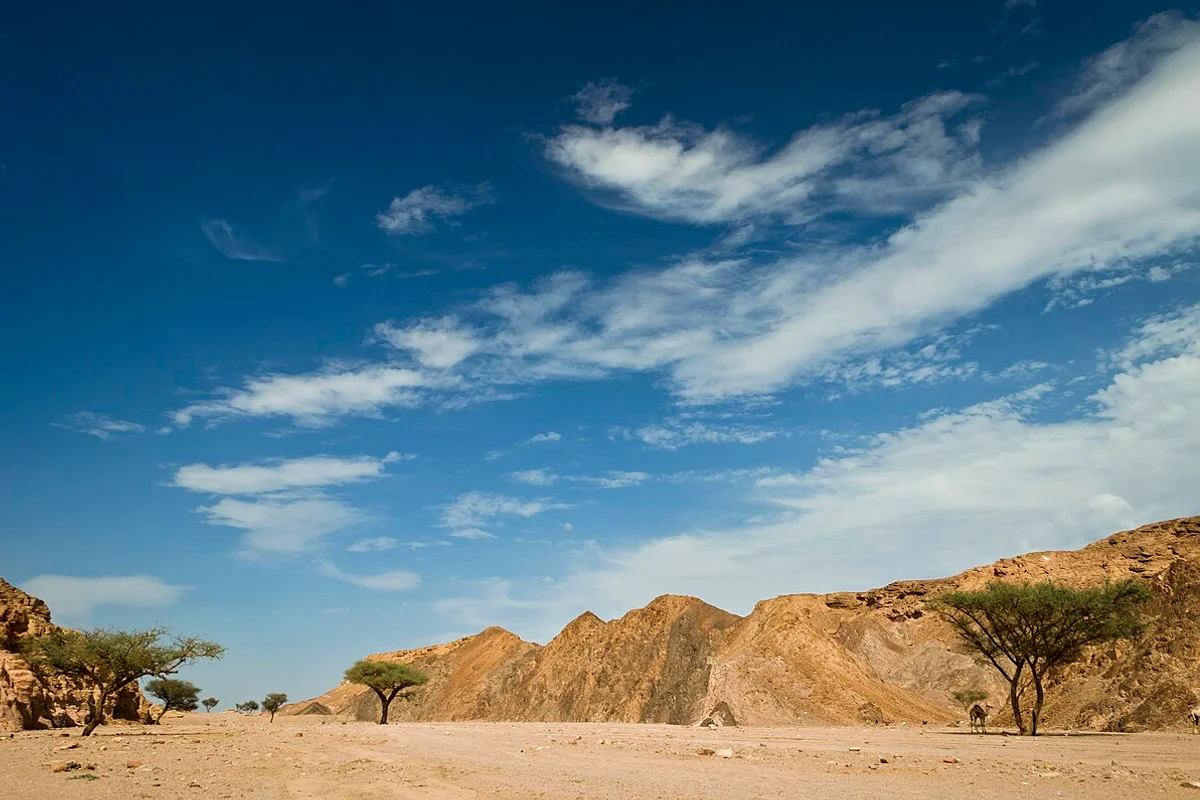
Where to Do It
Base from Jeddah for day boats and wrecks; Al Lith for seasonal whale sharks and offshore reefs; Umluj and Al Wajh for sandy islets and gin‑clear snorkeling; and Jazan for ferries and liveaboards to the Farasan Islands. Expect coral gardens, plateau drop‑offs, turtle passes, and cobalt channels where currents usher in jack, barracuda, and the occasional manta.
Best Time / Conditions
Shoulder seasons—March to May and September to November—bring mellow seas, comfortable air, and peak visibility. Whale sharks typically appear off Al Lith in late winter to spring. Expect 20–40 m visibility, water temperatures roughly 24–31°C through the year, and drift‑friendly currents on outer reefs; inshore sites are often calmer for training or family snorkel days.
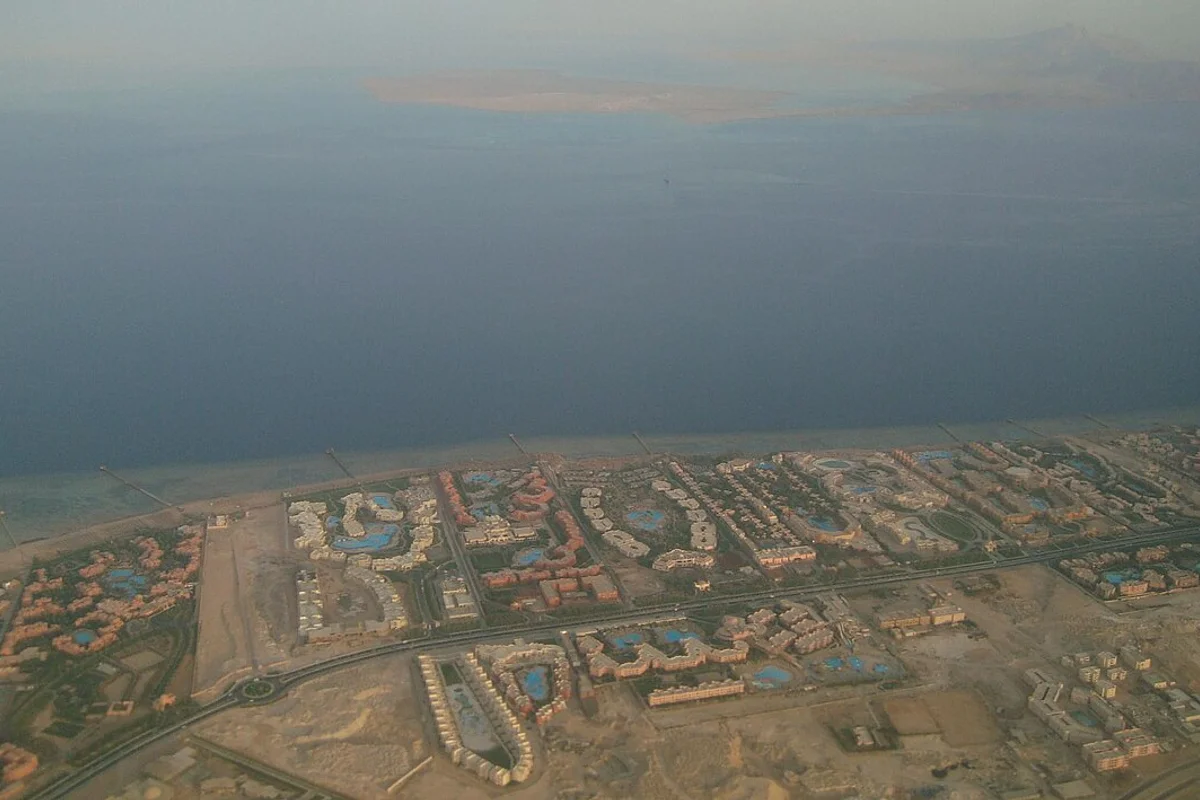
What to Expect
Dive days here feel unhurried and intentional. Operators favor small groups, mooring lines, and long surface intervals. Typical profiles run 12–30 m on coral plateaus and pinnacles, with plenty in the 10–18 m sweet spot for color and light. Photographers should pack both macro and wide—soft‑coral bommies, sea fans, turtles, and atmospheric wreck structure await.
Who This Is For
Confident open‑water divers seeking space and substance will thrive, as will advanced photographers chasing clear water and clean compositions. Snorkelers can join for sheltered reefs and whale‑shark surface encounters when in season. Families appreciate calm bays; committed explorers will love multi‑day liveaboards to Farasan, where sunrise decks and empty horizons define the rhythm.

Booking & Logistics
Fly into Jeddah for Jeddah and Al Lith, or Jazan for Farasan. Licensed operators handle park permits and regulated whale‑shark protocols. E‑visas are widely available; modest dress and cultural sensitivity go a long way on shore. Choose small‑group boats or liveaboards with nitrox, photographers’ rinse bins, and clear safety briefings for drifts and low‑impact entries.
Sustainable Practices
Saudi’s frontier reefs reward restraint: no touching, no feeding, and neutral buoyancy above living coral. With whale sharks, maintain five meters, no flash, and let them set the pace. Insist on moorings over anchors and biodegradable sunscreens. Seek operators engaged in monitoring or mooring maintenance, and read up on ongoing reef conservation projects across the region.
FAQs
New to Saudi’s Red Sea? Think classic Red Sea conditions—bright visibility, year‑round warmth—paired with fewer boats and more logistical planning. You’ll balance easy inshore reefs with current‑kissed plateaus offshore, and swap crowded briefings for cultural exchanges on the dock. Respect local norms, choose ethical crews, and pack patience for weather‑smart plans.
Do I need advanced certification to dive Saudi Arabia’s Red Sea?
No—there are sheltered reefs perfect for Open Water divers and snorkelers, especially around Jeddah and Umluj. That said, Advanced Open Water (plus nitrox) expands your options for drifts, deeper plateaus, and wrecks. Photographers benefit from buoyancy practice to avoid contact with fragile soft corals during close‑focus wide‑angle work.
When and where can I see whale sharks?
Seasonal aggregations typically occur off Al Lith from late winter through spring, tied to plankton blooms. Boats prioritize passive encounters at the surface; many runs are snorkel‑only to minimize impact. Visibility is often excellent, but protocols are strict: no touching, no flash, and keep a respectful distance while the shark sets the course.
Are liveaboards or day boats better here?
Day boats suit Jeddah wrecks and nearby reefs with flexible, budget‑friendly schedules. Liveaboards unlock remote shoals and the Farasan Banks, trading transit hours for sunrise entries and empty moorings. If photography, pelagics, and unpressured sites are the goal, a three‑to‑seven‑night itinerary offers superior access and rhythm.
Saudi’s Red Sea is the quieter chapter of a legendary book—perfect for divers who value space, story, and stewardship. For classic Egyptian counterpoints, read up on iconic Red Sea wrecks and browse regional Red Sea destinations to plan a two‑coast adventure with balance and depth.


