
Red Sea Diving: Wrecks and Reefs Where History Still Breathes
Quick Summary: Explore WWII time capsules like the SS Thistlegorm alongside kaleidoscopic reefs from Sharm to Hurghada. Expect 20–40 m visibility, 22–29°C water, and current-swept walls. Book reputable boats, dive responsibly, and leave the living museum as pristine as you found it.
Dawn finds the Red Sea a pane of polished glass. As the sun lifts, a ribbed shadow materializes below: the SS Thistlegorm, a WWII freighter turned coral-draped gallery. You fin past trucks and Norton bikes, soft corals brushing steel, while glassfish pulse through daylight beams. History isn’t a book here—it’s breathed in slow, deliberate kicks.
What Makes This Experience Unique
Diving the Red Sea fuses time-travel with biodiversity. Few places let you glide through intact wartime cargo at 16–30 m while reef life reclaims the past in neon. Currents paint walls with anthias, yet a meter away lie boots, shells, and bicycles fixed in time. It’s intimacy over spectacle, a museum without ropes or labels.

Where to Do It
Base yourself in Sharm El Sheikh for the Thistlegorm, Ras Mohammed, and the Straits of Tiran; day boats reach signature sites efficiently. Hurghada delivers calm reefs, Giftun plateaus, and steady visibility for mixed-ability groups. Extend south to Marsa Alam for turtle-grazed seagrass and house-reef macro between offshore pinnacles.
Best Time / Conditions
Expect 22–29°C water: winter typically 22–24°C (5 mm with hood), summer 27–29°C (3 mm). Visibility ranges 20–40 m, with clearest water on settled, low-wind days. Spring and autumn balance warmth and milder winds. Early departures target calmer seas and less crowding at the Thistlegorm; currents strengthen around headlands and straits.
What to Expect
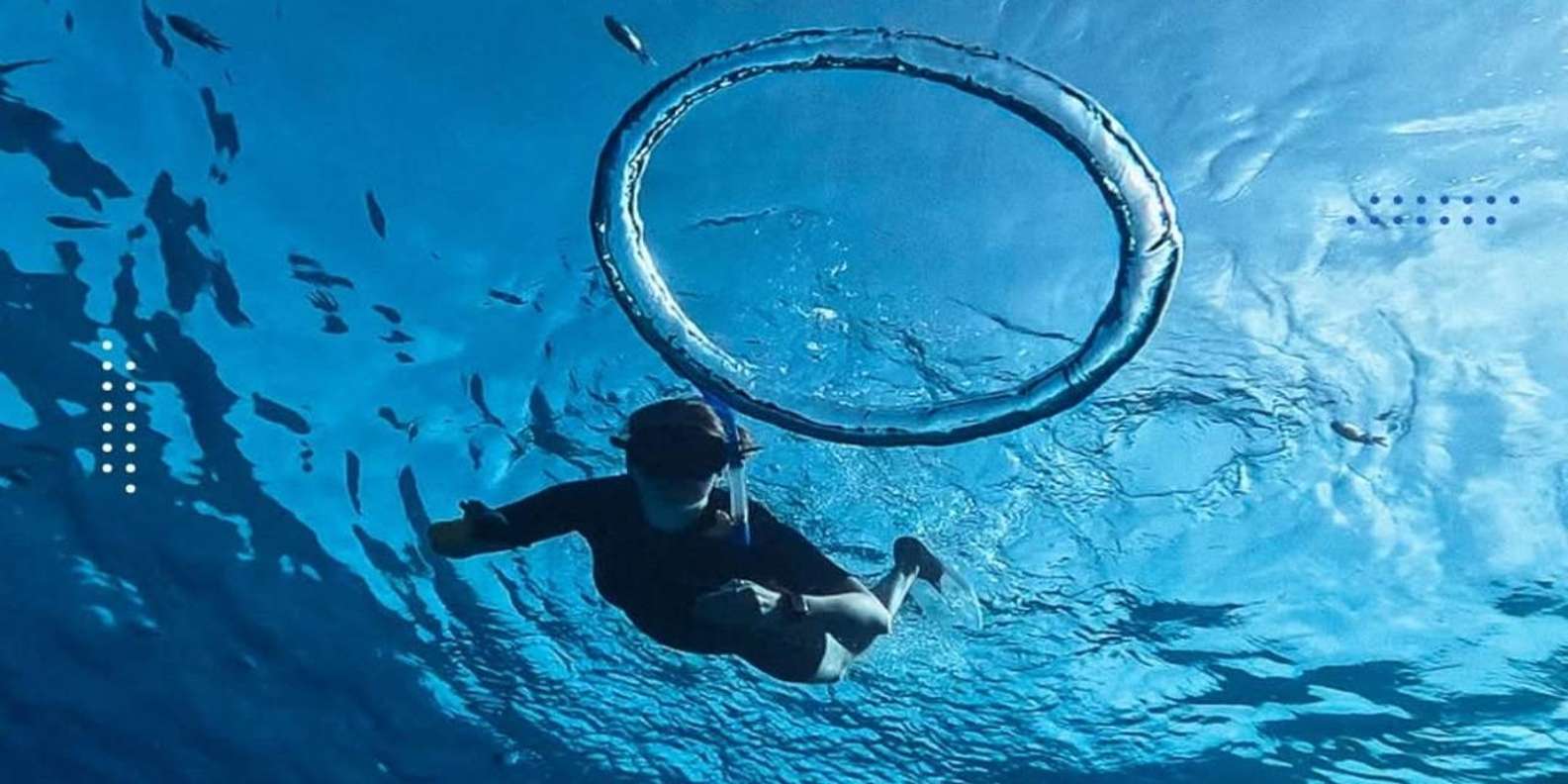
On the Thistlegorm, the deck sits roughly 16–22 m with the seabed near 30 m, favoring advanced profiles and careful gas planning. Reef days mix gentle drifts and moored dives over hard-coral gardens, sea fans, and occasional pelagics. Photographers should bring strobes for wreck interiors and wide-angle lenses for walls and schooling fish.
Who This Is For
Advanced divers will savor wreck penetration under guide supervision and swift drifts along Ras Mohammed. Confident open-water divers can explore exteriors, sheltered reefs, and shallow plateaus. Underwater photographers, history buffs, and macro lovers will all find subjects. Non-divers can ride along, snorkel sandy shelves, or relax on sundecks between sites.

Booking & Logistics
Choose reputable centers with strong safety briefings, nitrox, and small guide ratios. From Sharm marinas, the Thistlegorm is typically a 3–4 hour run each way. Consider a guided Ras Mohammed and White Island diving excursion or a flexible White Island & Ras Mohammed snorkelling tour for mixed groups. Bring a DSMB, reef-safe sunscreen, and proof of experience for 30 m profiles.
Sustainable Practices
Treat wrecks and reefs as a living museum: perfect buoyancy, keep fins high, and never touch cargo or coral. Use reef-safe sunscreen, secure gauges to avoid dragging, and skip gloves to reduce temptation to hold. Choose operators engaged in mooring use and reef monitoring, and report ghost nets or fishing lines to your dive crew.
FAQs
This region rewards preparation. Below are answers to the most common questions around certification, currents, and non-diver options—so you can match your expectations, refine your kit, and pick the right boat. A little planning means longer bottom time, better photos, and a lighter footprint on fragile habitats.
Do I need advanced certification for the Thistlegorm?
Advanced Open Water (or equivalent) with recent 30 m experience is strongly recommended. You’ll likely work around 18–30 m, monitor gas and NDL closely, and may enter cargo holds with a guide. Newer divers can tour the exterior and upper deck safely, then enjoy nearby shallow reefs on the second dive.
How do currents affect Red Sea dives?
Currents energize reefs and bring pelagics but demand control. Expect gentle to brisk flows at Ras Mohammed and Tiran, plus occasional upwelling at corners. Listen to briefings on entry points, negative descents, and DSMB use. If seas build or plans change, trust your guide—flexibility keeps dives safe and enjoyable.
Can non-divers join and still enjoy the trip?
Yes. Many boats welcome non-divers, offering snorkel sessions over sandy shelves, relaxed sundecks, and clear water views. Mixed groups often pair a diver drop with a nearby snorkel stop. For calmer days, choose sheltered reefs or dedicated snorkel itineraries with ladders, shade, and attentive crew.


