
Red Sea Reef Fish: Top Species to Spot
Red Sea Reef Fish Identification Guide: Species to Look for During Red Sea Reef Dives
The Red Sea is one of the world’s most fish-rich warm-water seas, with well over 1,000 recorded fish species and a high rate of endemism (species found here and nowhere else). On dives and snorkel trips from Hurghada, El Gouna, Makadi Bay, Sahl Hasheesh, Soma Bay, Safaga, Marsa Alam, Sharm El Sheikh, and Dahab, you can spot everything from tiny reef “cleaners” to fast-moving hunters in a single session.
This guide focuses on practical, in-water identification: what to look for first (shape, behavior, habitat), and the top reef fish species (and groups) you’re most likely to see around common Red Sea reef types—fringing reefs, lagoons, drop-offs, and coral gardens.
Introduction to Red Sea Marine Life and Fish Identification
Good fish ID starts with the basics: body shape and behavior usually narrow things down faster than color. On a shallow coral garden you’ll see many “resident” species that rarely stray far from shelter—damselfish guarding algae patches, butterflyfish cruising coral heads, and wrasses picking at the reef. Along a reef edge or wall, the cast changes: fusiliers and snappers form midwater schools, and larger predators patrol the blue.
In the Red Sea, light can be intense and colors shift with depth—reds fade first, while blues and greens stay longer—so don’t rely on one hue. Instead, note patterns (bars, eye spots, masks), fin shapes, and how the fish moves. A wrasse often “zips” with quick fin strokes; a parrotfish looks chunky and deliberate; a goatfish actively probes sand with chin barbels.
If you’re snorkeling from a beach in Dahab or Sharm El Sheikh, you can identify many of the same fish seen on scuba—just focus on reef flats and the first 2–6 meters where light is best. Divers get the advantage of time and depth range, but a calm, observant snorkeler can still rack up a long species list in one morning.

What Makes Red Sea Reef Fish So Distinct
The Red Sea’s combination of warm temperatures, salinity, and long geographic isolation has produced a mix of Indo-Pacific classics and species with local quirks. In summer, surface water commonly sits in the high 20s °C, while winter can dip to the low 20s °C in the north; that seasonal swing changes fish behavior, schooling density, and where you’ll see certain species on the reef.
Visibility often favors observation—many sites regularly offer clear enough water to spot patterns at distance—so you can watch natural behavior instead of chasing fish. That matters for ID: a pair of butterflyfish circling one coral head, a cleaner wrasse working a “station,” or anthias hovering above branching corals tells you as much as the markings do.
Another signature is the way reef structure creates “neighborhoods.” Lagoon sand, seagrass, coral bommies, and steep walls can sit within a short swim of each other, especially around areas like El Gouna’s reefs, Makadi Bay house reefs, and the fringing reefs of Marsa Alam. Each micro-habitat has its own reliable fish set.
Top Reef Fish Species (and Groups) to Spot
1) Butterflyfish
Butterflyfish are among the easiest Red Sea reef fish to identify: disk-shaped bodies, small mouths, and patterns designed for coral country—diagonal stripes, eye bands, and false eye spots. You’ll most often see them in pairs, hovering close to coral heads on reef flats and upper slopes.
Look for long, pointed snouts on some species (useful for picking between coral branches), and watch for “partner behavior”—two fish moving together with near-identical turns. In Hurghada, Makadi Bay, and Sharm El Sheikh, butterflyfish are common on shallow morning dives when the reef is calm and feeding activity is high.
2) Angelfish
Angelfish are bolder, thicker-bodied, and often patrol specific sections of reef. Adults tend to be solitary and territorial, while juveniles may linger in sheltered areas with different patterns than the adults—an easy place for new fish spotters to get confused.
When you see a large, confident fish picking at sponges or algae with a steady, unhurried glide, you’re likely watching an angelfish. On walls and coral gardens around Sharm El Sheikh and Dahab, they often hold to the same depth band, which helps when you want a second look for ID.
3) Parrotfish
Parrotfish are the reef’s daytime “grazers,” scraping algae from rock and dead coral with beak-like teeth. They’re built like tanks—big heads, thick bodies, and an unmistakable chewing motion you can sometimes hear underwater on quiet dives.
Color phases vary widely: the same species can look different depending on age and sex. For identification, focus on shape, beak, and behavior. In Marsa Alam and Soma Bay, you’ll often see parrotfish cruising sandy channels between coral blocks, especially in 5–15 meters where algae growth is strong.
4) Surgeonfish & Tang
Surgeonfish (tangs) are common on almost every reef, often in busy groups. Their bodies are laterally compressed—tall and thin like a plate—and many show constant “tail flicking” while they graze. They’re named for the sharp spine near the tail base, so give them space if they’re startled.
These fish are best identified by silhouette and schooling behavior. Around Safaga and Sahl Hasheesh, you’ll frequently see them on upper reef slopes with plenty of sunlight, where they keep algae in check.
5) Damselfish & Anemonefish
Damselfish are small, tough, and everywhere. Many species defend a tiny patch of reef or algae garden, darting out to nip at intruders—often your fins if you hover too close. Their reliability makes them perfect “starter fish” for ID practice.
Anemonefish (clownfish) are the celebrity members of this family, living in close association with host anemones. If you spot an anemone on a reef flat in Dahab or a sheltered bay in Sharm El Sheikh, pause and look carefully—small orange or dark-toned fish often hover just above the tentacles, retreating when you approach.
6) Wrasses (Labridae) & Cleaner Stations
Wrasses are a high-diversity group with a huge range of sizes and colors. Many are constantly on the move, weaving between coral heads and sand patches. Because they change color and pattern with life stage, the most reliable ID clue is behavior: quick, agile swimming, frequent stops to pick at the substrate, and occasional “hovering” at cleaning stations.
Cleaner wrasses set up small service points where larger fish line up to have parasites removed. If you see bigger fish holding still with fins spread—groupers, emperors, or even turtles—look for slim wrasses darting around their gills and mouths. These interactions are common on popular reefs in Hurghada and El Gouna where fish are accustomed to diver traffic.
7) Groupers
Groupers are heavy-bodied ambush predators that often sit near ledges, caves, and coral heads. Their calm, watchful posture makes them easy to approach slowly (without crowding). In some areas, larger individuals may be wary due to fishing pressure, while in well-managed zones they can be surprisingly tolerant of divers.
For identification, note the head profile (thick lips, large mouth), spot patterns, and where they’re stationed—under coral plates, at the mouth of a small cave, or on a wall ledge. On deeper reef edges in Sharm El Sheikh and parts of Marsa Alam, groupers can be a highlight of the dive when visibility allows longer-range viewing.
8) Snappers & Sweepers
Snappers often form midwater schools above the reef edge or along drop-offs. They’re streamlined and alert, with a purposeful, cruising motion. Sweepers, by contrast, are more often seen in shaded areas—caves, overhangs, and under coral ledges—glittering in tight groups when your torch catches their eyes.
When you move from a sunlit coral garden into a shaded swim-through, the species composition changes instantly. That transition is common on reefs around Hurghada and Safaga where bommies and small caves punctuate the reef slope.
9) Goatfish
Goatfish are sand specialists, easy to identify by the two chin barbels they use like metal detectors. They cruise sandy patches and lagoon floors, then suddenly “probe” the sand and puff up a little cloud as they feed.
They’re common on sandy channels and near seagrass. In Soma Bay and Makadi Bay, watch for them in 3–12 meters where sand meets coral—an ideal zone for snorkeling or a slow, shallow end-of-dive.
10) Triggerfish
Triggerfish are unmistakable once you learn their shape: angular bodies, strong dorsal fin, and a stiff, deliberate swimming style. Some species can be territorial, especially around nests, so maintain respectful distance if one starts circling or “tracking” you.
They’re often seen picking at the reef or patrolling sandy slopes. If you’re diving from Sharm El Sheikh or Dahab, keep an eye out on reef flats and upper slopes where they forage.
11) Lionfish & Scorpionfish
Lionfish are elegant but venomous. They hover with fins fanned wide, often under ledges or near coral heads, especially in lower light. Scorpionfish are masters of camouflage, sitting motionless on the bottom and blending into rubble or coral.
For safe observation, keep your hands close to your body and maintain buoyancy so you don’t drift into a fin spine. Night dives in Hurghada, El Gouna, and parts of Dahab can increase your chances of seeing these species actively hunting, but they can also appear on daytime dives in shaded areas.
12) Moray Eels (Muraenidae) and Reef “Characters”
While not fish you’ll typically see cruising in open water, moray eels are common residents of holes and crevices. If you spot a head peeking out with a rhythmic open-and-close mouth motion, that’s normal breathing behavior, not aggression.
Morays are a reminder to avoid placing hands on the reef when stabilizing for photos. Many of the Red Sea’s best fish sightings happen when you hover neutrally and simply watch—reef life relaxes and resumes its routines.
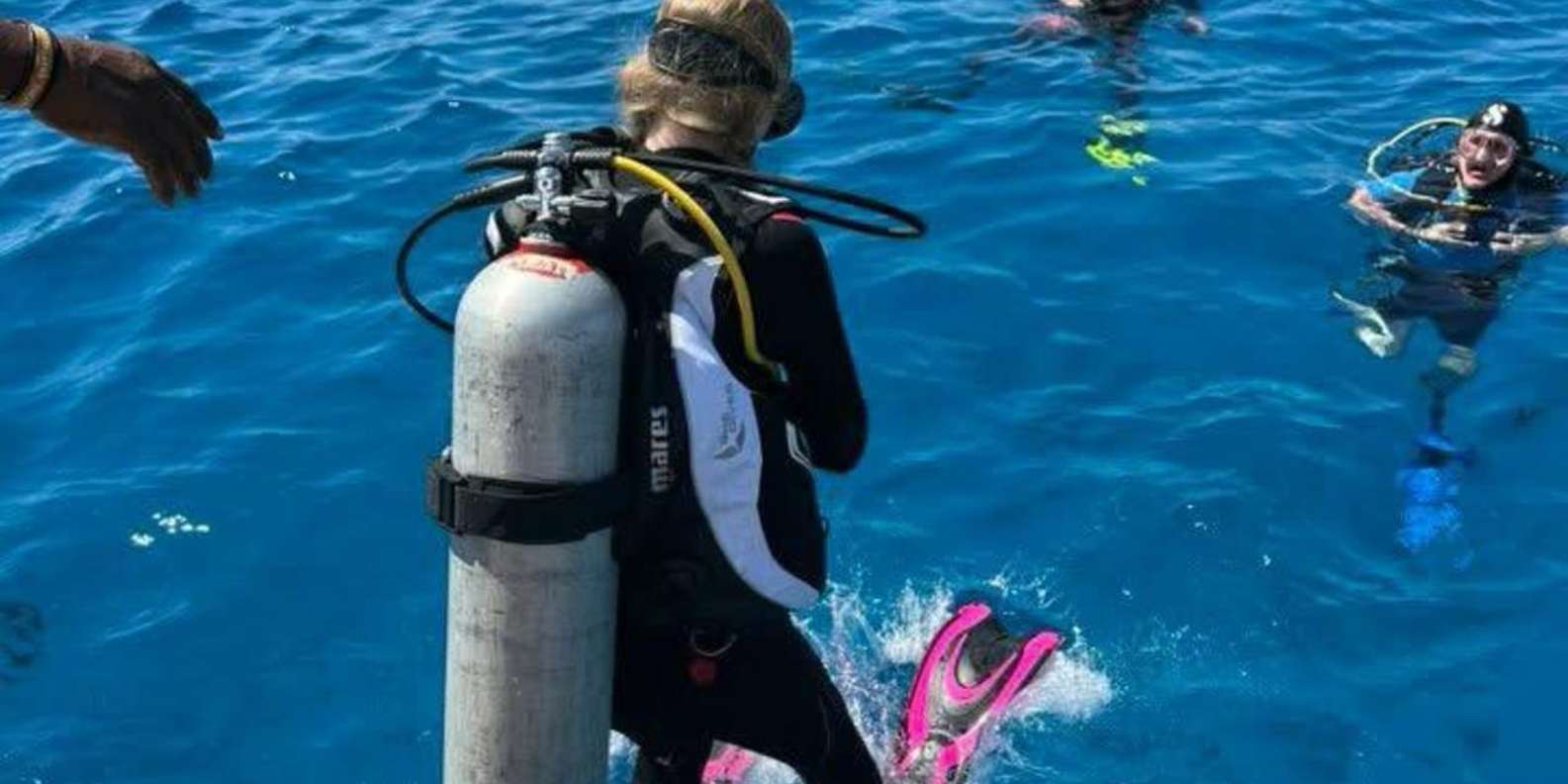
Where to Spot Reef Fish Around Routri Destinations
Hurghada, El Gouna, Makadi Bay, Sahl Hasheesh are reliable for variety: shallow coral gardens for butterflyfish, damselfish, and wrasses; plus reef edges where you’ll see schools of snappers and occasional larger predators. House reefs and nearshore sites are great for building ID confidence because you can repeat dives and compare sightings.
Soma Bay, Safaga are well-suited for structured fish-watching on reef slopes and coral blocks separated by sand channels. Expect plenty of goatfish, surgeonfish, parrotfish, and midwater schooling species along the edges, especially when there’s mild current.
Marsa Alam is a strong pick for reefs with varied habitats—lagoon areas, coral bommies, and reef fronts—where you can log high species counts in one itinerary. Early-morning dives often bring the most natural behavior, before the reef becomes busy.
Sharm El Sheikh offers dramatic reef walls and ledges where you can see both “wall residents” (groupers, sweepers, lionfish in shade) and midwater traffic. Sites with drop-offs also make it easier to spot schooling fish holding in the blue.
Dahab is ideal for shore entries and long, relaxed fish observation in shallow zones. Because you can take your time, it’s excellent for photographers and snorkelers practicing identification without feeling rushed.
Best Time and Conditions for Fish Spotting
Reef fish are present year-round, but conditions affect how easy they are to observe. Late spring through early autumn generally means warmer water and longer, comfortable sessions in the shallows, which helps if your goal is to log lots of small species. Winter months can bring cooler water, which may concentrate some activity in mid-depths and can make longer snorkels less comfortable without adequate exposure protection.
For visibility and calm seas, mornings are often your friend—especially on nearshore reefs around Hurghada, Makadi Bay, and Dahab where afternoon winds can pick up. Mild current can improve fish action on reef edges by bringing plankton and oxygenated water, which attracts fusiliers, snappers, and hunting predators.
If you want to see more crevice-dwellers (morays, lionfish, sleeping parrotfish), consider a dusk or night dive with a qualified guide. The reef changes mood fast after sunset, and identification shifts toward eyeshine, silhouettes, and behavior rather than color alone.

What to Expect on a Typical Reef Fish-Focused Trip
A fish-focused snorkel or dive works best when you slow down. On entry, spend the first 5–10 minutes scanning the shallow coral heads: damselfish territories, pairs of butterflyfish, and grazing parrotfish are usually the first you’ll spot. Then move to the reef edge and hover—midwater schools often appear when you stop finning and let the reef come to you.
Guides typically point out “stations” and landmarks: a cleaning spot, a bommie with resident groupers, or an anemone with clownfish. These repeatable reference points are useful because you can revisit them at the end of the session when your buoyancy is better and your eyes are tuned in.
Bring a slate or notes app (and write immediately after the session). Record three things per fish: where you saw it (sand, coral head, wall), how it behaved (schooling, grazing, hovering), and a quick pattern note (mask, stripes, spots). That’s enough to identify most common Red Sea reef fish later with a guidebook.
Who This Guide Is For
This article is aimed at snorkelers and divers who want to recognize what they’re seeing rather than just “lots of colorful fish.” Beginners will get the most mileage by learning the big families first—damselfish, butterflyfish, parrotfish, surgeonfish, wrasses—before chasing exact species names.
Underwater photographers can use the habitat tips to predict where certain subjects will be: sweepers in shade, goatfish on sand, butterflyfish near coral heads, and wrasses near cleaning stations. Experienced divers can refine identification by focusing on behavior, depth band, and reef structure across different destinations like Sharm El Sheikh walls versus Dahab’s shallows.
Booking and Practical Logistics
For the widest variety of reef fish in one day, choose a trip that combines a shallow coral garden with a reef edge or wall. Many itineraries out of Hurghada, El Gouna, and Sharm El Sheikh naturally include this mix, while shore dives in Dahab are ideal for longer, unhurried observation sessions.
Pack for fish spotting rather than speed: a mask with a clear fit (leaks ruin observation), antifog, and a snorkel or regulator setup you trust. A small torch is useful even on daytime dives for looking into ledges and bringing back color under overhangs. If you’re snorkeling, a thin exposure layer can extend your time in the water and reduce sun exposure.
If your goal is identification, tell your guide before you enter the water. They can adjust pace, point out resident species, and choose routes with more coral structure and less “open swim” time.
Sustainable Practices for Reef Fish Encounters
Fish identification goes hand-in-hand with low-impact technique. Neutral buoyancy keeps fins off coral and avoids stirring sand that can smother nearby polyps. If you’re snorkeling above a shallow reef flat, keep your kick small and controlled—many Red Sea coral gardens sit in just a few meters of water.
Do not feed fish. Feeding changes behavior, increases aggression in some species, and can disrupt natural foraging patterns. It also makes identification harder because fish crowd unnaturally and patterns blur into a swarm.
Use reef-safe habits for photography: no touching for stability, no chasing, and no blocking cleaning stations. If you see fish lining up to be cleaned, hover at a respectful distance; repeated disturbance can shut the station down and affects multiple species at once.
FAQs
What are the most common reef fish to see in the Red Sea?
On most Red Sea reefs you can expect to see damselfish, butterflyfish, wrasses, parrotfish, and surgeonfish on nearly every snorkel or dive. On reef edges and drop-offs, schools of snappers and other midwater fish are also common. The exact mix depends on habitat—coral gardens, sandy channels, and walls each have their own “regulars.”
Is it possible to identify Red Sea fish while snorkeling, not diving?
Yes—many iconic Red Sea reef fish live in the top 2–6 meters where snorkeling is ideal. Focus on coral heads, anemones, and the coral-sand boundary where goatfish and grazing species feed. A calm morning snorkel from Dahab, Makadi Bay, or Sharm El Sheikh can produce a long list without going deep.
What should I bring for a fish-identification-focused trip?
Bring a well-fitting mask, antifog, and either a slate or a simple notes method to record what you saw right after the session. A small torch helps you check ledges and shaded areas where lionfish, sweepers, and morays often hide. Sun protection and a light exposure layer can extend your time in shallow water where most reef fish activity happens.
When is the best time of day to spot the most reef fish?
Mornings are often best because winds are typically lighter and reef fish are active on feeding routes across coral gardens and reef flats. Midday can be excellent for visibility in shallow water, but busy sites may see more traffic. Dusk and night dives reveal different behavior and species, especially crevice dwellers and hunters.
How can I watch reef fish without harming the reef?
Maintain neutral buoyancy (or controlled finning while snorkeling) so you don’t touch coral or kick up sand. Avoid feeding fish and don’t crowd cleaning stations, nests, or animals that are resting under ledges. The best approach is slow observation—hover, watch behavior, and let fish resume natural movement around you.
For more detailed information on Red Sea fish species and responsible tourism, visit our blog for in-depth articles and guides. If you have questions about planning your trip, our FAQ page and contact team are ready to assist.
The Red Sea’s vibrant reef fish are a testament to the region’s ecological richness and global importance. By learning to identify and appreciate these species, visitors not only enrich their own experiences but also contribute to the preservation of this extraordinary ecosystem. Start your journey by exploring our latest scuba diving experiences tours or browse the Routri blog for more expert insights on Red Sea marine life.


