Routri
Routri

Language

Currency

Book online or call us

+2012 81527008

Support

  • Contact Us
  • Legal Notice
  • Privacy Policy
  • Cookie Policy
  • Terms of Service
  • Refunds & Cancellations

Company

  • About Us
  • Careers
  • Blog
  • Gift Cards
  • Sustainability

Work With Us

  • Become a Supplier
  • Affiliate Program
  • Travel Agents

We Accept

PayPal
Visa
Mastercard
American Express
Maestro

Language

Currency

Book online or call us

+2012 81527008

Support

  • Contact Us
  • Legal Notice
  • Privacy Policy
  • Cookie Policy
  • Terms of Service
  • Refunds & Cancellations

Company

  • About Us
  • Careers
  • Blog
  • Gift Cards
  • Sustainability

Work With Us

  • Become a Supplier
  • Affiliate Program
  • Travel Agents

We Accept

PayPal
Visa
Mastercard
American Express
Maestro

© 2026 Routri. All rights reserved.

  1. Home
  2. /Travel Inspiration
  3. /Egypt’s Red Sea Scuba: New Div...
Snorkeling
Diving
Marine life

Egypt’s Red Sea Scuba: New Dive Sites & Reef Projects

Discover the world’s most thrilling scuba diving hotspots and uncover newly revealed dive sites teeming with marine wonders. Dive in to find out where adventure beneath the waves awaits next.

MI
Mustafa Al Ibrahim
October 05, 2025•Updated March 21, 2026•5 min read
Share on
Egypt’s Red Sea Scuba: New Dive Sites & Reef Projects

Red Sea’s New Frontier: Scuba Hotspots Where Adventure Meets Reef Activism

Quick Summary: Egypt’s Red Sea is unveiling lesser-dived walls, wrecks, and nurseries where adrenaline and activism align. Expect clear water, brisk drifts, citizen science projects, and community moorings that protect coral while unlocking fresh, crowd-free routes for divers in 2026–2026.

At first light, Naama Bay’s boats hum to life and head for cobalt horizons. By the time you back-roll, reef walls ignite in oranges and violets, anthias flicker like confetti, and a steady current tugs you into the flow. This season, the thrill is matched by purpose: mooring-buoy networks, nursery dives, and science-led routes that protect what you came to see. Base in Sharm El Sheikh for quick access to marquee reefs while joining the region’s conservation push.

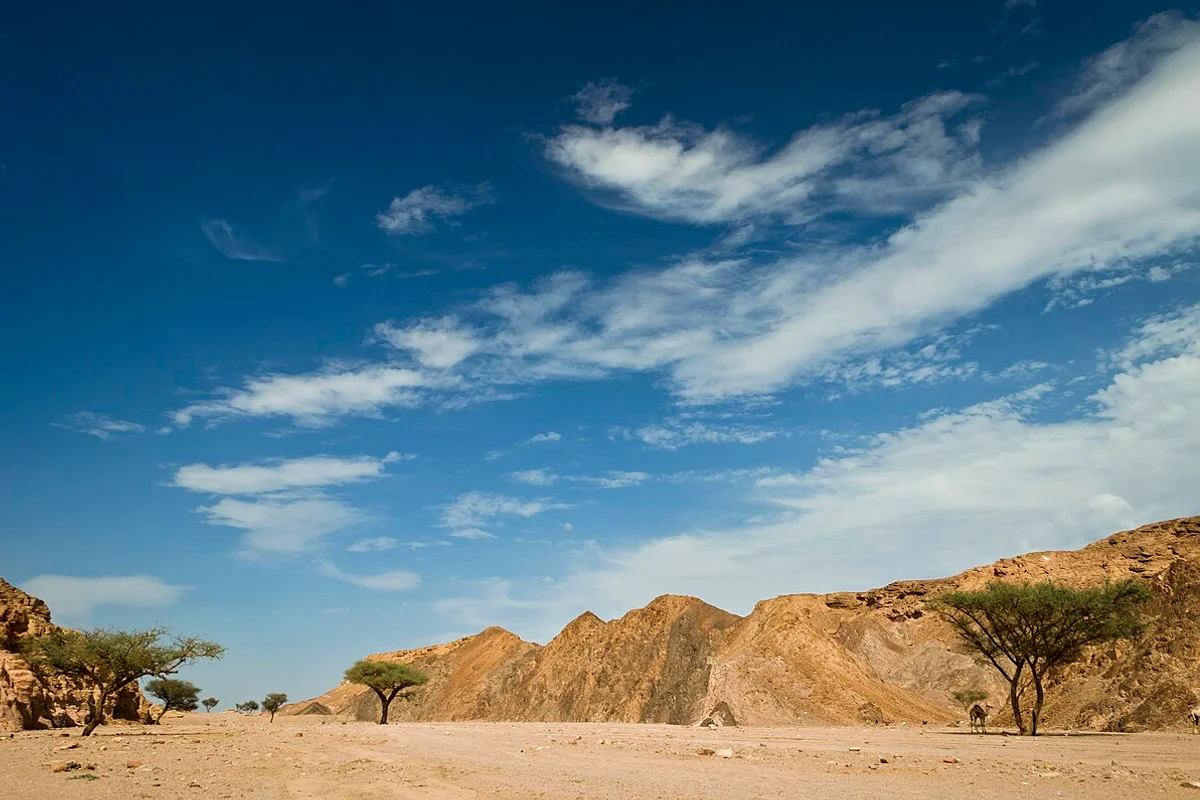
Blue Hole Dahab
Blue Hole Dahab

What Makes This Experience Unique

Egypt’s Red Sea has always promised crystalline visibility and technicolor reefs; 2026–2026 adds a layer of impact. New and lesser-dived sites are opening via community moorings and mapped drift lines that spread pressure away from classics. Divers can log brisk, blue-water thrill rides, then tag coral frames or help survey heat-resilient species—turning a great dive into meaningful fieldwork.

Where to Do It

North to south, opportunities stack up. Ras Mohammed’s capes deliver vertical drama and schooling fish, while the Straits of Tiran offer lively currents and pristine plateaus. Across the Gulf, Dahab pairs the Canyon and Blue Hole with conservation briefings and safety-led logistics—including guided combos like the Blue Hole & Canyon diving day. Farther south, Wadi Gimal and remote offshore reefs feel pioneering yet carefully managed.
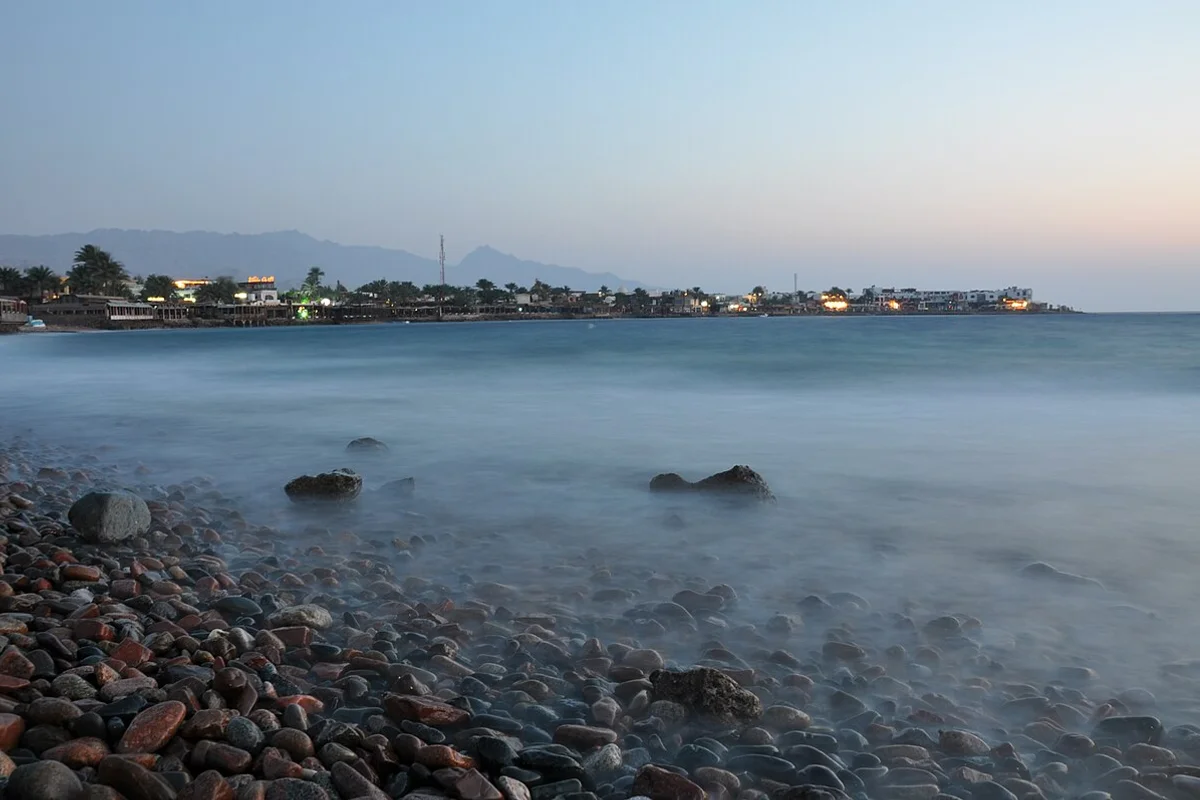
Naama Bay
Naama Bay

Best Time / Conditions

For steady seas and warm water, target April–June and September–November. Expect 20–40 m visibility and sea temperatures around 24–29°C in peak months, cooling to 22–24°C mid-winter. Summer brings thermoclines and lively fish action; winter sees crisper air and occasional north winds. Most day boats time slack-to-moderate currents; advanced drifts are briefed accordingly.

What to Expect

You’ll board early, brief routes and eco-protocols, then descend onto hard coral tables, soft-coral fans, and drop-offs where barracuda and trevallies marshal. Typical recreational profiles span 12–30 m; expect light-to-brisk drifts (0.5–2 knots) and short blue-water crossings. The Blue Hole sinkhole exceeds 100 m—treat overhead edges conservatively and stay within training limits; guided lines keep navigation simple and safe.

Ras Mohammed National Park

Who This Is For

Confident Open Water divers thrive on calm caps and sheltered bays; Advanced Open Water divers unlock the fastest drifts, deeper plateaus, and challenging swim-throughs. Underwater photographers will love early boat departures and viz windows. Conservation-minded travelers—families included—can join nursery checks or reef clean-ups, with supervised, age-appropriate roles and briefing-led, low-impact protocols.

Booking & Logistics

Day boats to Ras Mohammed typically run 45–60 minutes from Sharm marinas; the SS Thistlegorm is a longer adventure, often 3–4 hours each way in fair seas. Reserve reputable operators with strict briefings and eco-moorings. For a simple, well-run plan, book a Ras Mohammed diving day trip that includes equipment, lunch, and hotel transfers; bring a computer, SMB, reef-safe sunscreen, and cash for park fees.

Sustainable Practices

Choose boats that clip to moorings, limit group size, and brief neutral buoyancy. Join reef clean-ups or adopt-a-coral sessions where available; avoid contact, collect only data. Pack out plastics, secure gauges, and stow dangling kit. For a deeper dive into habits that protect reefs while enhancing your experience, see Routri’s guide to eco-friendly diving practices.

FAQs

Whether you’re chasing pelagics or purpose, planning ahead makes the difference. Below, we answer common questions on experience levels, permits, and gear so you can match your ambitions to conditions. The goal is to balance adrenaline—walls, wrecks, drifts—with activism that leaves reefs better than you found them.

Are the “new” sites suitable for beginners?

Yes—with the right operator and site selection. Beginners can start on protected bays and shallow plateaus (5–18 m) before sampling short, mild drifts with a guide. Advanced routes and swift capes suit AOW divers or those with drift training. Many boats split groups by experience so everyone dives appropriate profiles.

Do I need permits to join conservation dives?

Park entry fees are standard on protected sites; conservation activities run under licensed operators or NGO partners. You’ll receive safety and ethics briefings, then tasks like photo ID, litter lifts, or nursery checks within your certification limits. Bring ID, cash for fees, and follow data protocols so findings are scientifically useful.

What exposure protection and kit should I pack?

In late spring to autumn, a 3–5 mm suit suits most divers; winter can warrant 5–7 mm plus hooded vest for longer profiles. A computer, SMB, spool, and reef-friendly sunscreen are essential. Photographers should add red filters or strobes; drift sites reward compact rigs and streamlined hoses to reduce drag and snag risk.

The Red Sea’s great trick is making responsibility feel inspirational. Every mooring used, survey logged, or coral tended keeps tomorrow’s dive as vivid as today’s. When you’re ready to mix purpose with awe, build your base in Sharm El Sheikh, add a Dahab canyon-and-sinkhole day, and explore Routri’s roundup of iconic Red Sea dives to plan the perfect arc.

Part of:
Ultimate Red Sea Diving Guide 2026: Sharm, Hurghada & Beyond

Related Tours

Find more travel inspiration

Egypt 14-Day Itinerary: Ultimate Cairo to Red Sea Trip Plan
May 23, 2026Egypt 14-Day Itinerary: Ultimate Cairo to Red Sea Trip Plan
by Oriana Findlay
Egypt 10-Day Itinerary: Cairo, Luxor, Aswan & Red Sea 2026
May 22, 2026Egypt 10-Day Itinerary: Cairo, Luxor, Aswan & Red Sea 2026
by Oriana Findlay
Hurghada Boat Tours: Which One Is Right for You? 2026 Guide
May 21, 2026Hurghada Boat Tours: Which One Is Right for You? 2026 Guide
by Oriana Findlay

FAQs about Egypt’s Red Sea Scuba: New Dive Sites & Reef Projects

Yes, for Advanced Open Water with recent experience at 30 m and solid buoyancy. Expect currents on lines, overheads in cargo holds, and crowds at peak times. Go early, use nitrox if certified, and follow a guide who knows the layout so you can navigate safely without stirring silt or exceeding limits.

Absolutely. While oceanic whitetips at Elphinstone are for experienced divers in season, beginners commonly meet turtles on shallow reefs and may encounter dolphins on outer reef snorkels. Choose calm bays, stay with your group, and plan progressive depth and drift exposure over several days to build confidence responsibly.

Pack a 5 mm full suit with hooded vest for winter and shoulder seasons when water can be 22–24°C, and a 3 mm for summer highs of 27–29°C. Photographers and those doing three dives daily often feel the chill; layering adds flexibility. Bring booties for grip on ladders and rocky shore entries. Whether you’re finning past motorcycles in a shadowed hold or drifting over soft-coral ledges into blue infinity, Egypt’s Red Sea still sets the bar for accessible adventure. When you’re ready to pair reefs with respectful wildlife encounters, browse curated natural and wildlife tours that complement your dive days.