
Quseir Red Sea: Diving & History North of Marsa Alam
Quseir (Al-Quseir) sits on a quieter stretch of Egypt’s southern Red Sea coast, roughly north of Marsa Alam and south of Safaga. It’s the kind of place where you can spend the morning walking past Ottoman-era facades and old coral-stone buildings, then be on a dive boat by midday scanning the reef edge for turtles, napoleon wrasse, and clouds of anthias. This guide covers what makes Quseir different, where to dive, how conditions change through the year, and how to plan a responsible itinerary that mixes sea time with real history.
What Makes This Experience Unique
Quseir has a lived-in, working-coast feel that you don’t always get in purpose-built resort towns. The town grew around trade routes and a long maritime history; that context changes how you see the shoreline, the small ports, and the rhythm of local life. It’s not a place of big nightlife districts—days tend to revolve around the sea, the market, and slow evenings.
On the water, Quseir’s appeal is the combination of accessible fringing reefs and less traffic than the more heavily served stretches around Hurghada or central Sharm El Sheikh. You’ll often find calmer boat decks, smaller groups, and a pace that suits photographers and divers who like long, unhurried bottom times. Reefs here can be fishy and colorful without requiring marathon drives south.
Because Quseir sits between major Red Sea hubs, it can also work as a “reset” stop on a longer Routri itinerary—pair it with Marsa Alam for big-animal potential, or with Safaga and Soma Bay for classic reef walls and easier logistics. That mix-and-match flexibility is one of the town’s underrated strengths.
Where to Do It
Quseir town & waterfront is where the cultural side comes alive. Spend time around the older quarters, the small harbor area, and local cafés; it’s an easy way to understand the area’s identity before you head offshore. If you enjoy context on a trip, it’s worth scheduling a town walk on day one, then letting the sea take over.
House reefs and nearshore sites (access varies by accommodation and operator) are often the simplest way to get wet quickly. These fringing reefs can be ideal for check dives, refreshers, snorkel sessions, and night dives—especially when you want minimal transit time. Expect typical Red Sea reef structure: a shallow coral garden, a steeper drop, and sandy patches where rays can appear.
Day-boat diving corridors between Quseir and the broader Marsa Alam region can offer a menu of reef types: coral gardens, small pinnacles, and sections of wall. The exact site list depends on weather and operator planning, but the broader pattern is consistent—healthy hard corals in shallower zones, schooling reef fish along the edge, and occasional pelagic movement when currents run.
How Quseir fits into a Routri Red Sea route: If you’re building a longer trip, Quseir pairs naturally with Marsa Alam (more remote coastline and a different diving feel) and also works as a calmer counterpoint to busier bases like Hurghada and El Gouna. For travelers who want variety, consider adding a few days in Makadi Bay, Sahl Hasheesh, Soma Bay, or Safaga for additional reef styles and shore setups; or head to Sharm El Sheikh and Dahab later for Sinai’s distinct topography and shore-diving culture.
Best Time / Conditions
Quseir is a year-round destination, but conditions shift enough that timing matters. The most broadly comfortable months for a mixed itinerary of town walks plus multiple dive days are typically spring and autumn, when air temperatures are warm and the sea is comfortable without peak-summer heat on land.
Summer brings the warmest water and long days, which many divers love for extended time in the sea. On land, midday heat can be intense, so plan cultural exploring early morning or late afternoon. If you’re sensitive to heat, build in shaded breaks and keep hydration as a priority.
Winter is often quieter and can deliver excellent visibility, but water temperatures are cooler and surface winds can affect boat schedules. A thicker wetsuit (or layering) is commonly needed for multiple dives a day. If you’re planning a winter trip, choose an itinerary with flexibility so your operator can pick the best-sheltered sites on windier days.
Visibility across the Red Sea commonly ranges from 15–30 meters depending on wind, plankton, and site exposure. Currents can be mild on some fringing reefs and more noticeable on exposed edges; your guide will brief entry methods and drift patterns based on the day’s conditions.

What to Expect
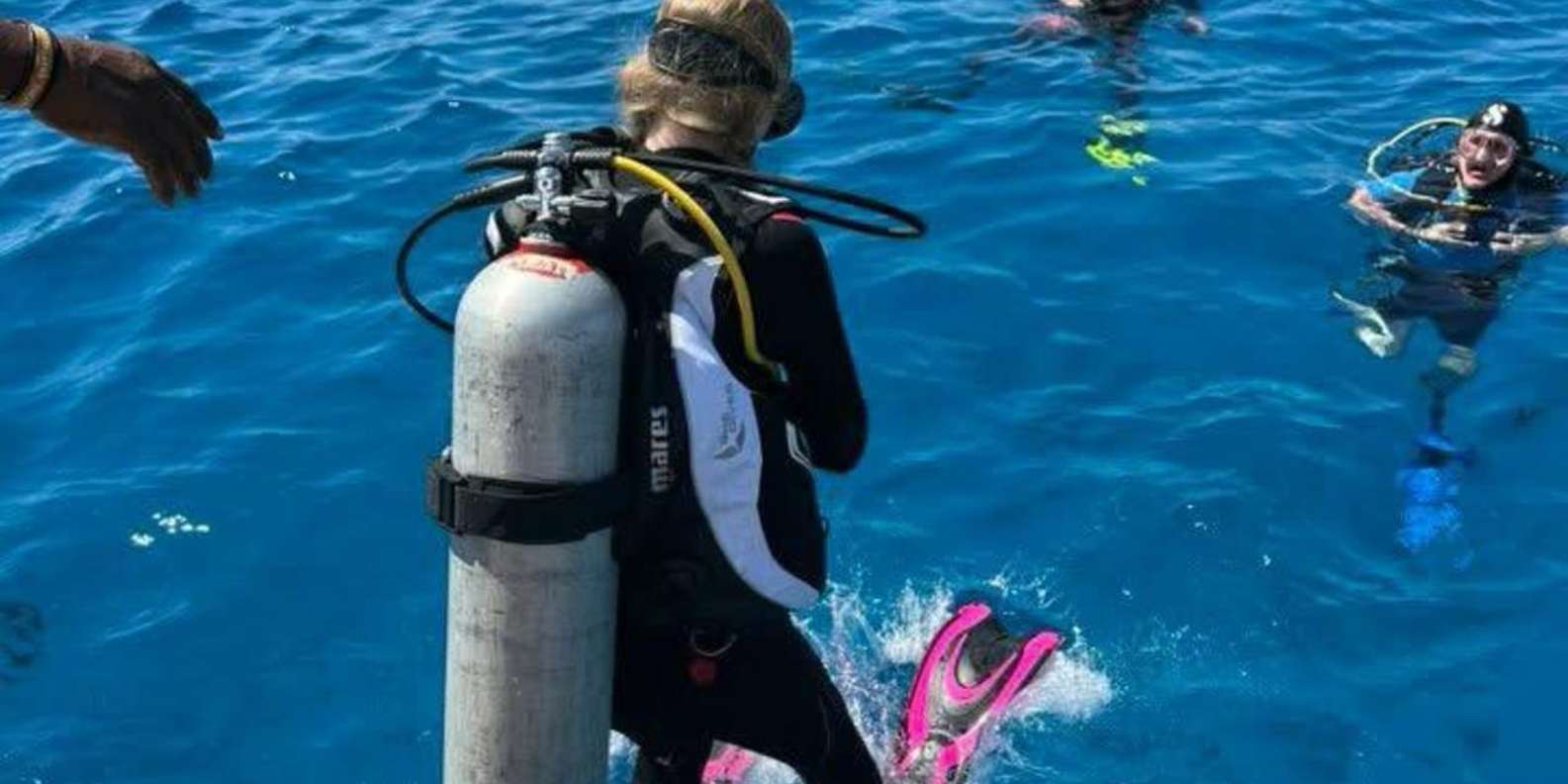
A typical Quseir dive day starts with an early pickup, a short transfer to the marina, and a briefing that covers route, maximum depth, currents, and marine-life etiquette. Most day-boat plans include two dives with a surface interval onboard; some operators add a third dive when conditions and schedules allow. Keep your kit streamlined—boats here often prioritize efficient, low-fuss operations over big “floating resort” setups.
Underwater, expect classic Red Sea scenes: branching and boulder corals in the shallows, reef fish in dense clusters around bommies, and occasional larger encounters along the drop-off. Common sightings in the region can include butterflyfish, angelfish, parrotfish, moray eels, lionfish, octopus, and turtles; in the right conditions you may see schools of snapper or barracuda along the blue. Night dives can be especially rewarding for crustaceans and hunting behavior—move slowly and keep your torch beam controlled.
Back on land, Quseir’s cultural side is best enjoyed at a slower pace. Plan for a simple itinerary: a morning walk, a local meal, then rest before the next dive day. If you’re combining history and diving, avoid over-scheduling—fatigue is real when you’re doing repetitive dive days plus long sun exposure.
Snorkelers can have a strong experience too, particularly around protected reef flats when the sea is calm. A flotation aid can make long snorkel sessions more relaxed, and reef shoes help in areas with rocky entries (where permitted and appropriate).
Who This Is For
Divers who prefer a quieter base tend to love Quseir. If your ideal day is two solid dives, a simple lunch, and an early night rather than a packed entertainment schedule, the town’s rhythm fits naturally.
Underwater photographers benefit from the calmer pace and the chance to spend more time working a subject. Macro lovers should keep an eye out for cleaner shrimp, nudibranchs, and camouflaged scorpionfish around coral heads and rubble patches; wide-angle shooters can focus on coral structure and fish density along the reef edge.
Mixed-interest travelers—couples or small groups where not everyone wants to dive all day—often find Quseir an easy compromise. One part of the group can dive while others explore town, swim, or take a relaxed coastal day. It’s also a good option for travelers who want a Red Sea trip with cultural texture, not only resort time.
Beginners can do well here with the right site choices and a reputable guide, especially on calmer fringing reefs and sheltered entries. More experienced divers will appreciate days with a bit more current and the option of deeper reef edges (always within training limits and local regulations).

Booking & Logistics
Quseir is commonly reached by road transfer from nearby airports and resort corridors. Many travelers route through Hurghada (a major gateway), then head south along the coastal highway; others combine Quseir with Marsa Alam as part of a longer southern itinerary. Travel times vary with traffic and exact pickup point, but the route is straightforward and scenic in parts, with long stretches of desert meeting the sea.
When you book diving, look for operators who keep group sizes sensible, provide thorough briefings, and match sites to diver experience. A good center will ask about your last dive date, certification level, and comfort in currents, and will recommend a check dive if you’ve been out of the water for a while. If you’re planning multiple days, ask for a mix of reef types so you’re not repeating the same profile.
Pack for practical comfort: reef-safe sunscreen, a hat for surface intervals, a light windbreaker for breezy boat rides, and hydration salts if you’re prone to dehydration on repetitive dive days. Bring a backup mask strap and spare O-rings if you have them; small fixes can save a day when you’re away from large city dive retail options.
For cultural time, dress modestly in town, especially away from beach areas, and keep a light layer for evenings outside summer. If you’re photographing people or markets, ask first—Quseir is friendly, but respect goes a long way.
Sustainable Practices
Quseir’s reefs are resilient in places, but they’re not invulnerable. Keep perfect buoyancy over coral, secure gauges and octos to prevent dragging, and avoid touching the reef even in gentle surge. If you snorkel, maintain horizontal body position and use slow fin kicks to avoid accidental contact in shallow coral gardens.
Choose operators that emphasize environmental briefings, use fixed moorings where available instead of anchoring on reef, and enforce no-gloves/no-touch policies on sensitive sites. If you’re offered fish feeding, decline—it changes behavior and can disrupt reef ecology.
On land, reduce single-use plastics by carrying a refillable bottle and bringing your own reusable bag for small purchases. Simple habits matter more in quieter towns where waste infrastructure can be limited compared with major city centers.
FAQs
Is Quseir good for diving compared with Marsa Alam?
Yes—Quseir is a strong choice if you want quality Red Sea reefs with a quieter atmosphere and easier access to town life. Marsa Alam often feels more remote and can have a different mix of sites and wildlife potential depending on where you stay. Many travelers enjoy combining both to balance convenience, variety, and pace.
What marine life can I realistically expect to see near Quseir?
Expect colorful reef fish and healthy coral structure as the baseline, with regular sightings of moray eels, lionfish, and turtles on suitable sites. Schooling fish may appear along drop-offs when current is present, and night dives can reveal octopus and crustaceans. Large pelagics are never guaranteed, but staying flexible with site choice improves your chances.
Do I need to be an advanced diver to enjoy Quseir?
No—many dives in the area can be planned for Open Water level divers, especially on sheltered reefs with gentle profiles. More advanced training is helpful for deeper drop-offs and for handling stronger currents when they occur. A good operator will match sites and guiding style to your experience level.
What’s the best season for a Quseir diving and history trip?
Spring (March–May) and autumn (September–November) are typically the most comfortable for combining walking around town with several dive days. Summer offers very warm water but hotter afternoons on land, while winter can be cooler in the water and windier on the surface. If you travel in winter, pack appropriate exposure protection for repetitive diving.
How many days should I plan in Quseir?
Three to five days works well for most travelers: enough time for two to four dive days plus a cultural half-day without rushing. If you want a slower rhythm or plan to add snorkel sessions and night dives, a full week can feel ideal. If you’re combining with Hurghada, Soma Bay, Safaga, or Marsa Alam, two to three days can still add variety to a longer Red Sea itinerary.
Quseir remains one of the Red Sea’s most rewarding yet least crowded gateways for travelers seeking a balance of heritage, marine biodiversity, and peaceful escapes. Its reefs invite exploration, its history delivers context, and its people offer genuine warmth. For more inspiration, explore our latest travel articles or browse upcoming diving experiences adventures and cultural tours. Start planning your next Red Sea experience with Routri and discover why Quseir deserves a place on your itinerary.


