Routri
Routri

Language

Currency

Book online or call us

+2012 81527008

Support

  • Contact Us
  • Legal Notice
  • Privacy Policy
  • Cookie Policy
  • Terms of Service
  • Refunds & Cancellations

Company

  • About Us
  • Careers
  • Blog
  • Gift Cards
  • Sustainability

Work With Us

  • Become a Supplier
  • Affiliate Program
  • Travel Agents

We Accept

PayPal
Visa
Mastercard
American Express
Maestro

Language

Currency

Book online or call us

+2012 81527008

Support

  • Contact Us
  • Legal Notice
  • Privacy Policy
  • Cookie Policy
  • Terms of Service
  • Refunds & Cancellations

Company

  • About Us
  • Careers
  • Blog
  • Gift Cards
  • Sustainability

Work With Us

  • Become a Supplier
  • Affiliate Program
  • Travel Agents

We Accept

PayPal
Visa
Mastercard
American Express
Maestro

© 2026 Routri. All rights reserved.

  1. Home
  2. /Travel Inspiration
  3. /Bedouin Culture on Egypt’s Red...
Snorkeling
Desert safaris
Marine life

Bedouin Culture on Egypt’s Red Sea: Camps and Reefs

Venture beyond the shoreline to discover the Red Sea’s living Bedouin heritage, from desert camps to ancient storytelling. Dive into a world where tradition and culture shape every encounter.

MI
Mustafa Al Ibrahim
October 05, 2025•Updated March 21, 2026•4 min read
Share on
Bedouin Culture on Egypt’s Red Sea: Camps and Reefs

Where Reefs Meet Firelight: Bedouin Culture Along Egypt’s Red Sea destinations

Quick Summary: Trade staged spectacles for small, community-led encounters that braid Bedouin desert life with the Red Sea destinations’s living reefs—shared coffee, poetry, camel bread, and slow snorkeling tours under vast Sinai skies.

At dusk, the mountains behind Sharm El Sheikh turn purple while the sea keeps breathing in blues. A kettle ticks on embers, the scent of cardamom rises, and a Bedouin host tells you where the wind slept last night. In nearby Dahab, a shoreline snorkel at noon becomes a starlit poetry circle by nine. The line between reef and desert blurs—not a show, but a conversation you’re invited to join.
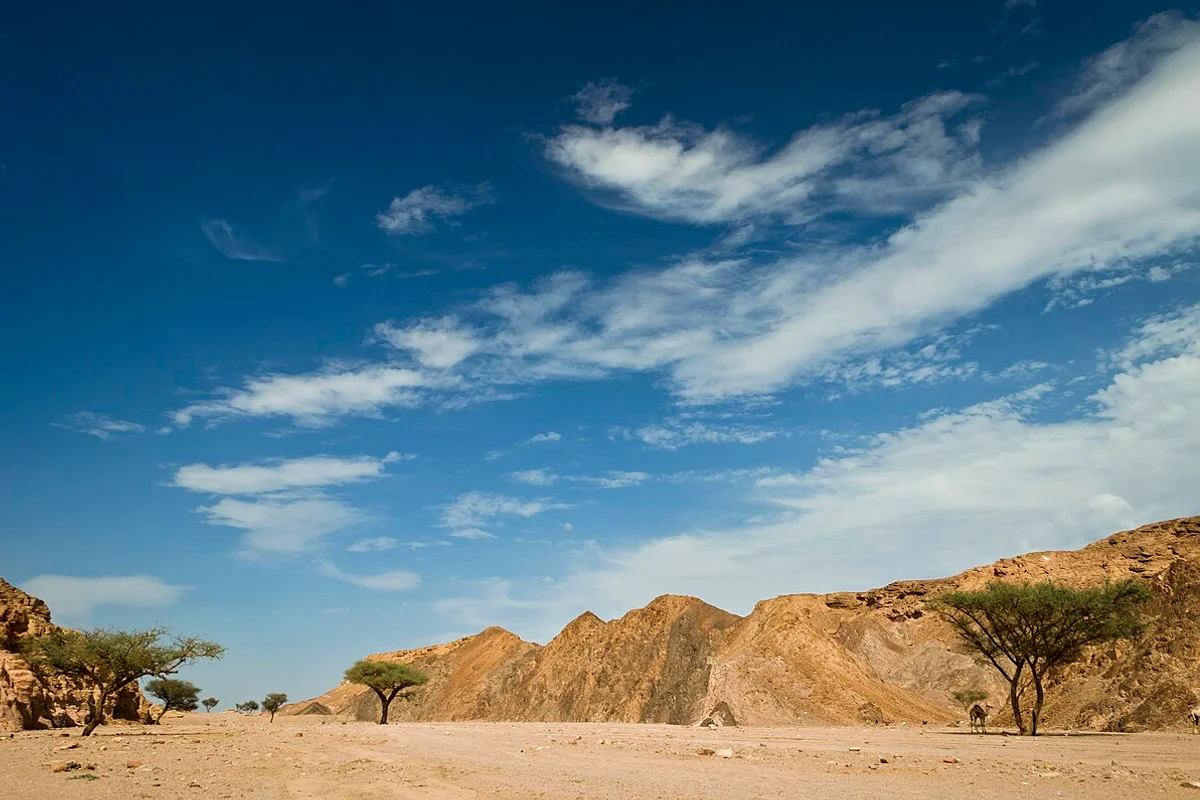
Ras Mohammed National Park

What Makes This Experience Unique

These aren’t choreographed “Arabian nights.” Small, community-led gatherings put living tradition first: coffee roasted to a crackle, bread slapped on a saj, camel tracks traced by constellations. Just offshore, coral gardens begin within meters of the beach, with visibility often 20–30 meters and summer water at 28–30°C, binding sea and sand.

Where to Do It

Sinai is the classic canvas: Ras Mohammed’s walls, Nabq’s mangroves, and the coast road to Abu Gallum where camels pad between turquoise lagoons and granite. Pair reef hours with a desert night via the St. Catherine Monastery & Dahab day trip. South in Marsa Alam, camps in silent wadis host dinners under galaxies with easy pre-sunset snorkels along seagrass bays.
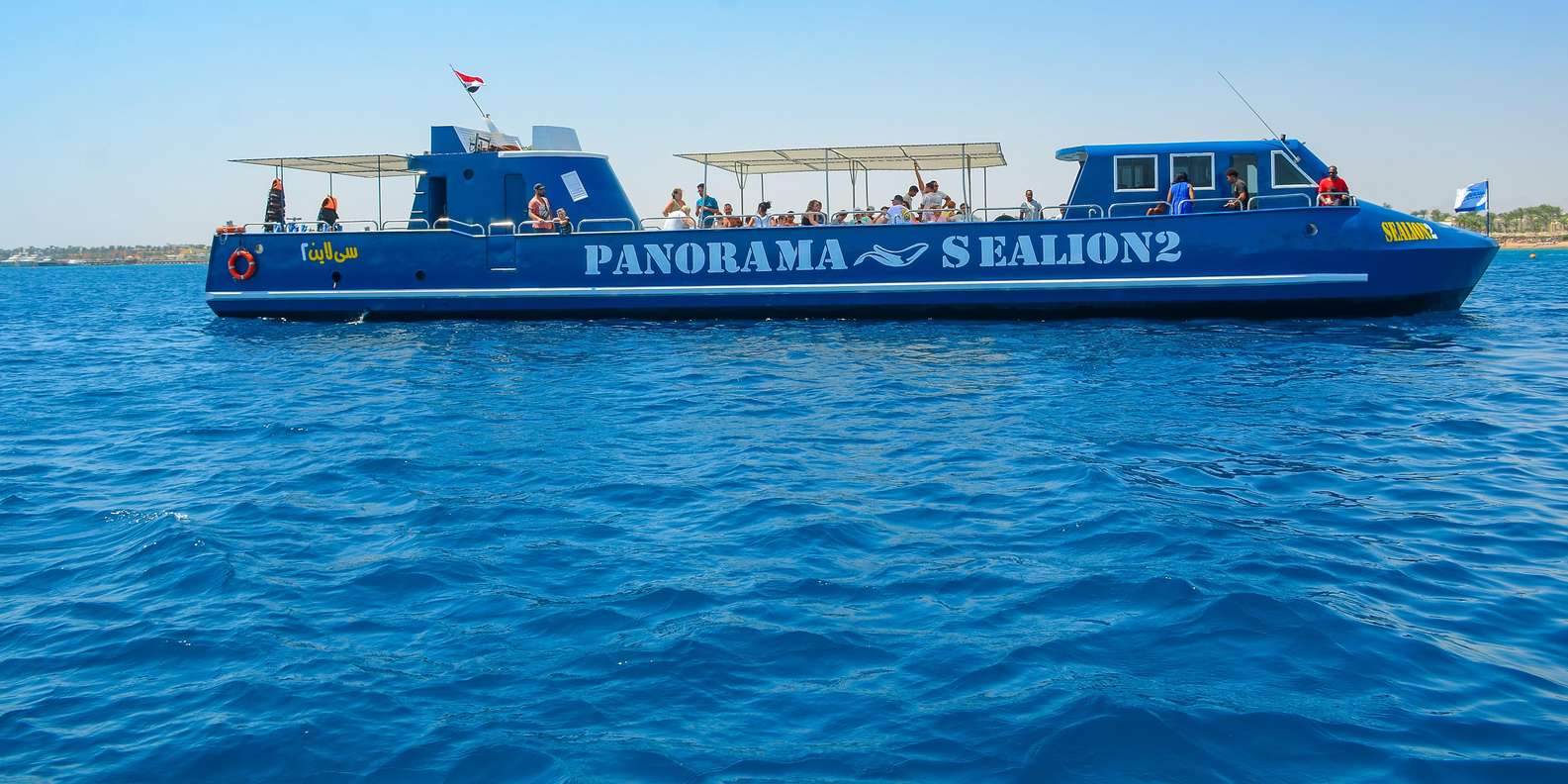
Safaga/Makadi Bay: Panorama Submarine & Snorkelling

Best Time / Conditions

October–May offers cooler desert air for firelit evenings and stable seas for snorkeling tours. Winter surface water sits near 22–24°C; nights inland can dip to 10–15°C, so pack layers. Early mornings bring glassy lagoons; afternoons can be breezier—great for windsurfers but choppy for novice swimmers. Summer offers calm seas but scorching dunes.

What to Expect

Hospitality starts with a palm-frond handshake: tea sweetened with sage, coffee ground to a rhythm, and thin flatbread puffed over steel. Stories travel by starlight—genealogies, migration routes, jokes that cross centuries. By day, you’ll fin over reef tables as anthias flicker. For tastes and etiquette, see our Red Sea seafood and Bedouin dining guide.

From Hurghada: Orange bay Snorkeling Cruise with Lunch

Who This Is For

Curious travelers who value voices over volume: families seeking gentle shore-access snorkeling tours, photographers chasing dusk silhouettes, diving experiencesrs resting their tanks, and learners who prefer questions to checklists. If you like small groups, unamplified music, and food with lineage, you’ll thrive. Bonus: many sites start steps from shore—no boats, just tide and time.

Booking & Logistics

Choose operators partnered with local families; ask how fees are split and group sizes capped (eight or fewer is ideal). In Marsa Alam, the Desert Jeep Safari & Bedouin Dinner blends sunset dunes with an open-fire meal. Bring cash in small notes, a headlamp, and a refillable bottle; plan for 4–6 hours door-to-door depending on camp distance.

Sustainable Practices

Reef-safe sunscreen (or long-sleeve rash guards) protects coral; never stand on or touch living structures. In camp, accept tea with your right hand, ask before photos, and buy textiles or beadwork directly from women artisans. Pack out waste, skip drones near settlements, and favor low-light camps that leave the Milky Way intact.

FAQs

Think of these evenings as cultural exchange with boundaries: your hosts decide what’s shared, and your role is to listen, learn, and ask respectfully. Keep plans flexible—weather, moonlight, and family events shape the night. You’ll leave with memories stitched from small details: spice smoke, hoofprints, wave hush.

Are Bedouin dinners “authentic” or staged?

It depends on scale and ownership. Community-run nights keep guest numbers low, use family recipes, and center conversation over performances. Avoid packages that bus in crowds for laser-lit shows. Ask who cooks, how many guests, and whether music is local. If the host leads the evening, you’re in good hands.

What should I wear and bring?

Dress modestly: shoulders and knees covered, breathable fabrics, closed shoes for rocky wadis, a light jacket for desert chill, and a scarf for wind. Pack reef-safe sunscreen, hat, and at least 1.5 liters of water per person. A small gift—dates or tea—can be a warm gesture, offered discreetly.

Is it safe and family-friendly?

With licensed guides and small groups, yes. Shore reefs let kids snorkel close to the beach with life jackets; camels do short, gentle walks. Desert nights are calm but cool—bring layers. Mobile signal can be patchy inland; let your hotel know plans and stick to marked tracks with your guide.

In the Red Sea destinations, stewardship is fluent in two languages—reef and desert. Share tea, float slowly, leave only footprints. The night will remember your silence; the morning, your care.

Part of:
Ultimate Red Sea Diving Guide 2026: Sharm, Hurghada & Beyond

Related Tours

Find more travel inspiration

Egypt 14-Day Itinerary: Ultimate Cairo to Red Sea Trip Plan
May 23, 2026Egypt 14-Day Itinerary: Ultimate Cairo to Red Sea Trip Plan
by Oriana Findlay
Egypt 10-Day Itinerary: Cairo, Luxor, Aswan & Red Sea 2026
May 22, 2026Egypt 10-Day Itinerary: Cairo, Luxor, Aswan & Red Sea 2026
by Oriana Findlay
Hurghada Boat Tours: Which One Is Right for You? 2026 Guide
May 21, 2026Hurghada Boat Tours: Which One Is Right for You? 2026 Guide
by Oriana Findlay

FAQs about Bedouin Culture on Egypt’s Red Sea: Camps and Reefs

Bring layers. Desert evenings can drop to 10–15°C in winter, even when days hit 22–25°C on the coast. Closed shoes, a light fleece, and a scarf cut wind and protect from blowing sand. In summer, breathable fabrics help when daytime highs inland reach 35–40°C, but you will still want a long-sleeve for night breezes.

Yes. Many hosts offer 4x4 access or shoreline walks to the camp, with camels available for short, optional rides. The Abu Galum route near Dahab, for instance, can be done partly by boat and partly on foot, while camel sections are paced gently and usually limited to 60–90 minutes per leg.

Absolutely. The Red Sea stays swimmable year-round, with typical surface temperatures around 22–24°C in January and 28–30°C in August. Pair a shore snorkel with an evening tea circle in Dahab, or a reef morning in Marsa Alam followed by a zarb dinner near Wadi El Gemal for a full sea-to-desert day.