
Hope on the Reef: Witness Anti‑Bleaching Innovation in Egypt’s Red Sea
Quick Summary: Snorkel or dive resilient Red Sea reefs while seeing community‑led conservation and anti‑bleaching tech in action. Choose responsible operators, learn reef‑safe habits, and directly support projects turning a global crisis into a model of hope.
Dawn breaks pink over a glassy Red Sea as your boat idles on a mooring buoy, not an anchor. Beneath, gardens of hard coral glow with anthias confetti. A guide points to small shaded frames and discreet sensors: anti‑bleaching tools monitoring heat, light, and flow. Here, climate‑tough corals aren’t just surviving—they’re teaching us how.
What Makes This Experience Unique
The Red Sea is a living laboratory where naturally heat‑tolerant corals—especially in the northern gulfs—are studied alongside practical anti‑bleaching tech. Travelers can witness the tools of resilience: shading pilots, coral nurseries, AI‑supported temperature logging, and widespread mooring systems that prevent anchor damage. You don’t just see reefs; you see solutions being tested in real time.
Where to Do It
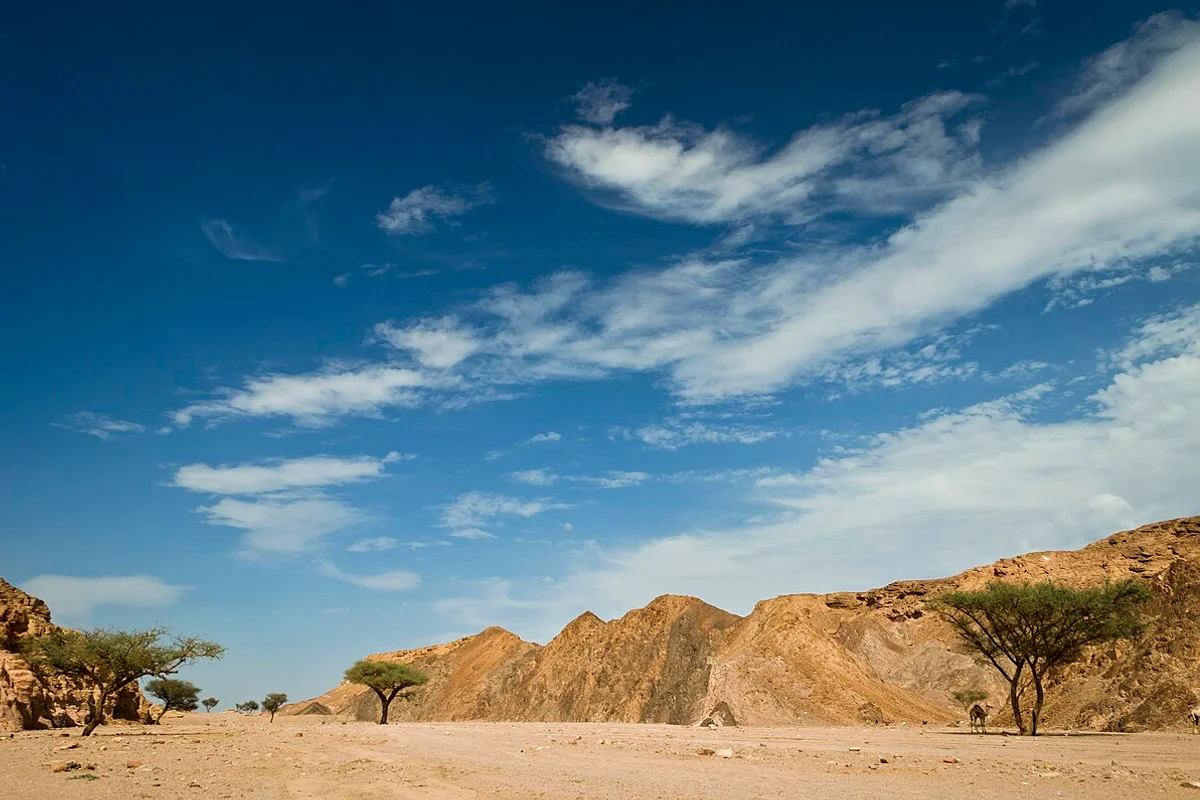
Start at Ras Mohammed and Tiran near Sharm for classic walls and thriving shallows, then continue to canyon and fringing reef systems around Dahab’s easygoing shores. Both hubs offer conservation‑minded operators and protected sites that showcase resilience firsthand (Sharm El Sheikh; Dahab). Farther south, Marsa Alam’s Coral Gardens and Abu Dabbab pair seagrass meadows with robust coral slopes.
Best Time / Conditions
This is a year‑round experience, but the most comfortable windows for travelers are March–June and September–November. Expect 20–30 m visibility and typical surface temperatures of 24–29°C with lighter morning winds. Summer heatwaves are increasingly monitored; morning departures and shaded boats help reduce stress for you and the reef while maximizing clear water.
What to Expect
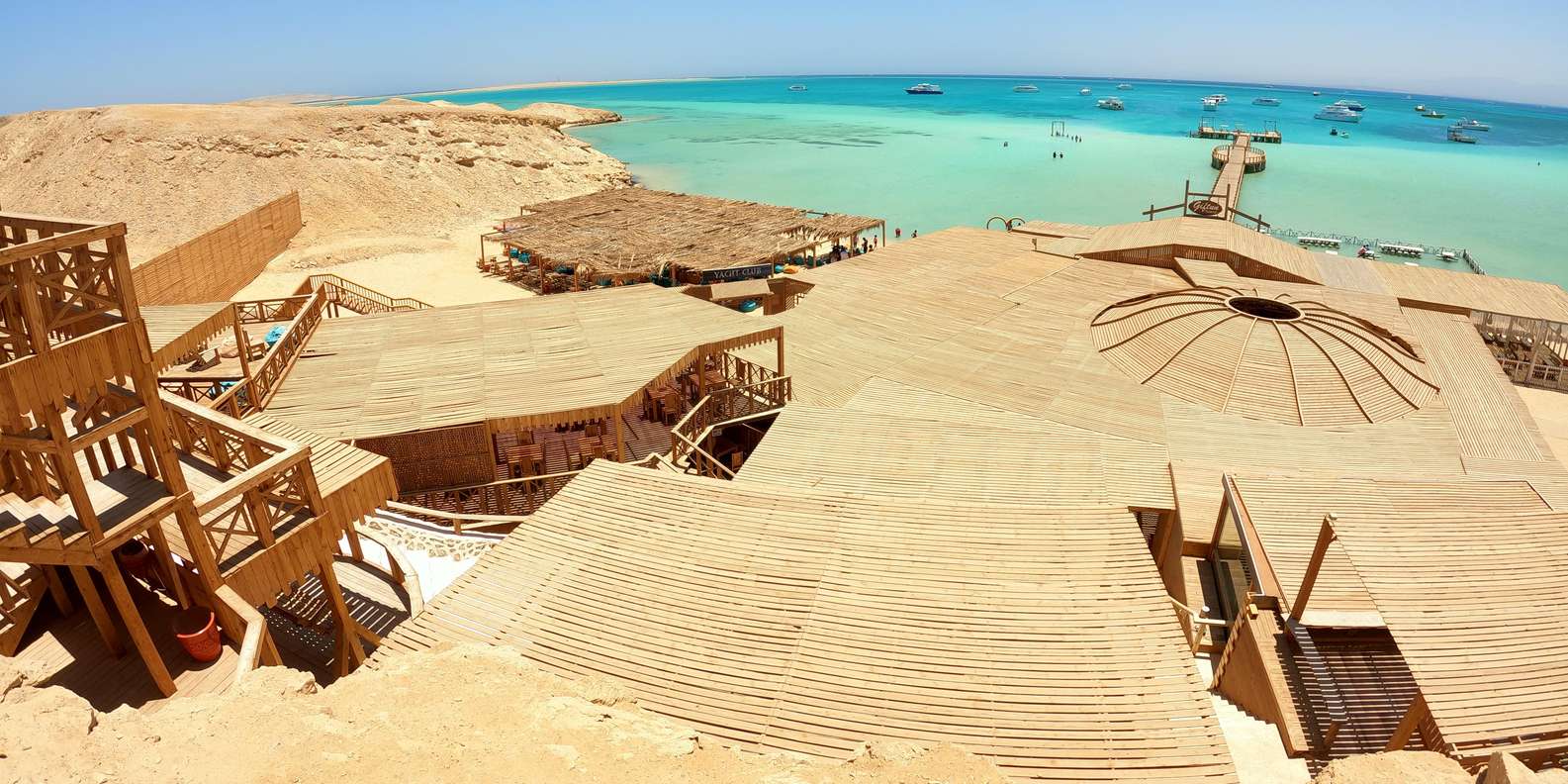
Briefings blend safety with science: how bleaching works, why the Red Sea is different, and what tech you might see—nursery frames, non‑invasive sensors, and permanent moorings. Snorkelers hover above 2–8 m terraces; divers explore gentle 10–18 m slopes. Boat runs range 30–90 minutes depending on the site. Wildlife highlights include anthias clouds, turtles, and occasional dolphins offshore.
Who This Is For
Curious snorkelers, conscientious divers, families seeking meaningful learning, and photographers after natural light in shallow gardens will thrive here. You needn’t be a scientist—just bring patience, buoyancy control, and a willingness to follow reef‑safe etiquette. Teens and first‑timers love the shallow shelves; experienced divers can focus on subtle coral morphology and habitat cues.

Booking & Logistics
Choose licensed operators using moorings, small groups, and reef‑friendly practices. Most trips include hotel pickup, equipment, and park permits. In Marsa Alam, a guided Marsa Mubarak snorkeling day pairs coral gardens with seagrass turtle sightings. From Sharm, the Blue Hole & Canyon Dahab tour reveals dramatic geology beside hardy reef life. Pack a rash guard, reef‑safe sunscreen, and a reusable water bottle.
Sustainable Practices
Float, don’t stand; keep fins high; and maintain at least 5 m from turtles and 10 m from dolphins. Opt for moored boats and skip anchoring coves. Choose mineral sunscreen or full‑coverage swimwear. Bring refillables and leave no trace. To go deeper, consider a citizen‑science day via join Red Sea coral conservation, and consult site‑by‑site guidance in the 2025 coral health report before you book.
FAQs
Travelers often ask how the Red Sea can remain so vibrant as oceans warm, and what they’ll realistically see on a day trip. This short FAQ covers reef resilience, how to witness anti‑bleaching work without intruding, and whether snorkeling or scuba provides the best vantage for understanding the story underwater.
Are Red Sea corals really resistant to bleaching?
They’re unusually tolerant—especially in the northern Red Sea—thanks to unique evolutionary history and local conditions. That does not mean invincible. Heatwaves, pollution, and physical damage still stress reefs. The resilience you’ll observe reflects both nature and management: moorings, park protections, and ongoing monitoring that flags risk periods early.
How can I see anti‑bleaching tools without disturbing sites?
Pick operators who brief groups on “look, don’t touch,” use moorings, and point out technology from a respectful distance. Many show nursery frames and temperature loggers in shallow water, perfect for snorkel viewing. Keep neutral buoyancy, avoid flash photography close to subjects, and follow your guide’s direction on approach routes and spacing.
Is snorkeling or diving better for witnessing resilience?
Both. Snorkeling excels over 2–8 m terraces where light‑loving corals and nursery frames sit, ideal for long observation in 20–30 m visibility. Diving helps you read sloping habitats at 10–18 m, compare species with depth, and appreciate mooring placements along drop‑offs. Choose based on comfort; many travelers do one of each.
On Egypt’s Red Sea, hope isn’t theoretical—it’s visible in every mooring line, coral nursery, and informed briefing. Travel thoughtfully, book with science‑minded crews, and you’ll help tip the balance from crisis to continuity while witnessing one of the planet’s most resilient reef systems up close.


