
Dive Smarter in Egypt: Red Sea Tips and Iconic Sites from Ras Mohammed to the Thistlegorm
Quick Summary: Year‑round clarity, easy logistics, and thrilling variety make Egypt’s Red Sea a diver’s dream. Pair smart safety habits with strategic planning to unlock Ras Mohammed’s living kaleidoscope, the haunting SS Thistlegorm, and Dahab’s Blue Hole—without leaving a trace.
Dawn at Ras Mohammed feels electric: glassy blue, gulls wheeling over white wakes, and the first backward roll into a drift brushed by anthias confetti. Egypt’s Red Sea remains a rare combo in 2025—warm, clear, logistically easy, and astonishingly biodiverse—where you can drift a wall in the morning, penetrate a WWII time capsule after lunch, and be home by sunset.
What Makes This Experience Unique
Few seas deliver such consistent visibility, biodiversity, and access. Expect 20–30+ meters of viz, profuse hard and soft corals, and schooling jacks, barracuda, and snappers on Ras Mohammed’s headlands. Add an underwater museum in the SS Thistlegorm—trucks, motorcycles, boots—and shore‑easy classics like Dahab’s Blue Hole, all within established, safety‑forward dive operations.
Where to Do It
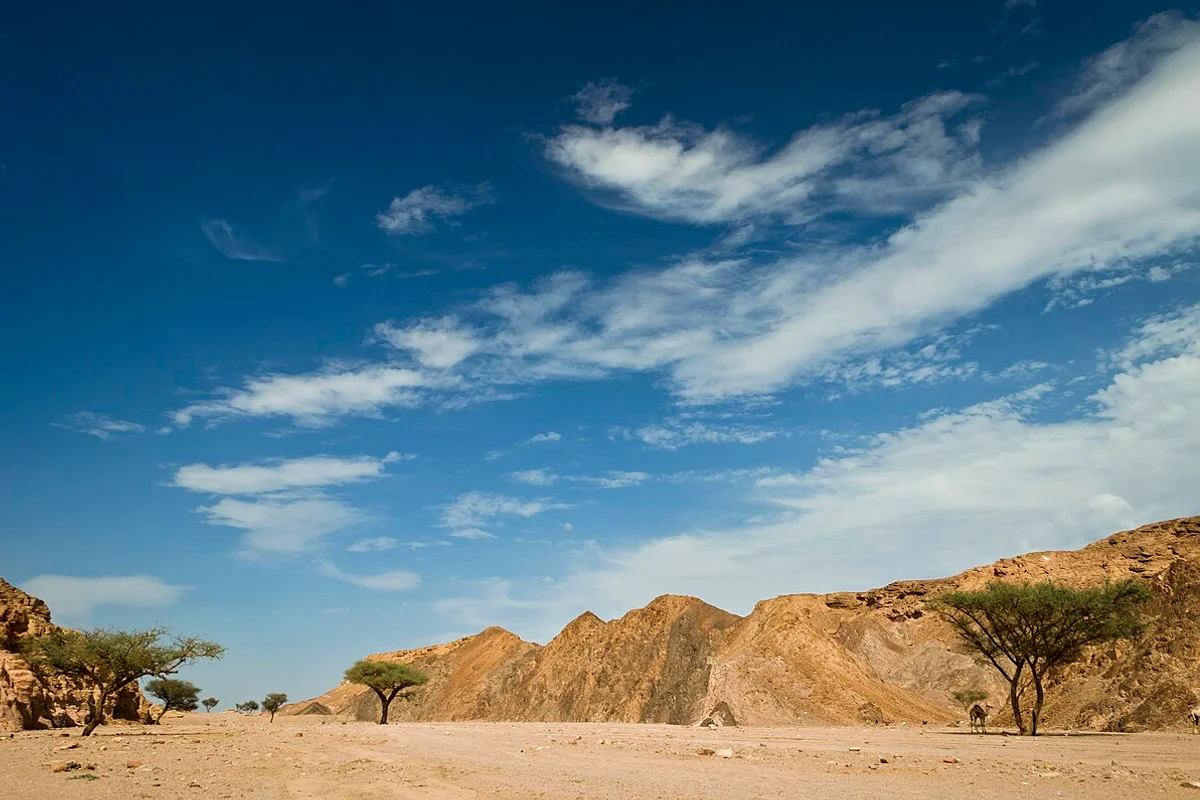
Families and mixed groups love the easy day-boat rhythm from Sharm El Sheikh, Hurghada, and El Gouna, where fringing reefs and sheltered sites let everyone find a comfortable depth and pace. Sharm is the launch point for Ras Mohammed National Park and the Strait of Tiran, while Dahab’s shore entries (Lighthouse, Eel Garden, the Blue Hole) suit divers who prefer flexible schedules and short surface intervals on land.
Wreck fans gravitate to the northern Red Sea routes and to sites reachable from Sharm: the SS Thistlegorm in the Gulf of Suez is the headline, but the broader area also includes other wreck diving depending on itinerary and conditions. Farther south, Marsa Alam is the practical base for reef systems with fewer boats and long coral gardens; Safaga, Soma Bay, Makadi Bay, Sahl Hasheesh, and the Hurghada coastline offer reliable day trips where operators can match sites to wind and experience level.
For a deeper breakdown of Sharm’s signature sites, see our guide to the best dive spots in Sharm el Sheikh.
Best Time / Conditions
Diving is year‑round. Expect sea temps around 22–24°C in winter, warming to 27–29°C in late spring–autumn; a thin to medium wetsuit covers most months. Summer brings balmier seas and more boat traffic; winter has crisper viz and fewer crowds. Ras Mohammed often runs moderate currents—perfect for drifts with SMBs and attentive buoyancy.

What to Expect
Day boats typically run two to three dives with lunch, tea, and shaded decks; liveaboards extend range. The Thistlegorm’s deck lies near 18 m with the seabed around 30 m; plan bottom time and gas accordingly. Dahab’s Blue Hole connects via a shallow saddle to the outer reef; the Arch (~56 m) is strictly technical.
Who This Is For
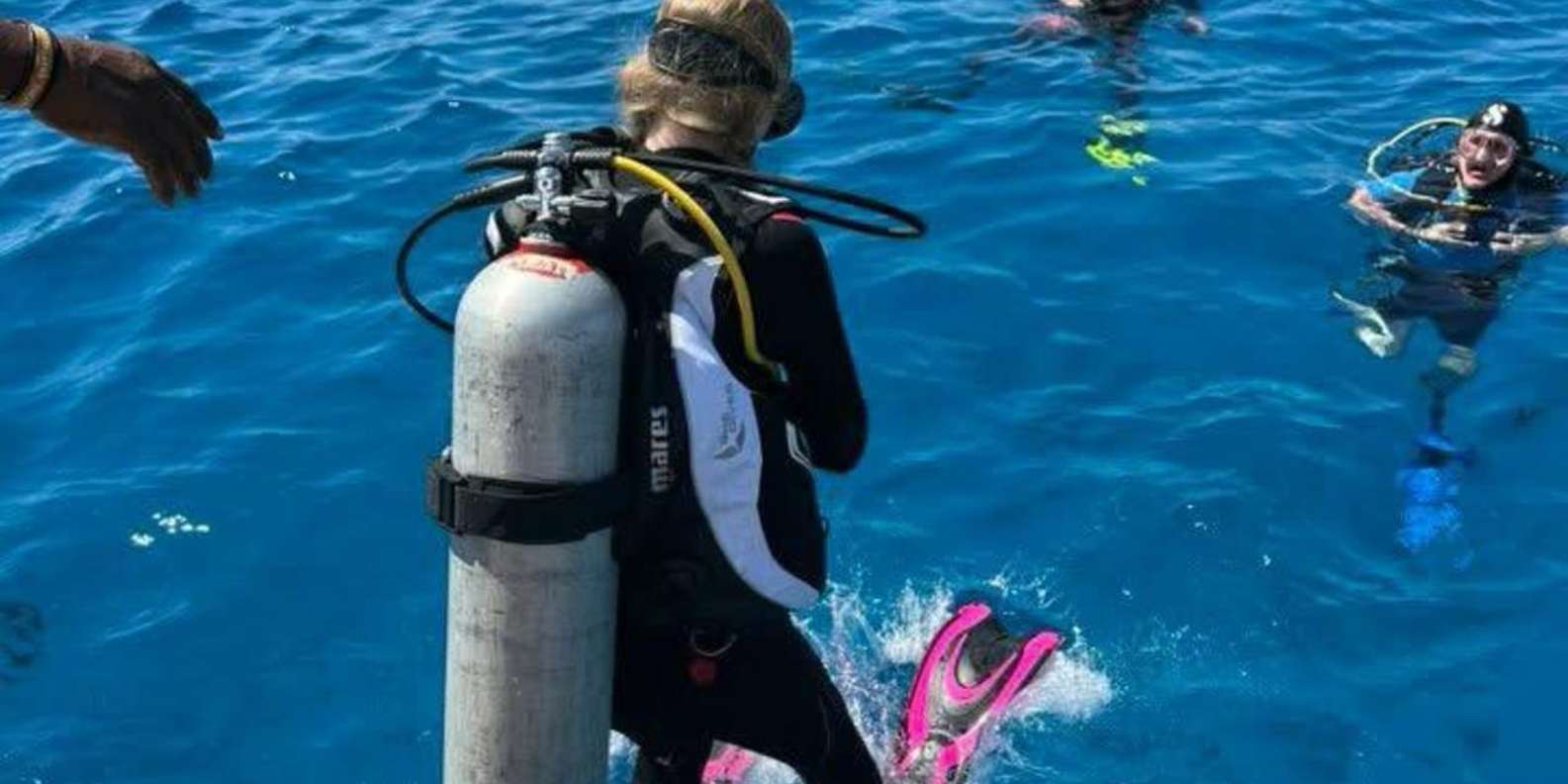
First‑timers thrive on calm fringing reefs and Discover Scuba programs; photographers chase schooling fish and soft‑coral color; advanced divers target wreck penetration and spirited drifts. If currents or depth margins make you hesitate, choose gentler profiles or request guides. Freedivers flock to Dahab for depth training and stable conditions off easy shore entries.
Booking & Logistics
Plan your diving around your base: Sharm El Sheikh and Hurghada have dense networks of day boats, while Dahab is built for shore diving with short transfers and relaxed timing. If you’re mixing diving with non-divers, El Gouna, Makadi Bay, Sahl Hasheesh, Soma Bay, and Safaga make it easy to split days between boat trips and beach time without long drives.
Bring your certification card (or digital proof), logbook if you have one, and travel insurance details that explicitly cover scuba. On the practical side, pack reef-safe sunscreen, a hat for surface intervals, and a light windbreaker for boat rides—especially outside summer, when the breeze can feel sharp once you’re wet. If you’re prone to seasickness, take your preferred remedy well before departure and stay hydrated.
Plan a no‑dive day before flying and keep profiles conservative toward the end of your trip, especially after repetitive dives or deeper wreck days. In Sharm, that surface day pairs well with time on land—Old Market and SOHO Square are easy options between gear rinse and flight prep.
Sustainable Practices
Red Sea reefs recover slowly from damage, so your buoyancy and fin control matter more than any “eco” label. Set up your weighting early in the trip, keep a horizontal trim over coral heads, and use gentle frog kicks in tight areas to avoid stirring silt or clipping table corals. If you use gloves, keep them for safety on lines and ladders—not for grabbing reef.
Choose operators that brief clearly on marine park rules, mooring use, and “no touch, no take” standards. In places like Ras Mohammed and Tiran, moorings reduce anchor damage; if a site is crowded, a good captain will rotate to a different reef rather than stacking boats on a single line. On wrecks like the Thistlegorm, follow established routes, avoid breaking off artifacts, and keep fins and gauges tucked in to protect both the site and the next diver’s visibility.
Reduce microplastic and chemical load during the trip. Use a rash guard or UV top to cut sunscreen use, and when you do apply sunscreen, pick reef-safer formulations and apply it well before entering the water. Refill a reusable bottle, skip single-use cups on day boats when possible, and secure lightweight items (caps, wrappers) on deck—wind is the fastest route from boat to sea.
Respect wildlife behavior rather than chasing photos. Give turtles, rays, and schooling fish space to move, and let cleaning stations work without crowding. If your guide points out a resident creature (like a crocodilefish or a camouflaged scorpionfish), keep your fins high, settle neutrally buoyant, and enjoy the sighting without turning the moment into a scrum.
FAQs
If you’re new to Egypt’s Red Sea, plan conservatively and build skills steadily. Start with shallow reefs before stepping up to drifts or wrecks. Verify your insurance covers diving to your certified depth and check gear with a buddy and guide before each entry. When in doubt, shorten the profile and enjoy the view.
Is the Blue Hole safe for beginners?
The Blue Hole’s surface is calm and beautiful, but its famous Arch sits around 56 meters—beyond recreational limits. Beginners can enjoy the shallow saddle and outer reef with a guide, keeping conservative depth and time. If conditions or crowds spike, choose Lighthouse or Eel Garden for a safer first taste.
Do I need nitrox for Red Sea day boats?
Not required, but highly useful for repetitive dives at moderate depths, extending no‑decompression time and reducing surface fatigue when combined with conservative profiles. You’ll need nitrox training and to analyze your cylinder. Always plan within your certification and dive computer settings, and hydrate well in the desert heat.
What certifications suit Ras Mohammed and the Thistlegorm?
Ras Mohammed’s drifts are great for Advanced Open Water or equivalent, with SMB skills and comfort in current. The Thistlegorm is typically dived 18–30 m; AOW is recommended, with wreck specialty for safe penetration. Carry a torch, mind silt, and follow lines; if visibility or surge worsens, keep it external.


