
Red Sea Pearl Diving: Heritage & Modern Adventures
Pearl diving in the Red Sea sits at the crossroads of maritime history and modern ocean travel. Long before dive computers and day boats, coastal communities relied on freediving skills, weather knowledge, and intimate reef awareness to gather pearls and other sea goods. Today, the Red Sea’s pearl-diving story is less about commercial harvest and more about cultural heritage, snorkeling and diving experiences, and learning how people once worked with the sea.
This guide explains what pearl diving meant historically around the Red Sea, where you can experience the heritage through museums, coastal towns, and sea excursions, and how modern tours in places like Hurghada, El Gouna, Makadi Bay, Sahl Hasheesh, Safaga, Soma Bay, Marsa Alam, Sharm El Sheikh, and Dahab connect you to that past—without harming reefs or marine life.
What Makes This Experience Unique
Pearl diving is one of the few marine traditions that blends human performance (breath-hold technique, equalization, surface support) with deep local knowledge (currents, tides, reef topography, and seasonal winds). Even when you’re not collecting pearls, tracing the practice helps you understand why certain bays, reef edges, and sheltered channels were favored—especially where chop and current could turn a working day into a risk.
The Red Sea itself adds a distinctive backdrop: warm-water reefs with high visibility, steep drop-offs close to shore in some areas, and busy shipping lanes that historically shaped coastal livelihoods. In many Red Sea destinations, you can combine a heritage-focused day on land with a modern boat trip to reefs where you’ll see giant clams, parrotfish, surgeonfish, butterflyfish, and, on luckier days, hawksbill turtles grazing on sponges.
Modern “pearl diving” experiences in the region are typically framed as educational freediving/snorkeling with cultural storytelling, not extraction. That shift matters: wild oyster beds are not tourist attractions, and the ecological value of reefs—especially nursery areas for reef fish—far outweighs any souvenir hunt.
Where to Do It
Hurghada, Makadi Bay & Sahl Hasheesh
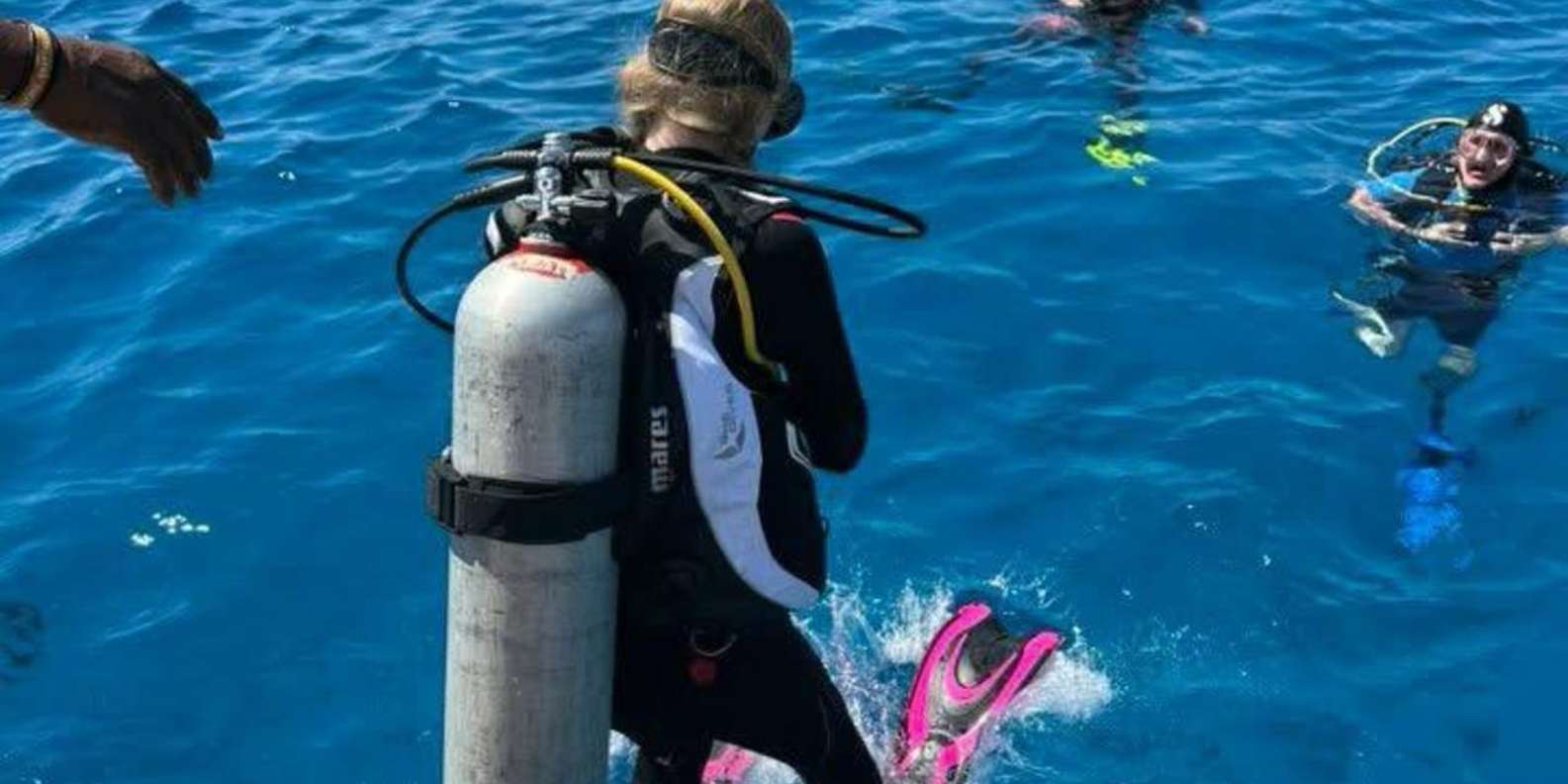
From Hurghada and nearby resorts like Makadi Bay and Sahl Hasheesh, most sea days run as snorkeling or scuba trips to classic reef systems and sheltered lagoons. While these trips aren’t pearl-harvesting outings, they’re excellent for understanding the working seascape that supported older coastal livelihoods: you’ll pass reef flats, sandy channels, and coral heads where small boats can tuck in when the wind rises.
Expect reefs with strong “Red Sea signatures”: schools of bannerfish, anthias clouding above coral, and occasional sightings of moray eels in bommies. If you want the heritage angle, look for excursions or guides who explain traditional seafaring and freediving methods alongside reef interpretation—how people read surface ripples for current lines, or used landmarks to navigate without instruments.
El Gouna
El Gouna is ideal if you prefer calmer water time and an easy intro to breath-hold technique. Its lagoon system and nearby reefs make it simpler to plan a half-day on the water with plenty of surface intervals—useful if you want to try a basic freediving session (with proper supervision) that echoes the physical side of old pearl diving without pushing limits.
Pair the sea time with a land-based cultural stop—maritime stories in the Red Sea make more sense when you see how settlements sit behind protective reef lines and shallow shelves. It’s also a practical base for families or mixed groups where not everyone wants a full offshore day.
Safaga & Soma Bay
Safaga and Soma Bay are known for reef walls and slopes that can give you a more “open-sea” feel than the most sheltered bays. That matters for understanding why historical divers depended on surface teams and weather windows; even modern snorkelers notice how wind direction changes the surface texture and how quickly chop builds outside protected areas.
For modern adventures, these areas are often about comfortable boat diving and snorkeling with consistent visibility. If you’re interested in the human side of the sea, ask guides about how tides and current affect drift lines and why certain moorings are chosen—small operational choices that mirror older risk management.
Marsa Alam (Wildlife Focus + Clear Link to Traditional Sea Skills)
Marsa Alam has a more remote feel, and the sea life encounters can be the highlight. Depending on conditions and regulations, trips in the region may focus on areas where you might see spinner dolphins offshore or dugongs in seagrass zones (sightings are never guaranteed). The broader setting—long coast, fewer big-city distractions—helps you imagine how communities relied on the sea as a primary resource.
If your goal is to connect heritage to the water respectfully, Marsa Alam is also a good place to prioritize reef etiquette and wildlife codes: keeping distance, avoiding chase behavior, and staying off sensitive coral. Those habits are part of the modern “working with the sea” mindset.
Sharm El Sheikh & Dahab
Sharm El Sheikh offers access to famed reef systems and professional dive logistics—great for travelers who want a polished experience with strong safety culture. While the modern scene is mostly scuba and snorkeling, the broader Sinai area has a long relationship with seafaring routes and coastal trade, which ties into maritime heritage themes.
Dahab, meanwhile, is closely associated with freediving and shore-entry diving culture. If you’re curious about the athletic side of old pearl diving—breath control, calm movement, efficient finning—Dahab is a natural base to learn modern techniques with qualified instructors, then apply them in a controlled, low-impact way on reefs and lagoons.
Best Time / Conditions
For comfortable water time, the Red Sea is broadly a year-round destination, but conditions shift by season. Late spring through early autumn generally brings warmer sea temperatures and longer days, which suits snorkeling and introductory freediving sessions that benefit from warmth and relaxed surface intervals.
Winter months can bring cooler water and more wind exposure, especially in open areas. That doesn’t rule out sea trips—many run all year—but it changes what you should pack and how long you’ll want to stay in the water. If you’re focusing on heritage-style freediving practice (even just shallow breath-hold drills), prioritize days with calmer surface conditions and strong guide supervision.
Visibility is often excellent, but it’s not identical everywhere: sandy bays can cloud up after wind, while offshore reefs tend to stay clearer. Currents also vary by site; your operator will choose locations that match conditions and group ability.
What to Expect
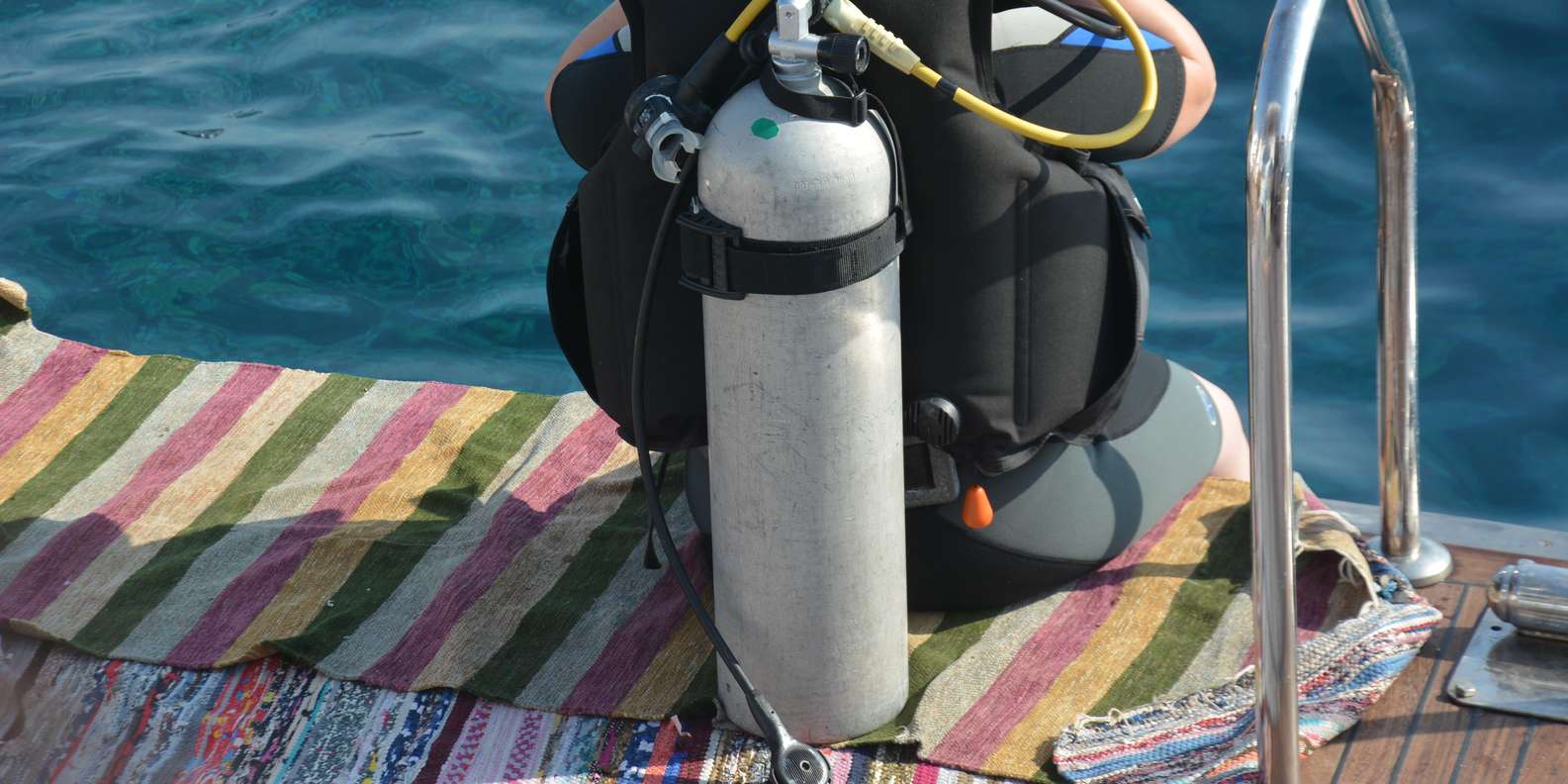
A modern “pearl diving heritage” day typically looks like a hybrid: cultural context first, then a water experience built around snorkeling, basic freediving skills, or scuba. On the water, you’ll usually get a safety briefing (entry/exit, buddy system, boat signals), then rotate between reef time and rest time—especially if anyone is practicing breath-hold.
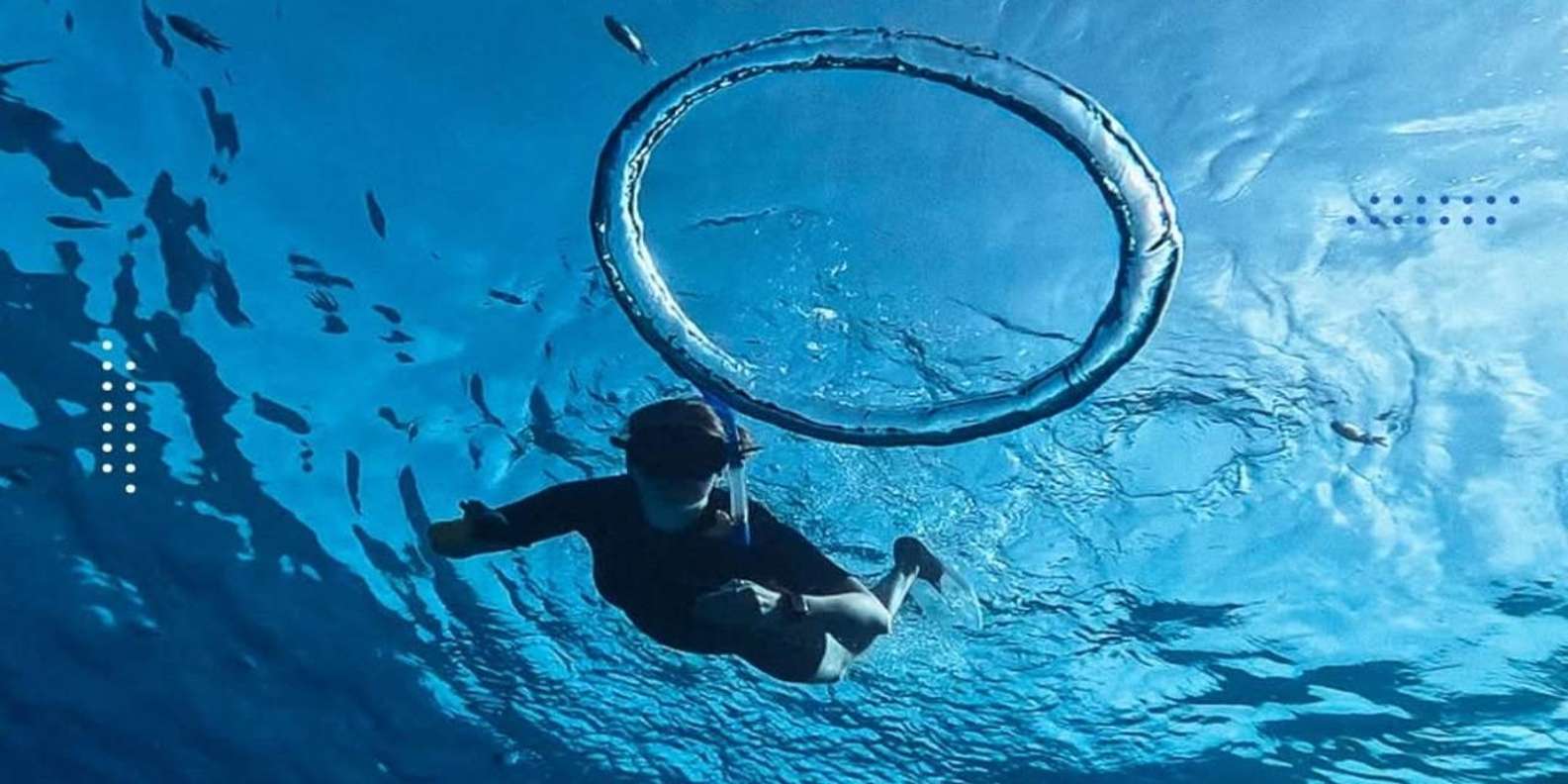
In the water, expect to spend much of the time in the 0–10 m range for snorkeling and intro freediving, where coral structure, reef fish activity, and light are strongest. You’ll likely see common Red Sea reef residents such as clownfish in anemones, wrasse cleaning stations, and schools of small baitfish flashing over coral heads. Your guide may point out how divers use natural markers—coral pinnacles, sand tongues, and reef edges—to keep orientation, similar to how earlier sea workers navigated familiar grounds.
On land, heritage context may include a brief explanation of traditional pearl diving tools and routines (breath control, surface support, and seasonal planning) and how modern conservation changes what’s appropriate today. The key takeaway is that the “adventure” is now about skill-building and understanding—not taking shells or disturbing habitats.
Who This Is For
This experience suits travelers who want more than a standard snorkeling checklist. If you like learning how places work—why reefs form where they do, how winds affect routes, and how coastal communities historically relied on the sea—you’ll get a lot out of a heritage-framed day.
It’s also a good fit for beginners who want a gentle introduction to breath-hold techniques, provided they train with qualified professionals and follow strict safety rules (never practice breath-hold alone). Confident swimmers can enjoy longer water sessions, while non-swimmers can still participate in the cultural components and boat time in many destinations.
If your priority is advanced freediving depth performance, you’ll need a dedicated course and appropriate sites, not a casual tour. The heritage angle works best when it’s paired with responsible, skill-appropriate water time.
Booking & Logistics
In Routri destinations such as Hurghada, El Gouna, Makadi Bay, Sahl Hasheesh, Soma Bay, Safaga, Marsa Alam, Sharm El Sheikh, and Dahab, look for tours described as snorkeling, diving, or freediving experiences with an educational component. Operators typically provide core safety equipment for the activity type (mask/snorkel/fins for snorkeling; full kit for scuba when applicable), plus briefings and guide supervision.
Bring reef-safe essentials: a long-sleeve rash guard for sun protection, a towel, and hydration for hot months. If you’re prone to seasickness, plan accordingly for boat days, and eat lightly before departure. For photography, a simple action camera works well in shallow reef light; just avoid resting on coral or blocking wildlife movement for shots.
Ask practical questions before you go: whether the day is boat-based or shore-entry, the approximate time on the water, and whether there’s a dedicated freediving instructor if breath-hold skills are part of the plan. A well-run trip will emphasize the buddy system, controlled entries, and conservative limits—especially for anyone attempting breath-hold dives.
Sustainable Practices
Pearl diving history is inseparable from marine ecosystems, so modern experiences should actively protect them. Do not collect shells, oysters, or coral fragments; even empty shells can serve as habitat, and removing them changes the micro-ecosystem. Treat any “pearl hunt” framing as storytelling—responsible operators should not encourage extraction.
Use established moorings rather than anchoring on reefs, and follow your guide’s site rules. Maintain neutral buoyancy if scuba diving, and keep fins up and away from coral when snorkeling over shallow areas. In seagrass zones—important for species like turtles and, in some areas, dugongs—avoid standing or kicking up sediment that smothers vegetation.
Finally, respect wildlife spacing and behavior. If dolphins or turtles appear, stay calm, give them room to pass, and never chase. The most meaningful heritage connection is recognizing that the sea is a living system first, and a tourism backdrop second.
FAQs
Is pearl diving still practiced in the Red Sea today?
Commercial pearl diving as a major livelihood is not a common modern activity in the Red Sea tourism scene. What most travelers encounter today are snorkeling, scuba, or freediving trips that explain the history and human skills behind traditional pearl diving. Responsible experiences focus on education and reef protection rather than collecting oysters or shells.
Can beginners try a “pearl diving” style experience safely?
Yes, beginners can safely try shallow breath-hold skills or guided snorkeling when it’s supervised by qualified professionals and run with strict safety rules. Never practice breath-holding alone, and avoid pushing depth or time goals on a casual tour. A good operator will keep the session conservative and prioritize comfort, surface intervals, and buddy checks.
What marine life will I see on Red Sea reef trips connected to this theme?
Most trips visit coral reefs where you can commonly see reef fish like parrotfish, surgeonfish, butterflyfish, wrasse, and schools of anthias. Depending on the area and conditions, you may also spot hawksbill turtles, rays, or (more rarely) dolphins offshore. Sightings vary by site, season, and luck, but shallow reefs usually offer the most consistent viewing.
Which Red Sea destinations are best for combining heritage and water activities?
Hurghada and nearby bays (Makadi Bay, Sahl Hasheesh) are convenient for day boats and easy logistics, while El Gouna suits calmer lagoon-style water time. Marsa Alam is strong for a more remote nature feel, and Dahab is well known for freediving culture and shore-based sessions. Sharm El Sheikh offers highly organized dive infrastructure and access to iconic reefs.
What should I bring for a reef day if I’m interested in freediving-style snorkeling?
Bring a rash guard or light wetsuit layer for sun and temperature comfort, plus water, a towel, and reef-safe sun protection. If you have your own mask that fits well, it’s worth using—comfort and a good seal matter more than brand. Avoid gloves and touching the reef, and keep your fins and body position controlled over shallow coral.
The story of pearl diving experiences in the Red Sea is a testament to human ingenuity, resilience, and harmony with nature. As you immerse yourself in the region’s coral reefs and participate in Red Sea experiences, you become part of a living tradition that continues to inspire and sustain coastal communities. Ready to dive deeper? Explore our range of diving experiences tours or read more insightful articles on the Routri blog for your next adventure.


