
“Green diving experiences” in the Red Sea: Beyond Badges to Real Reef Recovery
Quick Summary: Eco logos alone don’t guarantee impact. In Egypt’s Red Sea, the most credible operators turn standards into habits—mooring over anchoring, tiny groups, buoyancy coaching, and community-led monitoring—so coral cover, fish biomass, and seagrass beds actually rebound.
Morning light breaks across the Red Sea like polished glass. On deck, a guide runs a meticulous briefing: moorings only, fins off near ladders, no gloves, neutral buoyancy checks at 5 meters. It’s unglamorous, even fussy—and exactly the difference between a “green” logo and a reef that’s actually recovering.

What Makes This Experience Unique
“Green diving experiences” here isn’t an abstract pledge; it’s a choreography of small choices that add up. Certifications can set a baseline, but the real proof is in behavior: boats on fixed moorings, crews intercepting drifting nets, guides logging crown-of-thorns sightings, and guests trained to hover, not kneel. These habits reduce breakage, silt, and stress on corals and fish nurseries.
Where to Do It
Ras Mohammed’s steep walls and schooling fish reward careful teams, while Dahab channels shore-entry simplicity into serious discipline at the Blue Hole. In Hurghada, day boats fan to Giftun’s reefs for mellow practice dives. Sharm El Sheikh’s classic sites—Shark & Yolanda, Tiran—benefit from mooring-first operations; see our field guide to local dive sites for context and safety nuances in the area’s currents and traffic around Sharm el Sheikh.

Best Time / Conditions
Year-round diving experiences, with water around 22–24°C in winter and 28–29°C in summer; visibility often 25–35 meters. Peak comfort spans April–June and September–November. Summer thermoclines can sharpen buoyancy learning; winter winds favor sheltered reefs. Giftun runs are typically 45–60 minutes by boat from Hurghada, good for unhurried, low-impact training dives.
What to Expect
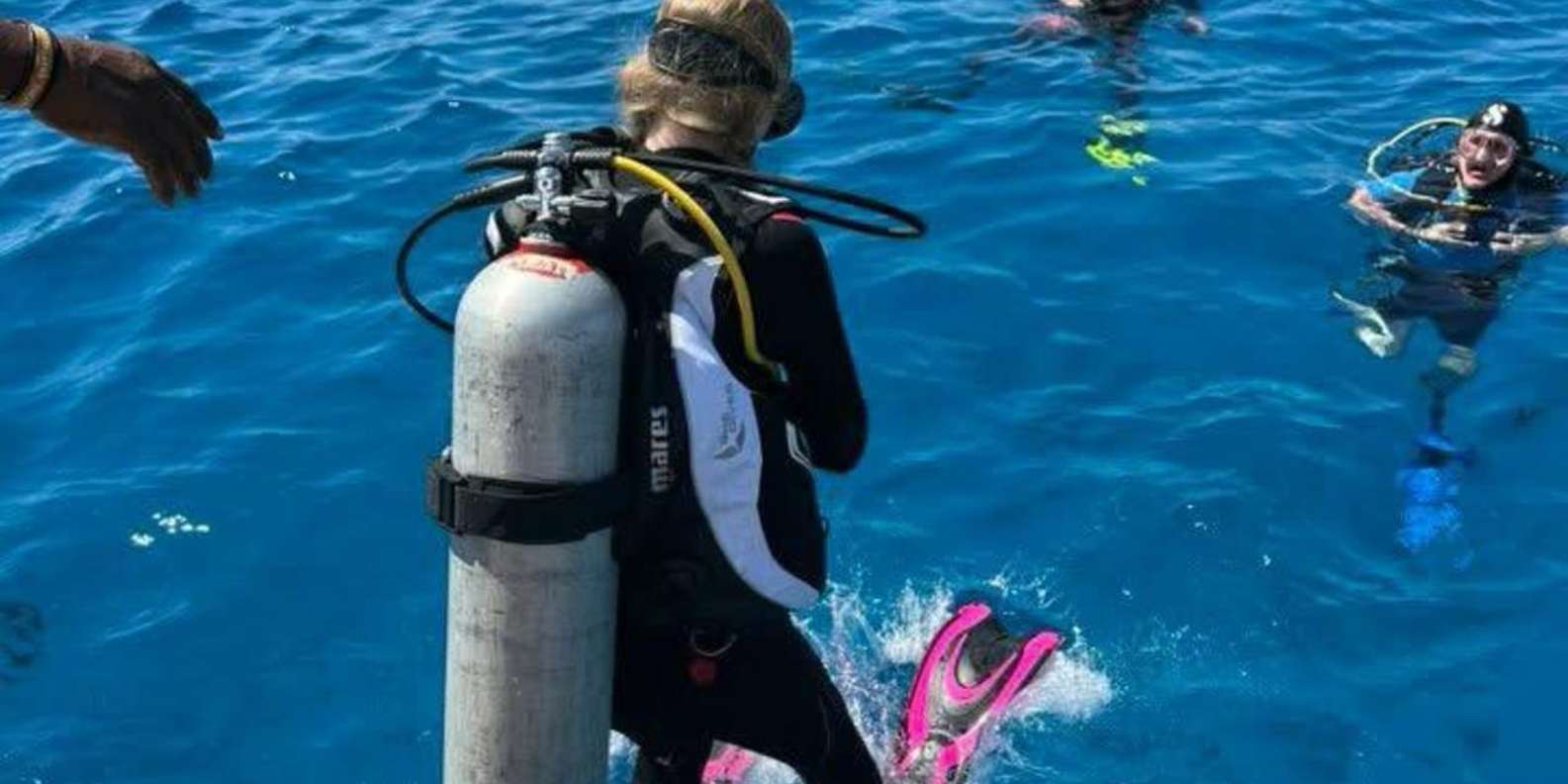
Expect thorough briefings, capped group sizes (often four divers per guide), buoyancy checks on descent lines, and slow finning to keep silt off corals. Crews tie to fixed moorings; no anchors drop on reef. Surface intervals may include debris scans or data logging. You’ll exit with sharper skills—hovering still for photos, frog-kicking, and fingertip trim.
Who This Is For
Certified divers seeking healthy reefs and ethical trips, new divers wanting coach-level buoyancy help, snorkeling toursers who value seagrass turtle habitat, and photographers who prefer calm, patient teams. Tech and freedivers find structure at Dahab’s Blue Hole; families do well on sheltered fringing reefs where supervision and shallow hard-coral gardens overlap.
Booking & Logistics
Ask operators how they implement standards: moorings every time, max group sizes, no-touch codes, and refill stations for water. Transparent operators welcome questions and list sites flexibly to avoid crowding. For classic walls and clear protocols, consider a Ras Mohammed diving experiences day that pairs training with spectacular reefs from Sharm el Sheikh. Curious about a mixed day? A Blue Hole and Dahab city combo keeps focus on safety and shore entries with guides who brief rigorously.
Sustainable Practices
Look for five signals of substance: fixed moorings, not anchors; buoyancy and trim coaching before every dive; small groups and staggered entries; respectful wildlife protocols (no feeding, never chase); and community contribution—be it reef monitoring days, ranger coordination, or sourcing local, reusable catering. These reduce breakage and stress while building local stewardship.
FAQs
Many travelers ask whether eco badges truly matter. In 2026, frameworks help, but their power depends on daily habits and transparent reporting. A strong operator can explain how standards change behavior, share site-rotation plans to avoid pressure, and show logs—from debris tallies to coral-health notes—that connect boats to measurable reef outcomes.
Which eco certifications actually mean something here?
Frameworks that emphasize mooring use, guide training, and visitor behavior—paired with audits or mentoring—are most helpful. Yet even good badges are baselines. Prioritize operators who can show how they cap groups, rotate sites, and coach buoyancy. Ask for examples of reef or seagrass monitoring they’ve supported alongside local stakeholders.
How do I spot greenwashing on a dive boat?
Watch for anchors on reef, gloves allowed, big groups, or rushed briefings. If refill stations lack, single-use plastic piles up, or wildlife is fed or chased, the logo isn’t translating into practice. A credible team explains no-touch rules, demonstrates mooring tie-ins, and will cancel a site when conditions risk reef damage.
Will stricter rules limit what I see underwater?
Usually the opposite. Quiet, slow teams see more; low-silt approaches keep coral polyps open and fish relaxed. Rotating away from crowded pinnacles protects cleaning stations, so sharks, rays, and anthias aggregations behave naturally. Neat trim lets photographers linger without contact, and patient groups often enjoy longer, calmer encounters.
In the Red Sea, sustainability is not a sticker; it’s the discipline that keeps reefs dazzling for your next dive. If you’re weighing where to base yourself, our comparison of Marsa Alam and Sharm El Sheikh helps match your ethics with conditions, access, and marine life across two iconic hubs.


