
Red Sea marine parks are where Egypt’s most intact reefs, big-fish action, and conservation rules meet in one place. These protected areas set limits on anchoring, fishing, and visitor behavior so coral gardens, seagrass meadows, and shark routes have room to recover and stay healthy. This guide covers what makes Red Sea marine parks special, where to dive and snorkel from Routri hubs like Hurghada, Marsa Alam, El Gouna, Sharm El Sheikh, Dahab, Makadi Bay, Sahl Hasheesh, Soma Bay, Safaga, and how to plan a trip that supports protection rather than pressure.
What Makes This Experience Unique
Marine parks in the Red Sea protect “reference reefs” that show what coral ecosystems look like with fewer stressors. You’ll often notice higher coral cover on exposed reef walls, more schooling fish around pinnacles, and a wider mix of habitats in one day—reef flats, drop-offs, lagoons, and sandy channels with rays and garden eels. The best days feel like a moving field study: butterflyfish picking at coral heads, anthias hovering above the reef crest, and moray eels tucked into ledges.
They’re also managed environments, which changes the in-water experience. Many sites use fixed moorings so boats don’t drop anchors onto coral, and rangers enforce rules around fishing, spearfishing, and collecting shells or coral. That protection is a big reason iconic sites still deliver: steep walls with hard corals, bommies covered in soft coral, and reef fish that don’t immediately bolt the moment a diver approaches.
Finally, marine parks concentrate the Red Sea’s “headline species” because they protect key feeding and cleaning stations. Depending on the season and location, that can mean turtles over seagrass, dolphins in sheltered bays, reef sharks cruising current lines, and eagle rays passing over sandy slopes. Conditions can be demanding—current, depth, and blue-water drop-offs—so the payoff often comes with a bit more planning and respect for limits.
Where to Do It
Ras Mohammed National Park
Ras Mohammed is the classic marine park base for Sharm El Sheikh day boats. Expect dramatic walls, strong current lines, and dense reef life on sites such as Shark & Yolanda Reef, Ras Za’atar, and the gardens along the park’s edges. Depth profiles vary widely: you can snorkel the shallows or drop to deeper ledges, but many signature scenes happen between roughly 5–25 meters where light and coral growth are strongest.
Plan for drift-style dives when the current is running. Guides typically brief clear separation points and pickup procedures, and it’s normal to surface with your SMB deployed. For snorkelers, the best viewing is often on the sheltered side with less chop; a short swim can put you over coral heads busy with parrotfish, wrasse, and clouds of damselfish.
Tiran Strait
The Tiran area (often visited from Sharm) is famous for current-swept reefs and big structure. Reefs like Jackson, Woodhouse, Thomas, and Gordon sit where water movement brings nutrients, which can mean large schools of snapper and barracuda when conditions align. This is a place where good buoyancy and current awareness matter; many dives are planned as drifts along the reef edge.
If you’re newer to diving, ask for a site choice that keeps you on the reef rather than out in the blue. For experienced divers, the appeal is the “fast reef” feeling—coral-covered slopes, sudden drop-offs, and the chance of pelagic sightings when visibility is high and the current is clean.
Abu Galum & Ras Abu Galum
Dahab’s protected areas offer a different style: shore entries, long reef lines, and a calmer pace compared with boat-heavy hubs. Abu Galum is known for healthy fringing reefs and a sense of space; it’s common to combine snorkeling and diving with a 4x4 or boat transfer up the coast. Depth tends to shelve gradually before dropping, which is friendly for longer bottom times and extended snorkeling.
Because Dahab is set up for shore diving, logistics can be simple: kit up near the entry, swim out over the reef, and return along a shallow garden. It’s an excellent choice for photographers who want time to work with natural light and for travelers who prefer fewer boat hours.
Wadi El Gemal–Hamata National Park
South of Marsa Alam, the Wadi El Gemal area and the Hamata islands region protect mangroves, seagrass, and reefs—multiple ecosystems that support turtles and other coastal wildlife. Snorkeling here can be especially rewarding because shallow habitats are part of the protection story, not just deep walls. Look for seagrass patches where green turtles feed and sandy channels where rays cruise through.
Boat trips often focus on reef edges around the islands and sheltered lagoons depending on wind. Conditions are usually planned to suit mixed groups of divers and snorkelers, but the region can still get breezy; a flexible schedule helps you land the best sea state.
Giftun Islands & surrounding protected zones
From Hurghada and El Gouna, day boats commonly head toward island reefs and designated protected areas where moorings and park rules reduce damage. These trips are popular for a reason: shorter boat rides than the far south, wide sandy lagoons for snorkelers, and reef edges that suit beginner divers while still offering lively fish action.
Expect classic Red Sea scenes—coral gardens in the shallows, reef fish density around 8–15 meters, and occasional turtles in quieter bays. Because these sites see high visitation, going early, choosing smaller-group boats, and following no-contact practices makes a noticeable difference.
Makadi Bay, Sahl Hasheesh, Soma Bay, Safaga
These resort areas are strong options if you want access to reefs without long transits. Many locations offer house reefs for snorkel sessions and check dives, plus day-boat routes to offshore reefs when weather allows. Safaga, in particular, is known among divers for varied topography—reefs, pinnacles, and sandy slopes—making it easy to match sites to experience level.
For families and mixed-ability groups, the advantage is choice: snorkel from shore in calmer water, then schedule a boat day for stronger reef structure once you’re comfortable. For divers, it’s also a practical base if you want to build skills before tackling current-heavy marine park sites.
Best Time / Conditions
The Red Sea is diveable year-round, but marine park conditions shift with wind, water temperature, and current. In general, late spring to early summer (roughly April to June) and autumn (roughly September to November) balance warm water with manageable winds. Winter brings cooler air and choppier days—especially in open-water areas—so boat routes may change more often.
Water temperatures typically range from about 22–24°C in winter to about 28–30°C in late summer. A 5 mm wetsuit works for many divers in shoulder seasons; in winter, some prefer 7 mm or a hood for longer dives, especially on windy days. Visibility is often excellent, but plankton pulses can reduce it while also increasing the chance of seeing larger filter-feeding activity in the blue.
Currents are part of the marine park appeal, particularly around straits and headlands like Tiran and Ras Mohammed. Current direction and strength can change within the same day, so listen closely to briefings and be ready for a drift plan. If you’re prone to seasickness, choose larger boats, take preventative measures early, and avoid heavy breakfasts on bouncy mornings.
What to Expect
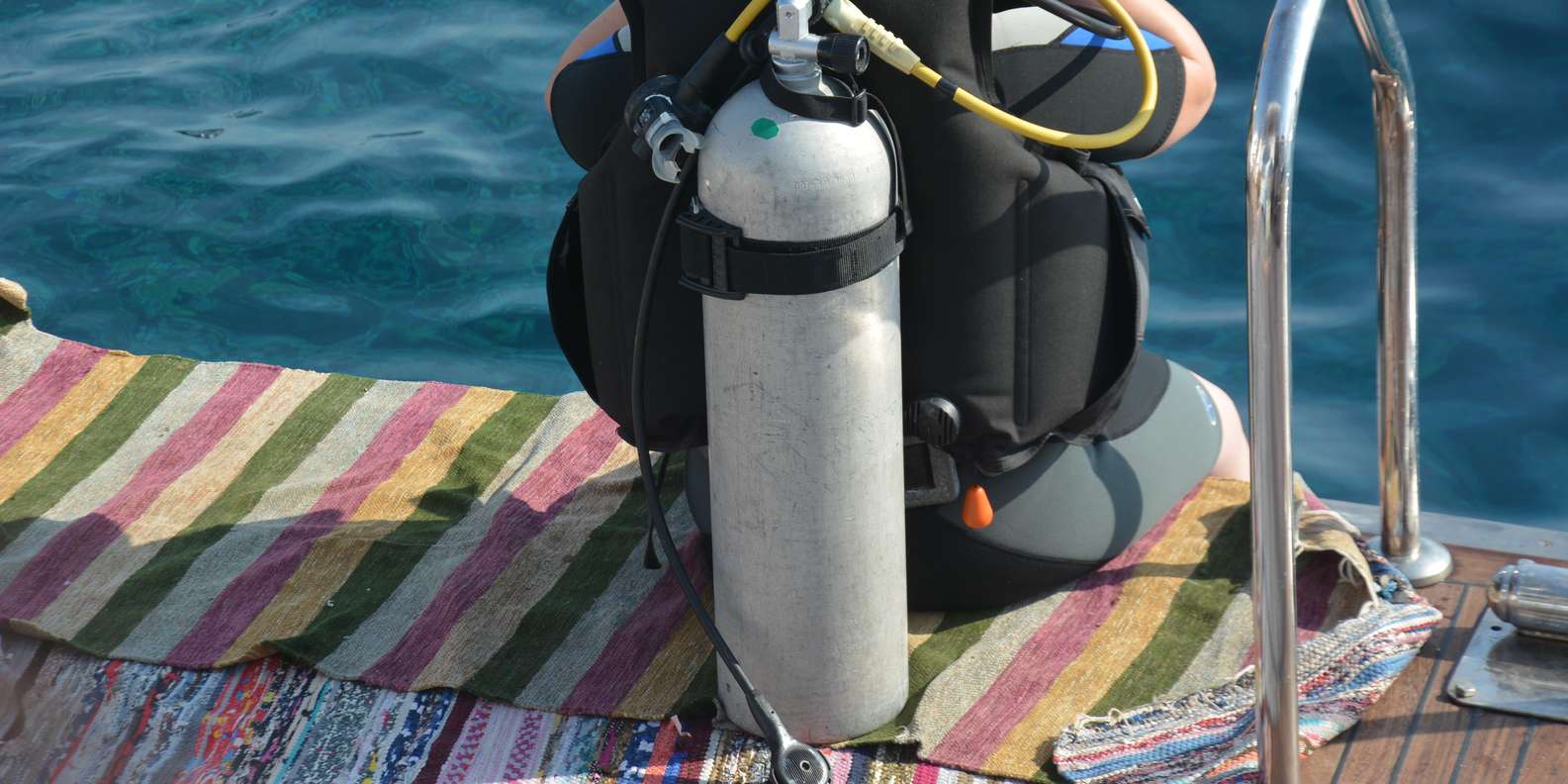
A typical marine park day starts with early pickup from hubs like Hurghada, El Gouna, Sharm El Sheikh, or Marsa Alam, followed by a boat ride to the protected zone. On the way, guides usually cover park rules: no touching coral, no chasing turtles or dolphins, maintain spacing, and use mooring lines rather than dropping anchors. You’ll often be asked to keep fins up in shallow water and to control buoyancy carefully over coral heads.
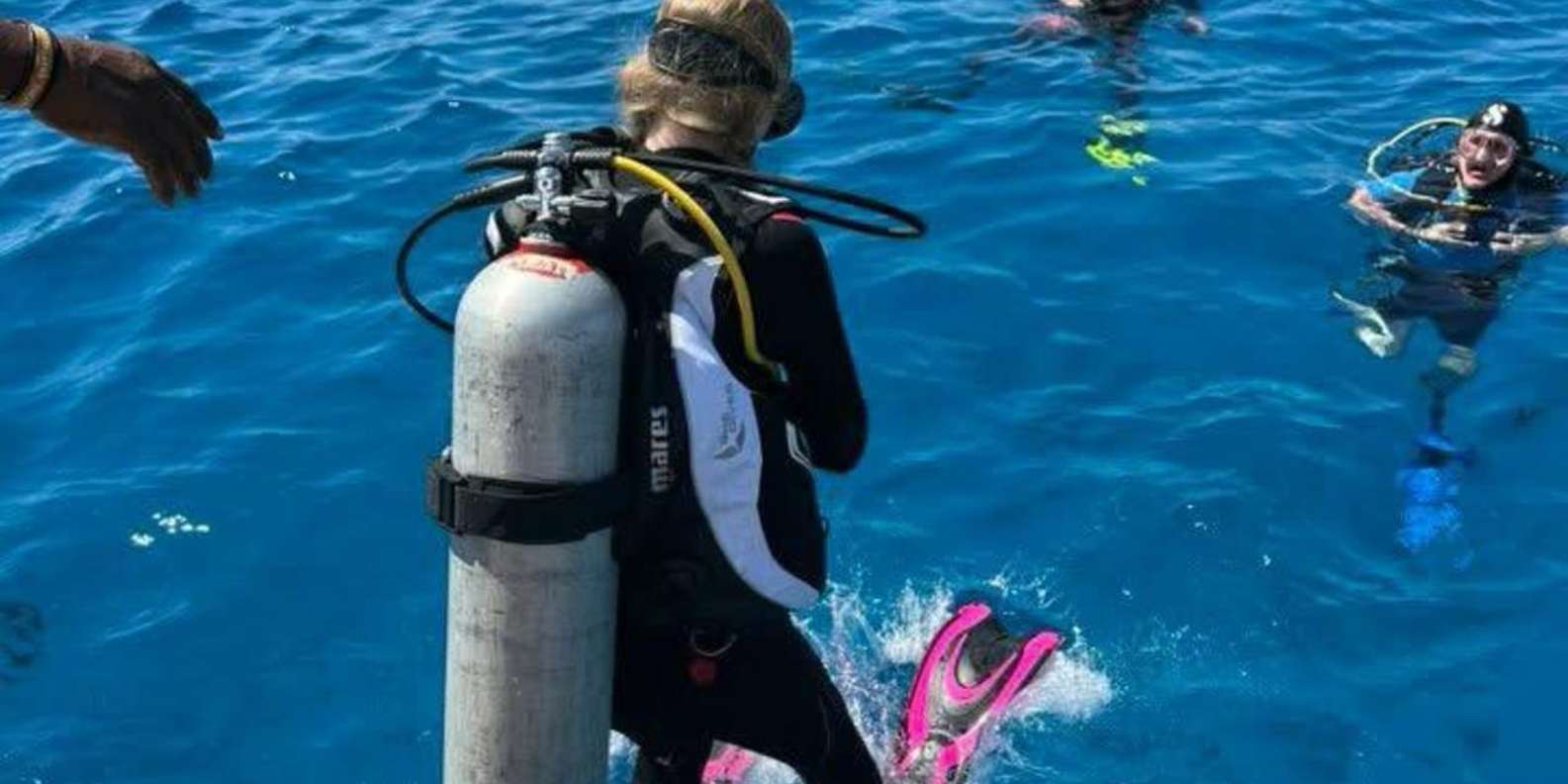
For divers, expect two dives on most day trips, sometimes with a third shallow dive if conditions and schedules allow. Briefings in marine parks tend to be more detailed because navigation and pickup points matter: entry method (back roll or giant stride), max depth, current line, separation procedures, and the hand signals to regroup. Many operators prefer that divers carry an SMB; if you’re not used to deploying one, practice in calm water first.
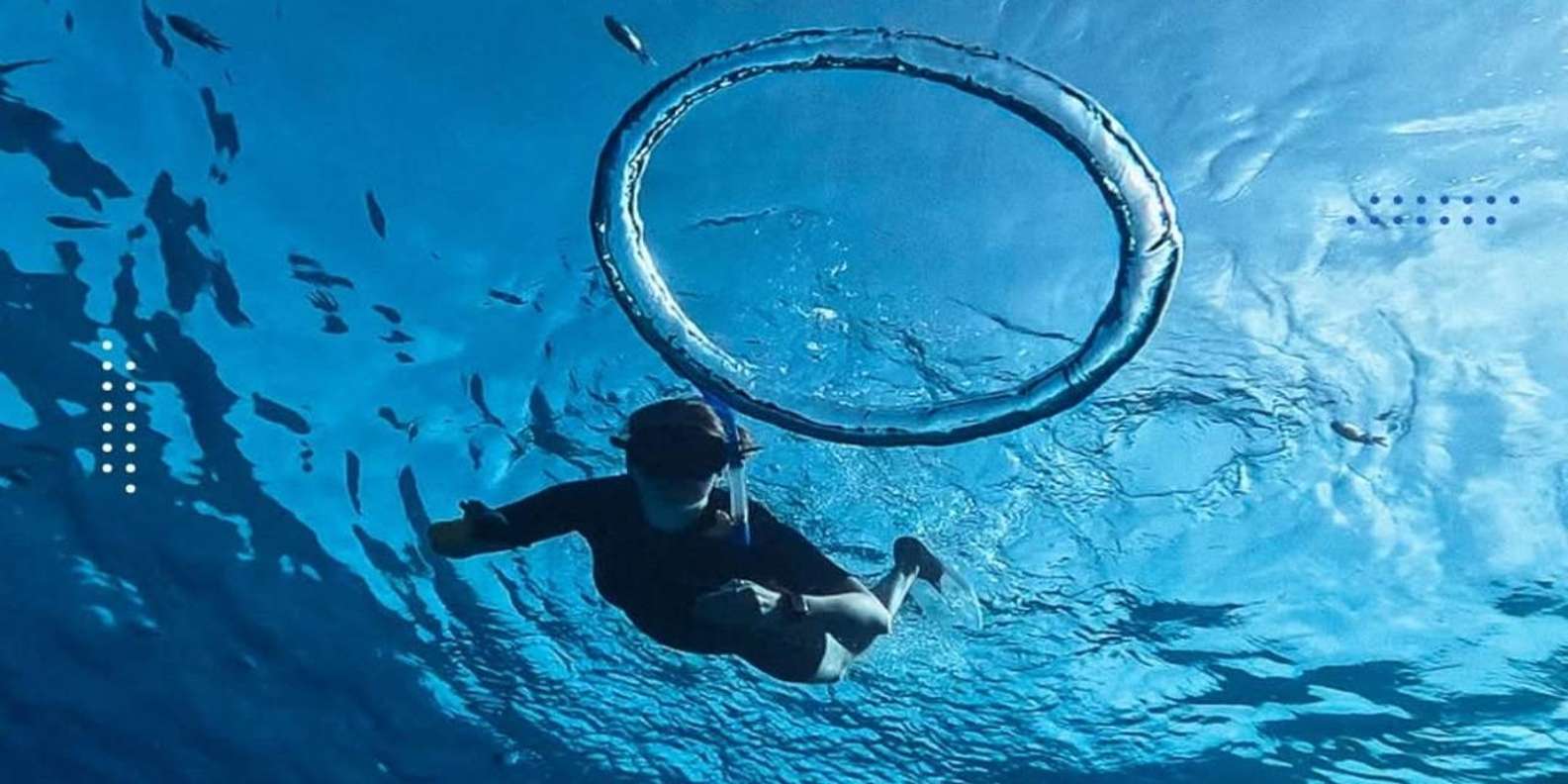
For snorkelers, guides typically choose reef sections with good light and calmer surface conditions. You’ll spend time in shallow gardens where coral and fish density is highest, often in 1–5 meters of water. A rash guard or thin suit helps prevent sunburn and keeps you comfortable if the wind picks up during surface intervals.
Wildlife sightings are never guaranteed, but marine park etiquette improves the odds. If you see a turtle, keep a respectful distance and stay slightly to the side rather than blocking its path to the surface. If dolphins appear, follow the guide’s instructions; fast approaches and sudden splashing usually push them away.
Who This Is For
Marine parks work well for certified divers who want healthier reefs and more dynamic conditions than sheltered bays. If you’re comfortable with drift diving, negative entries when required, and maintaining buoyancy over fragile coral, you’ll get the most from sites like Ras Mohammed and the Tiran reefs. Underwater photographers who like wide-angle reef scenes will appreciate steep walls and big coral formations.
Snorkelers and families can also enjoy marine parks, especially in areas with lagoons and reef flats accessible from day boats near Hurghada, Makadi Bay, and the islands. Choose trips that clearly state snorkeler support (guide in the water, flotation options, shaded rest areas on the boat). If you’re not a confident swimmer, ask for a tour that limits long surface swims and prioritizes sheltered moorings.
Beginners should treat some park areas as “step-up” destinations rather than first dives. Build experience on house reefs in Soma Bay, Sahl Hasheesh, or Dahab shore sites, then progress to stronger-current locations. The best trip is the one that matches your skill level on that day, not the one with the most famous name.
Booking & Logistics
Base yourself in a hub that fits your priorities: Sharm El Sheikh for Ras Mohammed and Tiran; Dahab for shore-based protected areas and a slower rhythm; Marsa Alam for southern parks and mixed coastal habitats; Hurghada and El Gouna for easy access to island reefs and a wide range of boat options. Makadi Bay, Sahl Hasheesh, Soma Bay, and Safaga sit in between—good for combining resort comfort with regular reef access.
Most marine park trips include boat transport, guiding, and lunch, with equipment rental and park fees handled depending on the operator and itinerary. If you’re diving, bring your certification card, logbook (digital is fine), and a surface marker buoy if you have one. A reef-safe sunscreen (applied well before entering the water), a hat, and a light windbreaker make long boat days more comfortable.
Plan your diving schedule with no-fly time in mind. Leave a buffer day at the end for relaxation, especially if you’re doing multiple days of deeper diving or strong-current sites. If you want a quieter experience, choose smaller-group trips or travel outside major holiday weeks when boats are most crowded.
Sustainable Practices
Marine parks only work when visitors follow the rules consistently. The single biggest impact you can control is contact: don’t stand on coral, don’t touch turtles, and keep fins and gauges tucked in close. Good buoyancy is a conservation skill—if you’re rusty, do a calm-water check dive from a house reef in Makadi Bay, Soma Bay, or Dahab before heading to fragile reef walls.
Choose operators that use moorings, brief thoroughly, and enforce spacing around wildlife. On the boat, avoid single-use plastics where possible and secure loose items so nothing blows into the sea. If you’re snorkeling, use a flotation belt rather than sculling with your hands over coral heads; it reduces accidental contact and makes your swim smoother.
Respect coastal habitats beyond the reef. Seagrass and mangroves in places like Wadi El Gemal are nurseries for fish and feeding grounds for turtles; they’re as important as the “pretty” coral gardens. Treat the whole shoreline as part of the park, not just the dive sites.
FAQs
Do I need a permit to visit Red Sea marine parks?
Many Red Sea marine park areas require a park fee or permit that is typically arranged by the tour operator as part of the trip logistics. Requirements can vary by location and may change, so it’s best to rely on the operator’s briefing and documentation process. Always carry your ID and, if diving, your certification card.
Are Red Sea marine parks suitable for beginners?
Some marine park sites are beginner-friendly, especially sheltered reef flats and lagoon areas visited from Hurghada, Makadi Bay, and nearby islands. Other sites—particularly around Ras Mohammed and Tiran—can involve strong current and deeper profiles that suit more experienced divers. A good operator will match the site and entry plan to your comfort level.
What marine life can I realistically expect to see?
On most trips you can expect dense reef fish life such as butterflyfish, angelfish, parrotfish, wrasse, and schools of snapper or fusiliers. Turtles are common in areas with seagrass and quieter reefs, and reef sharks or eagle rays are possible in current-exposed zones, especially around straits and headlands. Specific sightings vary by season and conditions, and no operator can guarantee sharks or dolphins.
What water temperatures should I plan for, and what wetsuit do I need?
Red Sea water is typically around 22–24°C in winter and around 28–30°C in late summer, with spring and autumn in between. Many divers are comfortable in a 5 mm wetsuit in shoulder seasons, while winter often calls for 7 mm or added thermal protection for longer dives. Wind can make surface intervals feel cooler than the water, so a boat coat or windbreaker helps.
How can I dive or snorkel responsibly in a marine park?
Maintain neutral buoyancy, avoid touching coral, and keep a respectful distance from turtles, dolphins, and any sharks you may encounter. Use reef-safe sun protection and avoid standing in shallow coral gardens when entering or exiting. Follow the guide’s briefings on currents and pickup points so the group stays controlled and wildlife disturbance is minimized.


