
Red Sea Diving Safety Tips for Beginners
The Red Sea is one of the easiest places to start scuba diving: warm water, generally good visibility, and a huge variety of shallow reefs close to shore. It’s also an environment where small mistakes can escalate fast—currents can pick up, boats are busy on popular routes, and many iconic sites sit next to deeper drop-offs. This guide covers practical, beginner-focused diving safety tips for the Red Sea, from choosing the right operator in Hurghada or Sharm El Sheikh to managing air, buoyancy, and conditions at the reef.
What Makes This Experience Unique
The Red Sea’s reef structure is often “shallow-to-deep” in a single fin-kick: coral gardens can start at 2–5 meters and then slope or drop into deeper blue water. For beginners, that’s great for training buoyancy over sand patches and coral heads—but it also means you need solid depth awareness so you don’t accidentally follow a wall too deep.
Visibility is frequently excellent (often 15–30+ meters depending on location and season), which can tempt new divers to spread out. Staying close to your buddy is a safety skill, not a courtesy—especially around boat traffic and in areas where currents can change near points and channel entries.
Marine life is a highlight: you may see clownfish in anemones, parrotfish grazing, lionfish hunting, moray eels tucked in crevices, and the occasional turtle cruising the reef edge. The safety angle is simple—observe without touching, keep good buoyancy to avoid contact with coral, and give animals space so you don’t trigger defensive behavior.
Where to Do It
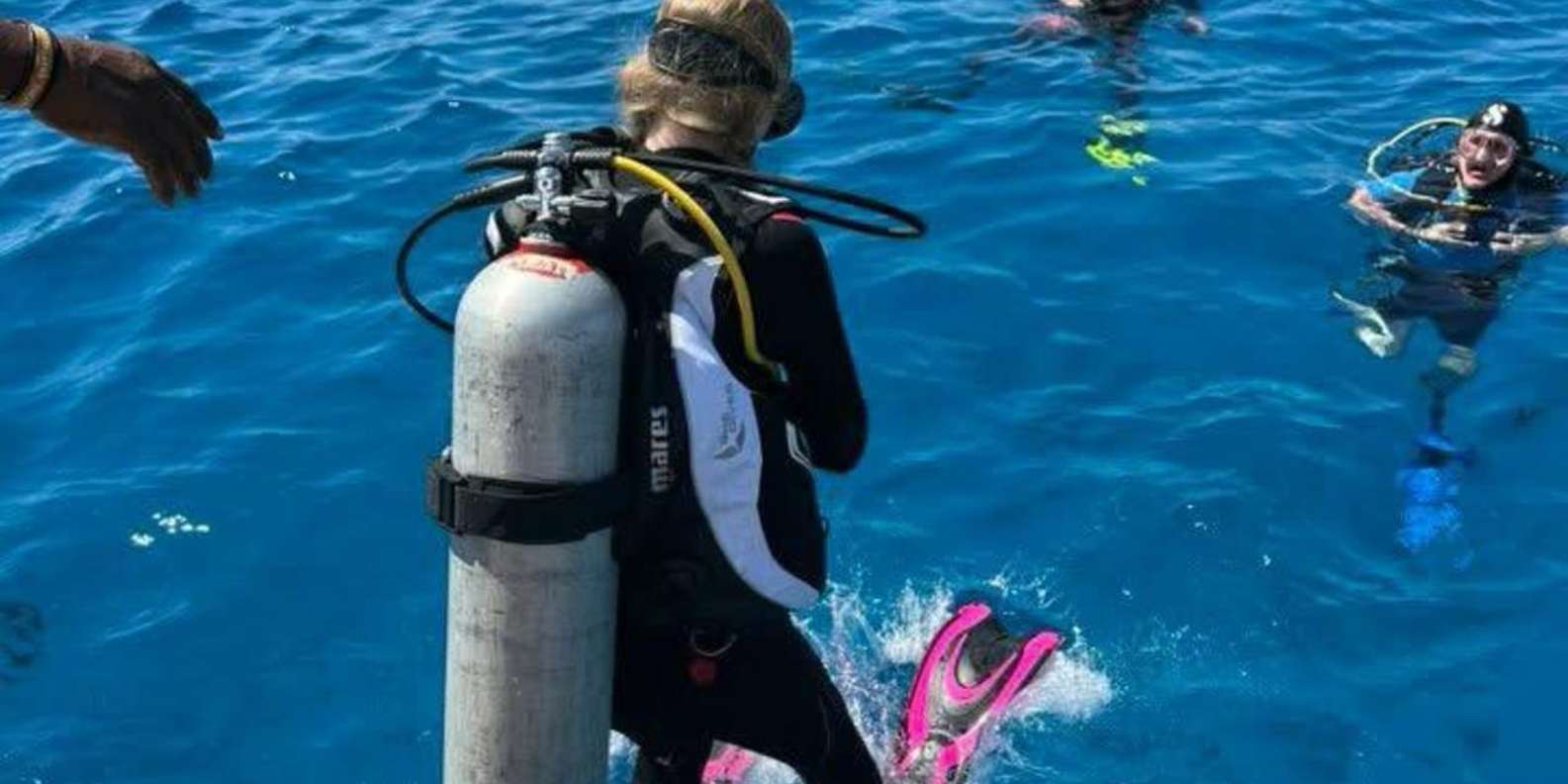
Hurghada, Makadi Bay, Sahl Hasheesh are excellent for first-time boat dives and easy reef systems. Many sites offer sheltered coral gardens with sandy areas where instructors can work on mask skills and buoyancy without damaging the reef. Boat schedules can be busy here, so surface signaling and listening to boat briefings matters.
El Gouna is a comfortable base for beginners who want organized logistics and calm introductions. Many routes focus on gentle reefs and lagoons, and the overall pacing can be friendlier for new divers who benefit from extra time between dives and clear step-by-step briefings.
Soma Bay, Safaga often bring a slightly quieter feel and excellent reef quality. Some areas have mild to moderate currents, which can be a good next step after you’ve mastered buoyancy and finning control. If you’re newly certified, ask for sites with protected moorings and minimal current exposure.
Marsa Alam is known for healthier, less crowded reefs and frequent turtle sightings, with some sites that can be beginner-appropriate when conditions are calm. The key here is choosing the right site for your comfort level—there are shallow options, but some entries and routes can be more exposed.
Sharm El Sheikh offers world-class reefs and very professional dive operations. Beginners can find easy sites, but the region also has areas where currents and depth changes are more pronounced. If you’re new, be honest about your experience so the operator can place you on suitable routes and guide ratios.
Dahab is famous for shore diving and clear navigation landmarks, which can be fantastic for skills-building. Some sites are ideal for beginners when the sea is calm, but Dahab also has locations with significant depth nearby—stay within your training limits and follow the briefing precisely.
Best Time / Conditions
Beginner divers usually find the most comfortable conditions from late spring to early summer and early autumn. Air temperatures are pleasant, seas are often calmer, and water temperatures are warm enough to focus on skills instead of shivering.
Winter can bring cooler water and windier days, especially in exposed areas. Cooler temperatures increase air consumption for many new divers and can make buoyancy control harder if you’re wearing thicker exposure protection. Good operators adjust plans to sheltered sites when wind picks up.
Summer can be very warm, which is comfortable underwater but demands good hydration and sun protection on the boat. Heat fatigue is a real safety factor—dehydration increases the risk of decompression stress, and it’s easy to forget water when you’re focused on the fun.
Conditions vary by site: channels, points, and outer reefs can have stronger currents than inshore gardens. A beginner-friendly plan prioritizes sheltered moorings, shallow profiles, and clear navigation back to the boat or exit point.
What to Expect
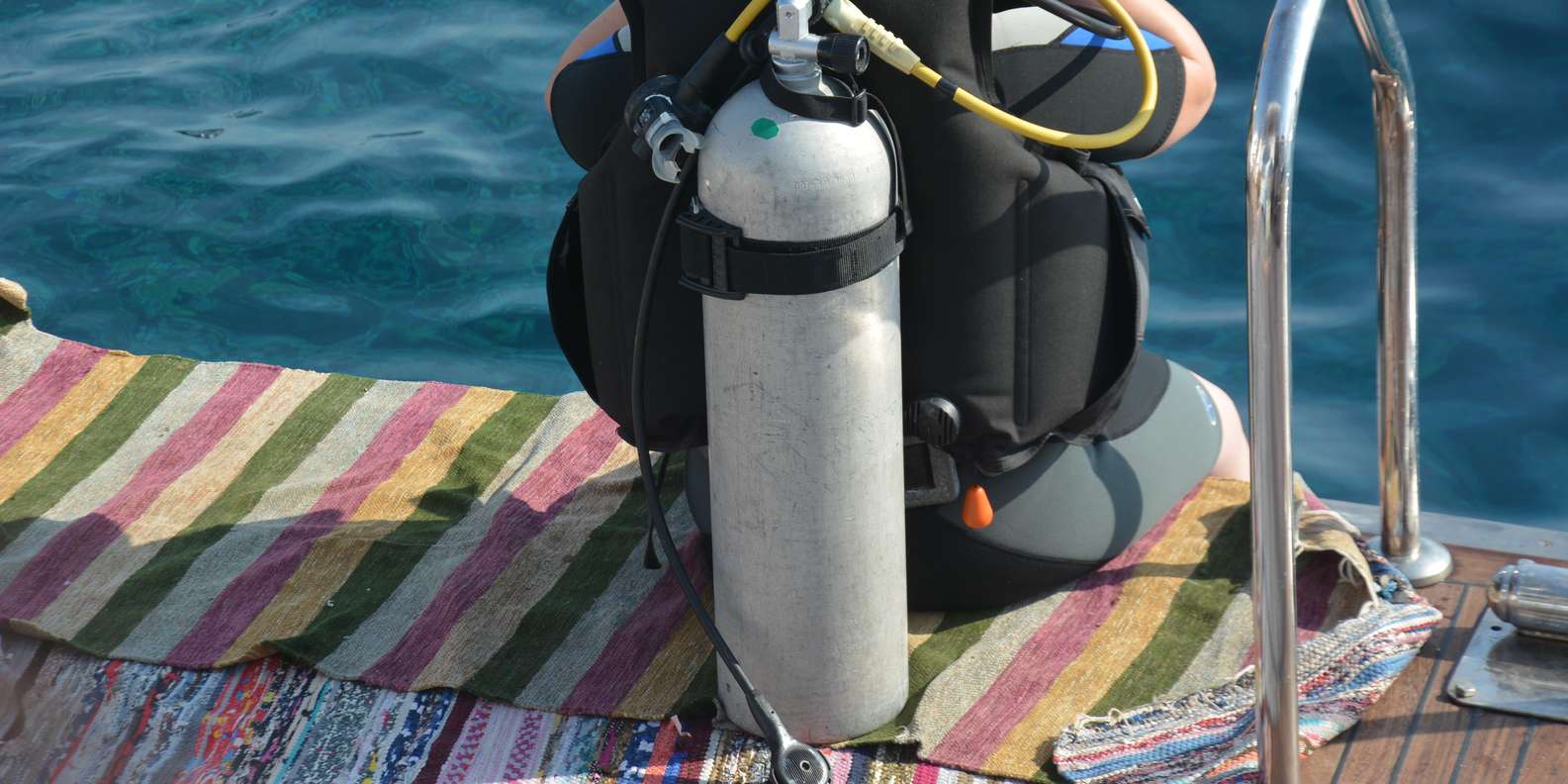
Most beginner dives in the Red Sea start with a boat or shore briefing: entry and exit method, max depth, route, buddy pairs, signals, and what to do if separated. Pay attention to the “end of dive” plan—how the group returns, where the safety stop happens, and whether you’ll ascend on a line.
Before entering, do a buddy check (often taught as BWRAF or a similar method). New divers skip steps when excited, but simple checks prevent common issues like closed tank valves, loose weight belts, or an unconnected inflator hose.
Underwater, your main tasks are buoyancy, breathing, and awareness. Stay slightly above the reef, use gentle fin kicks, and avoid hand contact—many Red Sea corals are fragile, and some marine life can sting. If you feel yourself rising, exhale and adjust; if you feel yourself sinking, add small bursts of air to the BCD rather than big inflations.
Most guided beginner dives include a safety stop (commonly around 5 meters for about 3 minutes) even when not strictly required. Use it as practice for stable buoyancy and calm breathing. On the surface, keep your regulator or snorkel in, inflate your BCD, and watch for boat traffic until you’re safely back on board or at the exit.
Core Safety Tips for Beginners
1) Choose a reputable operator and don’t be shy about your experience
Operators in Hurghada, Sharm El Sheikh, and Marsa Alam vary widely in pace and group size. A beginner-friendly operator will ask about your certification level, recent dive history, and comfort in currents, and will adjust the plan accordingly. Clear briefings, conservative depth limits, and attentive guides are non-negotiable for your first Red Sea dives.
2) Stay within your training limits—especially around drop-offs
Many Red Sea reefs transition quickly from shallow coral to deeper blue water. It’s easy to drift a few meters deeper without noticing if you’re focused on fish. Check your depth frequently, set a personal max depth you’re comfortable with, and follow the guide’s profile.
3) Respect currents: slow down, stay streamlined, and follow the plan
Currents can be mild one minute and stronger the next near points or channel mouths. If you feel current, stop fighting it with frantic finning—get streamlined, stay close to the reef where it may be weaker, and use the guide’s positioning. If the plan is a drift, relax and keep your buddy within arm’s reach.
4) Manage air early and often
Beginners typically breathe faster, especially when excited or slightly anxious. Check your pressure gauge frequently and tell your guide early when you reach the agreed “turn pressure.” Ending a dive with a safe reserve is the goal; there’s no prize for stretching it.
5) Nail buoyancy to protect the reef and reduce risk
Good buoyancy prevents accidental contact with coral and reduces stress, which lowers air consumption. Practice hovering over sand patches, add or dump small amounts of air, and avoid vertical yo-yo movements. If you’re underweighted or overweighted, ask the guide to help adjust at the start of the dive.
6) Equalize early, gently, and often
Equalization problems are one of the most common reasons beginner dives end early. Start equalizing before you feel discomfort and continue every meter or so on descent. If it doesn’t clear, stop, ascend slightly, and try again—never force it.
7) Watch your spacing—boats are part of Red Sea diving
Popular areas around Hurghada, Makadi Bay, and Sharm El Sheikh can have multiple boats on the same reef. Stay with your group, ascend where the guide instructs, and use a surface marker buoy (SMB) if the operator requires it or if you’re trained. On the surface, keep your BCD inflated and stay visible until you’re safely collected.
8) Don’t touch marine life
Even “harmless-looking” reef life can sting or cut: fire coral and some hydroids cause painful rashes, and urchin spines can ruin a trip. Keep a respectful distance, maintain neutral buoyancy, and control your fins so you don’t kick coral or stir up sand.
9) Plan your day: hydration, rest, and sun
Heat, dehydration, and fatigue are common on full-day dive boats. Drink water between dives, eat lightly but regularly, and protect yourself from sun and wind. If you feel unwell, tell the crew—small issues are easier to manage early.
Who This Is For
This advice is for first-time divers doing introductory dives and newly certified divers building confidence in open water. It’s especially relevant if you’re transitioning from pool training to boat diving, or if it’s your first time diving in an environment with frequent boat activity and occasional currents.
If you’re anxious underwater, prone to ear issues, or haven’t dived in a year or more, consider a refresher session before heading to busier sites. A calm skills review—mask clearing, regulator recovery, buoyancy checks—makes the rest of the trip smoother and safer.
Booking & Logistics
Book dives through operators that clearly explain what’s included: guide ratio, transfer details (if any), equipment rental, and the planned sites. In areas like Hurghada and Sharm El Sheikh, your day may involve multiple dives, so ask how conservative the profiles are for beginners and whether there’s a shallow second dive option.
Bring a certification card and logbook if you have them, plus reef-safe sunscreen, a hat, water, and something warm for the boat ride (wind can feel chilly even on sunny days). If you wear contact lenses, pack spares and consider a mask that seals well—mask leaks are common when you’re new.
If you’re unsure about equipment fit, arrive early and ask for help adjusting the BCD, weights, and fin straps. Most beginner discomfort comes from simple setup issues: too much weight, loose straps, or a tank sitting too low on the BCD.
Sustainable Practices
Red Sea reefs recover slowly from physical damage, and beginners can unintentionally cause harm through poor buoyancy or finning. Aim for neutral buoyancy, keep fins up, and practice a gentle frog kick or small flutter kick that doesn’t blast sand onto coral.
Choose operators that use mooring lines instead of anchoring on reefs and that brief divers on wildlife etiquette. Avoid feeding fish, don’t collect shells or coral pieces, and keep a respectful distance from turtles and rays so they can surface and move naturally.
Even small actions help: secure dangling gauges, tuck in octopus regulators, and avoid dragging cameras or pointers across the reef. Responsible habits protect the sites you came to see and keep future dives healthy.
FAQs
Is the Red Sea safe for beginner scuba divers?
The Red Sea can be very safe for beginners when you dive within your limits and go with a reputable operator. Many sites around Hurghada, El Gouna, and Makadi Bay offer shallow reefs with calm conditions suitable for training and first dives. Safety depends more on planning, supervision, and personal discipline than on the destination itself.
What water temperature should I expect in the Red Sea?
Red Sea water temperature varies by season and location, but it’s generally warm compared with many other dive regions. Many beginners are most comfortable in late spring and early autumn when the water is warm and the air isn’t extreme. If you’re visiting in winter, expect cooler water and plan appropriate exposure protection.
Do I need to know how to use an SMB (surface marker buoy)?
You don’t always need to deploy an SMB as a beginner, but you should understand why it’s used and follow your guide’s instructions. In busy areas with multiple dive boats, an SMB improves surface visibility during ascents and pickups. If you’re not trained to deploy one, your guide or buddy may handle it.
How deep will beginner dives typically go in the Red Sea?
Beginner dives usually focus on shallow depths where buoyancy control is easier and bottom time is longer. Introductory dives and training dives often stay in the shallow reef zone, while certified beginners may do slightly deeper profiles depending on the site and conditions. Always follow your certification limits and the dive plan from your guide.
What are the most common beginner mistakes on Red Sea dives?
The most common issues are poor buoyancy (leading to reef contact), drifting away from the buddy or group, and late air management. Equalizing too slowly on descent is another frequent problem that can end a dive early. These are all fixable with calm pacing, frequent checks, and a guide who is willing to coach.
diving experiences in the Red Sea destinations offers extraordinary opportunities for beginners, from colorful coral gardens to encounters with unique marine species. By prioritizing safety, choosing reputable operators, and respecting the underwater environment, you ensure that every dive is a positive, secure experience. Ready to take the plunge? Discover our range of scuba diving experiences tours or browse our blog for more insightful tips on making the most of your Red Sea destinations adventure.


