
Beginner Diving in Dahab: Calm Lagoons, Confidence for Life
Quick Summary: Dahab turns your first scuba course into a calm rite of passage—sheltered lagoons, luminous reefs, trusted instructors, and easy shore entries that build real confidence for exploring the wider Red Sea.
Morning light shimmers off Dahab’s bay as you step from the pebbly shoreline into clear, pool‑calm water. The sandy bottom slopes gently, anthias flicker over coral tongues, and your instructor’s smile is as steady as the light breeze. This is Dahab’s gift to first‑time divers: stress‑free entries, forgiving conditions, and a community that believes patient teaching beats big‑boat bravado.
What Makes This Experience Unique
Dahab’s geography suits beginners perfectly: shore‑based entries, shallow sandy pockets for skill practice, and bright fringing reefs that start close to land. Visibility commonly sits around 20–30 meters, so signals are easy to read and marine life is never out of view. Add small class sizes and a famously relaxed town vibe, and confidence grows naturally, dive after dive.

Where to Do It
Lighthouse is the classic Dahab training site—sandy slopes, minimal surge, and coral gardens beginning at 5–12 meters. Bannerfish Bay is another gentle option, with seagrass patches ideal for buoyancy drills before finning over the reef. For planning your days, site maps and neighborhood intel live in our detailed Dahab Travel Guide.
Best Time / Conditions
Dahab is diveable year‑round. Expect water temperatures of roughly 22–29°C across the seasons, with morning seas often glassy and afternoons bringing a mild thermic breeze. Winter offers quieter sites and photogenic clarity; spring and autumn balance warmth with steady visibility. Aim for early starts to beat wind and traffic in shallows, especially at central shore entries.
What to Expect
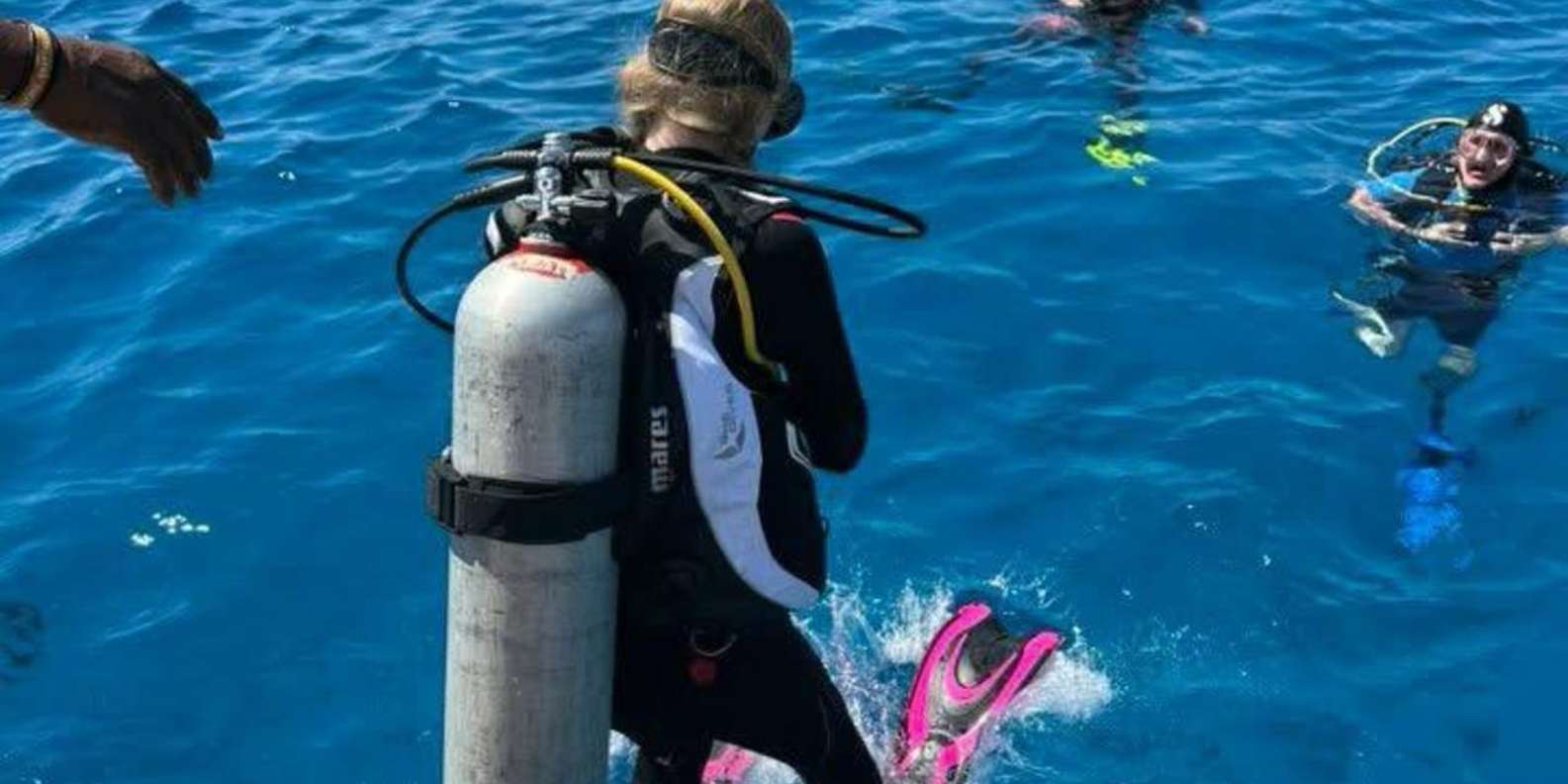
A beginner certification typically blends short e‑learning sessions with three to four days of hands‑on training: calm confined‑water skills in a lagoon, then progressive open‑water dives on reefs from 6 to 18 meters. You’ll master buoyancy, mask skills, and safety ascents while exploring coral tongues alive with anthias. Note: Dahab’s Blue Hole is advanced—review Blue Hole safety protocols before visiting.
Who This Is For
If big‑boat crowds and bouncing ladders give you pause, Dahab’s shore‑first approach is your ally. It’s ideal for cautious starters, photographers who value time in the shallows, and families seeking calm water with short training segments. Confident swimmers progress quickly; nervous divers find space to practice without pressure, turning fear into focus and exploration into habit.
Booking & Logistics
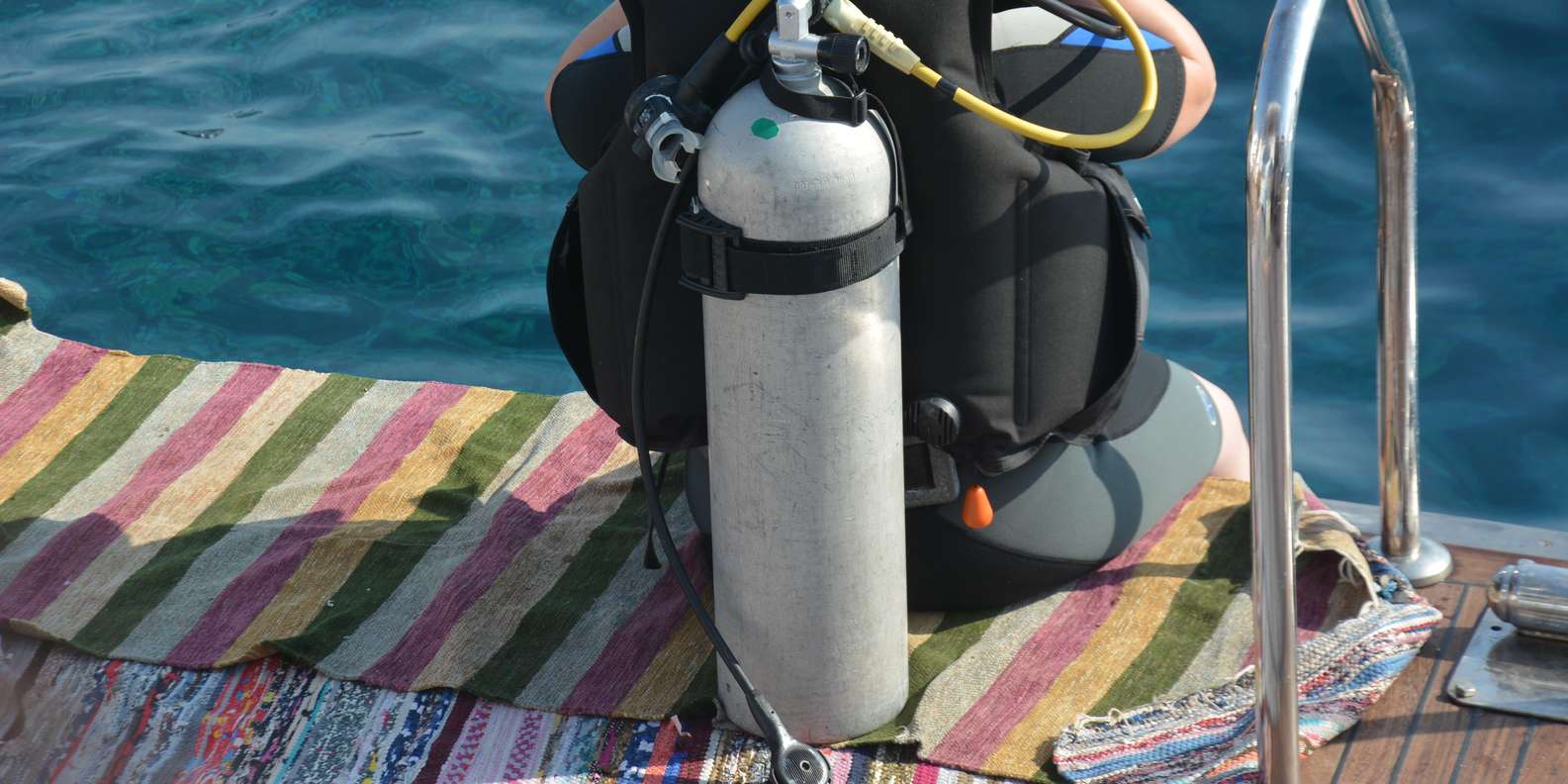
Choose a reputable, small‑group school with well‑maintained gear and clear student‑to‑instructor ratios. Courses run frequently and can be tailored to short stays; pre‑reading helps maximize water time. Many travelers pair training with a celebratory boat day elsewhere—consider a guided two‑dive escape like the Ras Mohamed & White Island diving trip. If Dahab is fully booked, a gentle fallback is the Beginner’s Diving Adventure in Sharm El Sheikh.
Sustainable Practices
Protect Dahab’s training reefs by perfecting trim over sand before hovering above coral, using minimal weights, and avoiding kneeling on living substrate. Wear reef‑safe sunscreen, secure gauges, and choose centers that log moorings and citizen‑science sightings. For region‑wide updates on new sites, moorings, and reef projects, see our Red Sea conservation and new dive sites brief.
FAQs
New to diving? Dahab’s lagoon‑to‑reef progression eases you from skill practice into relaxed exploration, with visibility that keeps your buddy and instructor in clear view. Below are answers to the most common first‑timer questions—timelines, suitability of famous sites, and what’s typically included—so you can book confidently and focus on enjoying your first breaths underwater.
How long does a beginner certification take in Dahab?
Most students complete their first certification in three to four days, depending on comfort, prior study, and sea conditions. Day one usually covers confined‑water skills in a sheltered lagoon; subsequent days add open‑water dives on nearby reefs, building depth progressively. E‑learning beforehand shortens classroom time and leaves more hours for the water.
Is the Blue Hole suitable for beginners?
The Blue Hole is iconic but not a training site. While snorkelers enjoy the shallows, the site involves walls and overhead environments that demand experience, buoyancy control, and strict buddy discipline. Complete your course on sheltered reefs first; if you later visit, go with a pro and review established safety guidance before entering.
What does a typical course include and cost?
Packages generally include instructor time, rental gear, shore entries, and certification processing, with optional add‑ons like boat dives or digital materials. Prices vary by season, group size, and equipment quality. Prioritize safety: well‑serviced regulators and measured weighting, plus extra buoyancy sessions if you need them, are worth more than a bargain‑basement rate.
Dahab turns that first card into a beginning, not a finish line—calm water, luminous reefs, and a community invested in doing things right. When you’re ready to keep momentum, consider gentle‑water tune‑ups in El Gouna before tackling deeper walls elsewhere in the Red Sea.


