
Red Sea Reefs at a Crossroads: Turning Awe into Action
Quick Summary: The Red Sea’s corals still dazzle, yet stress is sharpening: hotter summers, acidifying water, and local pressures. See the beauty, learn the warning signs, then travel in ways that measurably reduce harm and fund reef protection.
First light on the Red Sea, and the reef wakes in a shimmer of anthias and parrotfish. Then your guide points to a pale patch—coral bones where color used to be. Nearby, hardy colonies pulse with life. This is the paradox of 2025: reefs still breathtaking, but increasingly brittle. Warmer summers, marine heat spikes, and a slow creep of acidification are testing the Red Sea’s famed resilience. Bearing witness isn’t enough. Done right, our presence can fund protection, favor the gentlest sites, and keep the story from fading to white.
What Makes This Experience Unique
Few places let travelers see both resilience and risk so clearly. The Red Sea’s unique circulation and heat-tolerant corals still deliver 15–30 m visibility and kaleidoscopic gardens in many bays. Yet across a single snorkel you may spot fluorescing tips, fresh scars, and vibrant plateaus side by side—an unusually intimate look at climate stress in real time, with guides decoding what’s healthy and what needs space.
Where to Do It
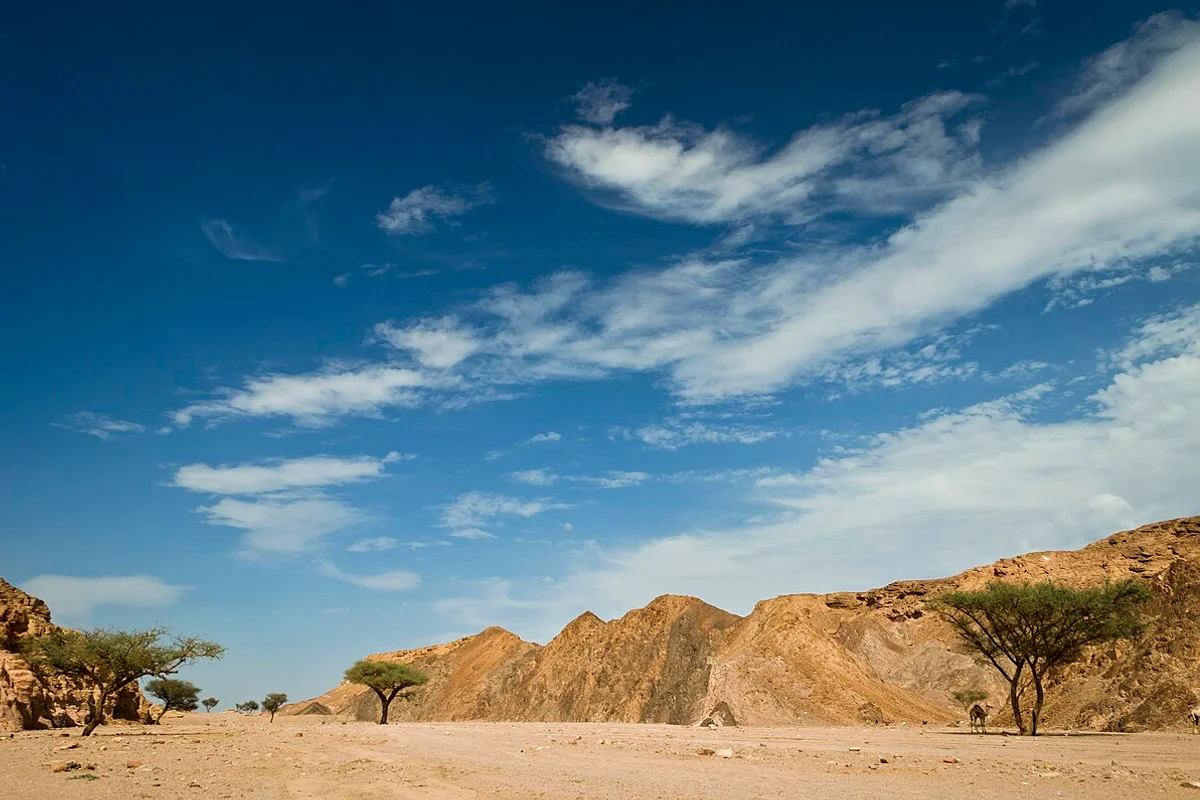
Base in Sharm El Sheikh for Ras Mohammed’s drop-offs and the Straits of Tiran’s current-swept walls, or drift Dahab’s Lighthouse and Gabr El Bint for mellow coral gardens and shore access via quiet coves in Dahab. Around Hurghada, Giftun’s fringing reefs and Abu Ramada’s shallows show both robust hard corals and stress pockets—excellent for learning gentle entry, exit, and finning.
Best Time / Conditions
For calm seas and kinder temperatures, aim for April–May or late September–November. Expect water around 24–28°C in shoulder months, 22–24°C in winter, and up to 29–30°C in peak summer. Early-morning boats find flatter water and lighter crowds; leeward reefs offer protection on breezy days. After wind, visibility may dip; post-calm, it can extend beyond 25 m.
What to Expect
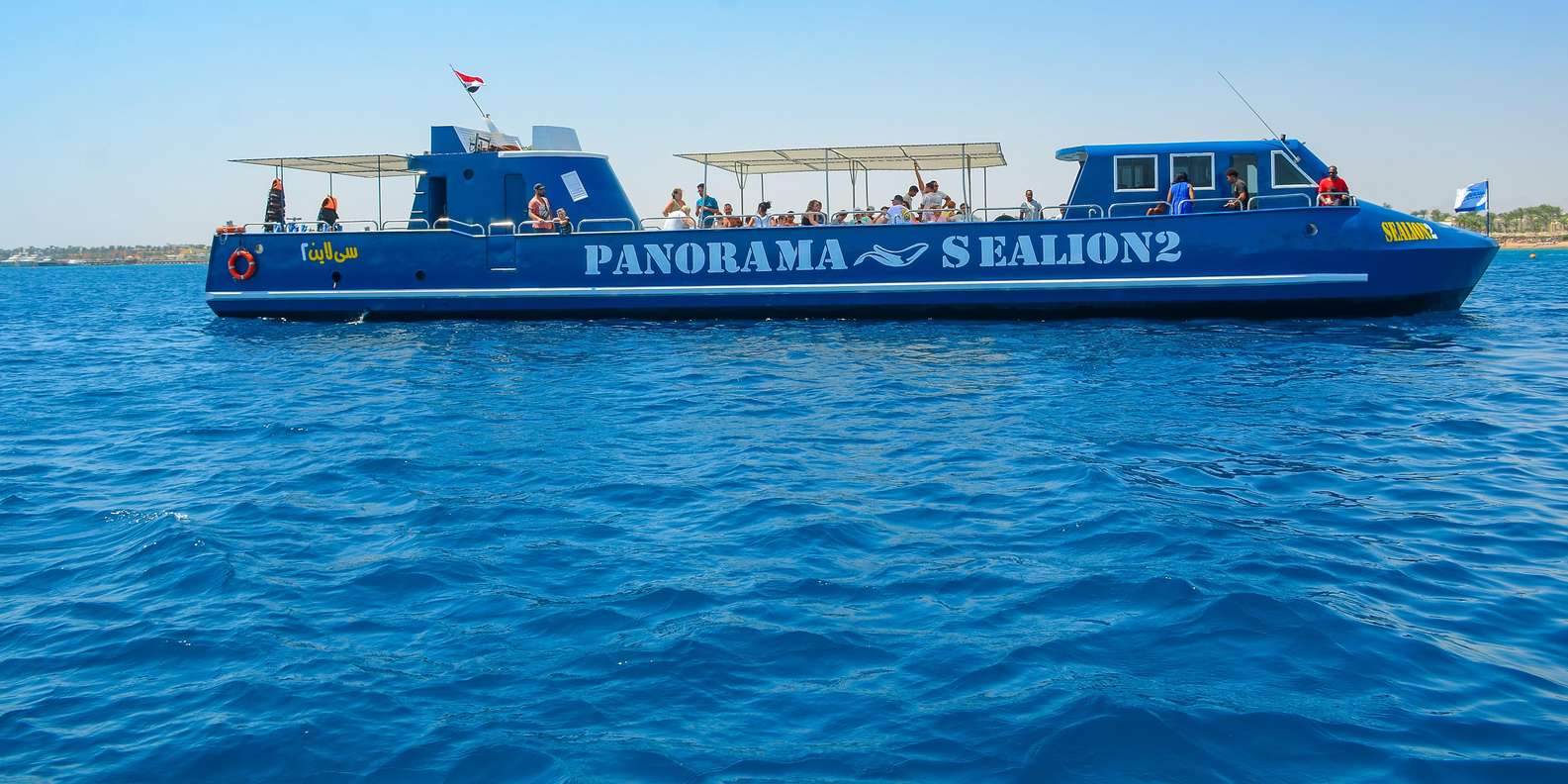
Snorkels typically hover in 3–12 m over branching, boulder, and table coral gardens; shallow shelves let non-swimmers relax near the surface. Boat trips to Ras Mohammed are commonly 60–90 minutes each way with two or three in-water stops. Shore entries in Dahab are slower and more meditative. Guides brief on “look, don’t touch,” currents, and identifying bleaching or algae overgrowth without crowding wildlife.
Who This Is For
Ideal for mindful snorkelers, new divers, teens who love science, and photographers seeking natural light, not depth. You’ll enjoy unhurried surface time more than ticking sites. If you’re happy trading speedboats for shade canopies, zinc sunscreen, and buoyancy practice, you’ll get richer encounters—small fish cleaning stations, coral recruits, and the hushed acoustics of a reef breathing.

Booking & Logistics
From Sharm, choose a guided boat like the White Island & Ras Mohammed day for multiple sites and safety cover, or go lighter-impact with a smaller-group option such as a private Ras Mohammed snorkel. Pack long-sleeve rash guards, a wide-brim hat, and a refillable bottle; many boats now provide bulk water. Typical hotel-to-jetty transfers run 15–30 minutes; park fees support conservation.
Sustainable Practices
Perfection in buoyancy and trim is the best reef gift—keep fins high, kick slow, and never stand on coral. Use mineral sunscreen (non-nano zinc), or better, sun shirts. Bring your own mask to improve fit and reduce waste. Skip feeding fish. Choose operators who brief on reef etiquette, anchor only to moorings, and log bleaching or crown-of-thorns sightings for local monitors.
FAQs
This is not doom tourism; it’s engaged travel. You’ll likely witness great beauty and subtle stress together. Asking for a reef-safe briefing, favoring moorings over anchors, and choosing early, shaded outings are small acts with outsized impact. Leave with skills—neutral floating, patient observation—that you’ll use anywhere corals still hold on.
Are Red Sea reefs “safe” from climate change?
No reef is fully safe, but the Red Sea shows notable tolerance to heat compared with many regions. That doesn’t mean immunity: localized bleaching, algal overgrowth, and storm damage do occur. Travel during gentler seasons, choose less-crowded sites, and support operators contributing data and fees that protect the most vulnerable zones.
How can I spot stress without getting too close?
Look for paling or stark white patches (recent bleaching), cottony algae on dead skeletons, or coral tips that fluoresce neon under stress. Observe from a meter or more away; zoom with your eyes, not your fins. Watch fish behavior too—if cleaners or butterflyfish scatter, you’re crowding. Back off slowly and stay neutrally buoyant.
Is snorkeling or diving better for low-impact reef time?
Snorkeling often wins: less gear, less bottom time near fragile formations, and natural sunlight for noticing detail. If you dive, pick drift routes with fixed moorings and maintain excellent buoyancy above the structure. Either way, slow down—ten quiet minutes over a single coral head reveals more life than racing between sites.
Bear witness, but help too: choose mooring-only boats, master gentle movement, and steer friends toward reef-safe habits. For deeper how-tos, see our guide to eco diving practices, and track site-by-site health in our Red Sea coral reef report. The color you keep today is the memory you’ll share tomorrow.


