How to Capture Viral Reels in Hurghada: Reefs, Kites, and Sunsets With Purpose
Quick Summary: Build scroll-stopping Reels by pairing golden-hour light, fast action, and simple story beats. Anchor scenes at reefs and sandbars, track kites with dynamic movement, and close with a human moment—always respecting reef rules and local life to keep your content authentic and shareable.
Picture this: morning glass on a turquoise sandbar, the hiss of fins and a slow push-in on corals as anthias flicker past; then kites whip across teal lagoons before a honeyed sunset frames silhouettes at the marina. Hurghada rewards simple techniques—clean horizons, confident movement, and a small, nimble kit—with outsized results.

What Makes This Experience Unique
Hurghada lets you capture three high-performing micro-stories in one day: shallow coral life, high-energy kites, and cinematic sunsets. Reefs often start around 2–3 meters and step to 6–10 meters, ideal for natural light and compact rigs. Add approachable local scenes—tea pours, net-mending, market colors—for authenticity that algorithms and humans both reward.
Where to Do It

Best Time / Conditions
Golden hour is king: snorkel 8–11 a.m. for calm seas and 20–30 m visibility; shoot kites mid-afternoon when winds stabilize around 15–25 knots in season; wrap with sunset silhouettes as colors warm. Winter seas dip near 22°C; late spring to autumn sees 26–29°C—great for longer water sessions and lighter wetsuits.
What to Expect
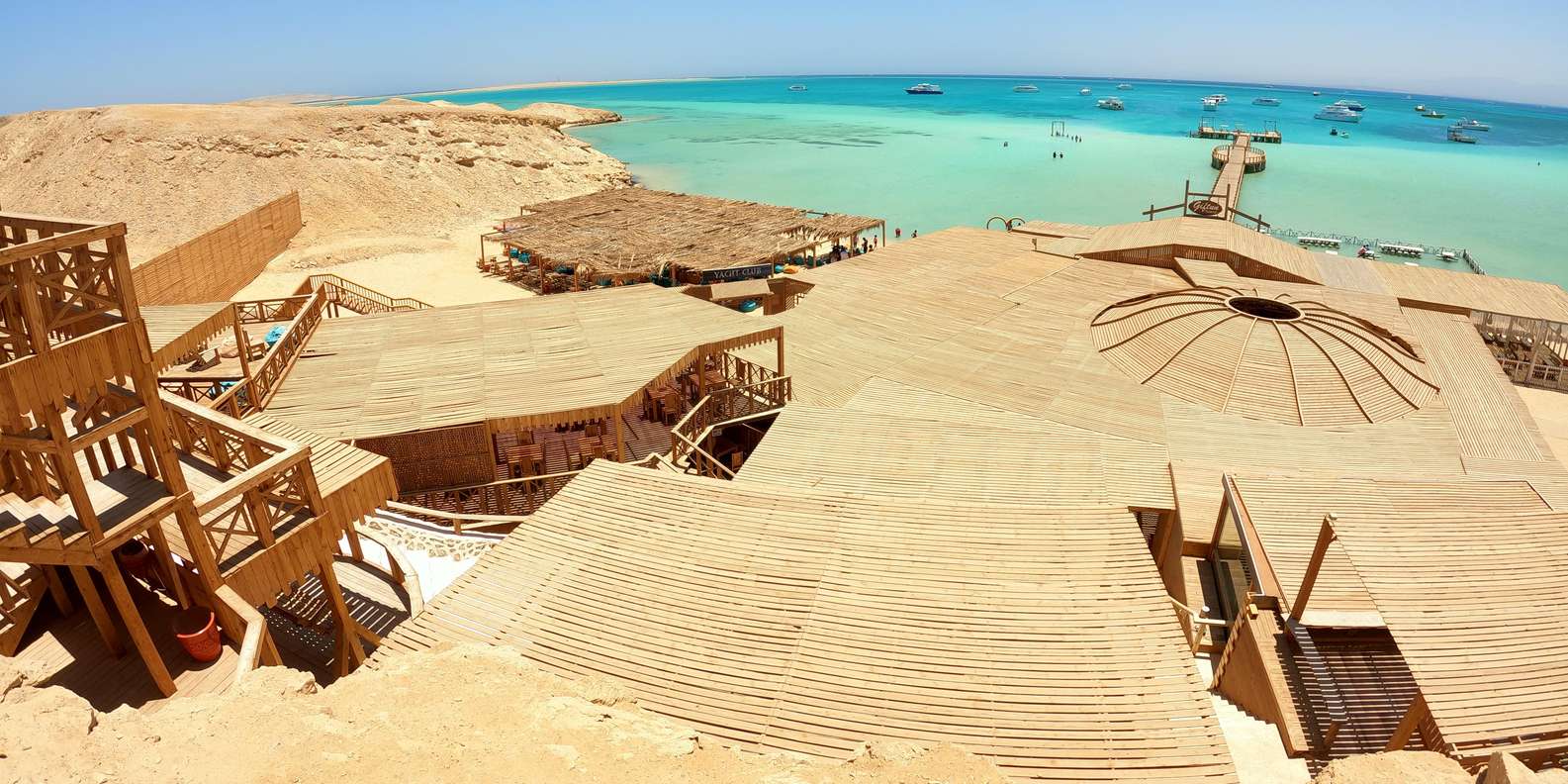
Expect two to three set pieces: underwater macro-to-wide reveals on bright reefs; tracking passes of kiters cutting across shallows; and a closing human moment—hands rinsing salt, dates shared on a quay, or a dusk walk. Transfer boats offer stable filming platforms; on-island, sandbars give clean horizons and natural reflectors for glowing skin tones.
Who This Is For
Creators who value lean setups and real moments. If you shoot with a phone, add a clamp, neutral-density filter, and a snorkel housing; mirrorless shooters can carry a compact prime and an ultra-wide. If you love story arcs over gear lists—and respect reef rules—you’ll find endless sequences in a single tide cycle.
Booking & Logistics
For marina evenings, El Gouna sits roughly 30–40 minutes north by road; scout café lines for candid, respectful people shots.Sustainable Practices
Treat coral like glass: no touching, no standing, no fin kicks over bommies. Use moored boats and follow briefings. Compose people-forward scenes with permission and avoid crowding wildlife. Build your Reel’s caption with conservation context and operator tags—your audience learns, locals benefit, and the content stays shareable for the right reasons.
FAQs
Below are practical answers to keep your shoot smooth, ethical, and viral-ready—covering underwater exposure, filming kites safely, and working around rules that protect reefs and communities. Each tip balances cinematic ambition with local etiquette and simple setups you can repeat across multiple Hurghada locations.
How do I get crisp underwater color without heavy gear?
Shoot 1–3 meters deep with the sun at your back, lock white balance, and use slight negative exposure (–0.3 to –0.7 EV) to protect highlights. Glide, don’t kick, and let fish enter frame. If you’re snorkeling tours, a red filter plus manual color temp near 5200–5600K keeps hues natural without big housings.
What’s a safe, dynamic way to film kitesurfing?
Stay shore-side or on a chase boat with a long lens, track diagonally, and pan through the carve. Avoid ride paths and lines; never film from downwind landing zones. Mix 60 fps action with 24/30 fps wides for rhythm. Add a static top-down from a pier for speed lines without getting in the water.


