
Floating Beach Clubs: A Reef‑Front Day on the Red Sea
Quick Summary: The Red Sea’s newest floating beach clubs blend reef‑side adventure with resort comforts. Expect effortless snorkeling, shaded decks, wellness corners, and sunset dining—delivered via low‑impact moorings and small‑group operations that keep the coral safe while putting the sea, not the shore, at center stage.
Morning light rinses the Red Sea in silver as tenders fan out from a floating deck. Coffee steams, fins clink, and the reef—a living city—shimmers just beyond the swim ladder. By afternoon you’re stretching in sea breeze shade, rinsed in salt and sun, saving space for a sunset seafood spread.
What Makes This Experience Unique
Floating beach clubs lift the “beach” off the sand and set it where the action is: above coral gardens in one to five meters of water. The mood is barefoot‑luxury, but practical—gear ready, guides attentive, and the first snorkel brief within minutes. It’s indulgence woven to spontaneity, with the reef as your neighbor.
Where to Do It
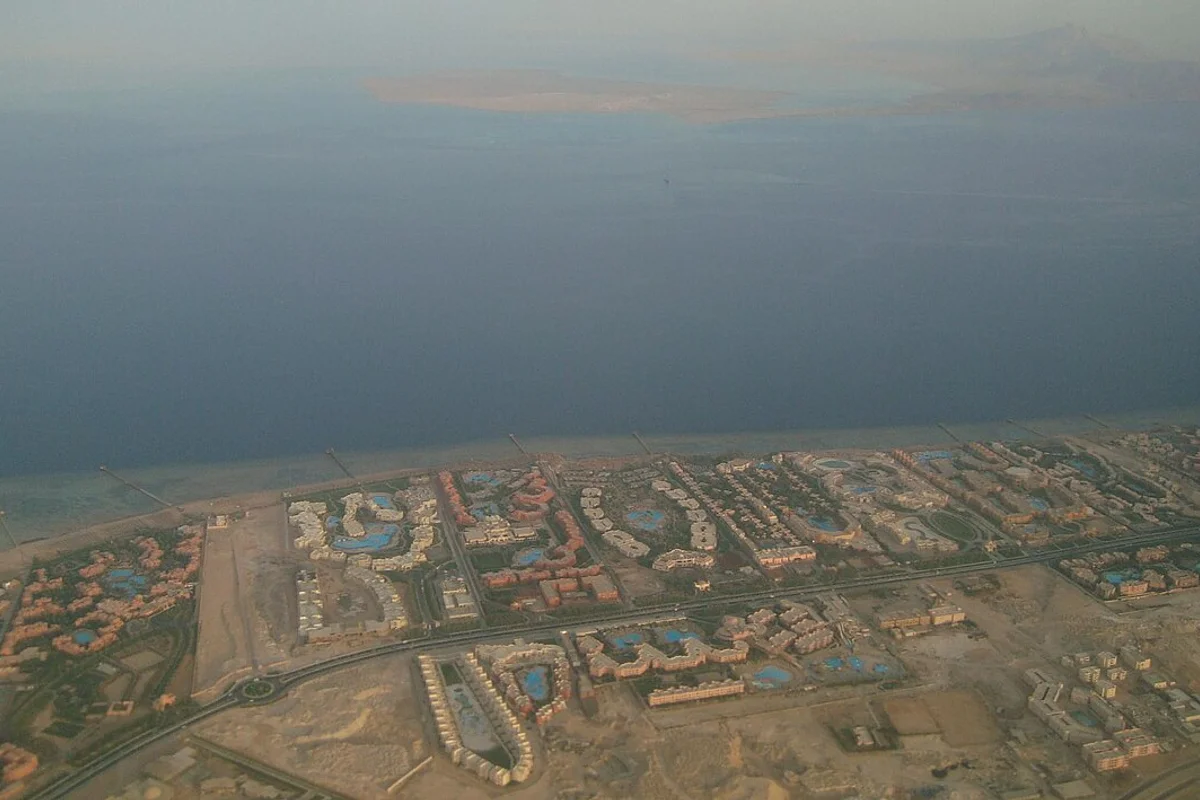
Expect the concept near established marinas with swift reef access. From Hurghada, floating decks gravitate toward Giftun and Orange Bay sandbars—try an Orange Bay snorkeling tour. In Sharm El Sheikh, look for platforms staging days around the Straits of Tiran—book classic Tiran Island snorkel trips that prioritize moorings over anchors.
Best Time / Conditions
Calm mornings are gold; winds tend to freshen after midday. April–May and September–November balance light breezes, 20–30 m visibility, and 26–28°C water. Summer can hit 29–30°C, wonderful for long swims but harsh under UV—seek shade. Winter brings cooler 22–24°C water and brisk northerlies; pack a thin shorty.

What to Expect
Days unfold in easy beats: safety brief, first fin‑dip over shallow patch reefs, unhurried deck lunch, then an optional second snorkel where the reef slopes deeper. House corals often sit at 1–3 m; the drop‑off might start around 5–8 m. Expect attentive guides, lifebuoys, and hot showers that make post‑swim sunsets linger.
Who This Is For
Water‑confident couples, friends, and families with older kids thrive here. Non‑swimmers aren’t left out; many crews provide vests, noodles, and guide‑towed lifesavers for “confidence snorkeling.” Photographers love shaded worktops between dives. Wellness‑leaning travelers will find mats and quiet corners to stretch or journal, with the hiss of water as metronome.

Booking & Logistics
Most departures leave from marinas with 20–60 minute transits to the reef, minimizing engine time. Pack light: swimsuits, long‑sleeve rash guard, hat, and a dry bag. Quality outfits include fins, masks, and towels, plus chef‑prepared lunches. Expect small groups and staggered water entries to keep coral stress and crowding low.
Sustainable Practices
Seek operators using fixed mooring buoys, solar support, and greywater capture. Choose reef‑safe sunscreen and perfect buoyancy—no fin kicks on coral. Briefs should stress “eyes up, fins up,” and no‑touch etiquette. For deeper tips, see our guide to coral‑safe diving practices, then snorkel with patience; you might spot rare Red Sea species.
FAQs
Floating beach clubs are designed for reef proximity without reef pressure. Expect professional crews, clear briefings, and careful site rotation. On good days visibility reaches 20–30 meters; if winds rise, the captain may switch to a leeward site. Your job is simple: hydrate, listen, and keep fins clear of coral.
Are floating beach clubs safe for the reef?
When done right, yes. The best platforms use permanent mooring buoys, avoid anchoring, limit group sizes, and stagger water entries. Guides watch for contact, provide float aids, and redirect if currents pick up. Your choices matter too: wear a rash guard, skip weights, and practice horizontal, controlled kicks above corals.
Do I need to be a strong swimmer?
No—comfortable is enough. Calm‑water entries, floatation vests, and guide‑towed rings make the first snorkel friendly. Shallow fringing reefs at 1–3 meters let you rest easily. If you’re anxious, start near the ladder, practice breathing, and follow the guide’s float path before venturing along the reef edge.
What should I pack for the day?
Bring a reef‑safe sunscreen, polarized sunglasses, a wide‑brim hat, rash guard, and a compact dry bag. Add any personal mask if you prefer your own fit, plus a microfiber towel and spare battery for photos. Winter visitors might want a 2–3 mm shorty for 22–24°C water sessions.
A day on a floating beach club is the Red Sea distilled: warm light, effortless access to living reefs, and unhurried hospitality that leaves only ripples behind. Come for the snorkeling; stay for the calm rhythm that lingers long after the tender hums you back to shore.


